

Conformal Coating Process Flow: Complete Guide to Process Control, Equipment Selection, and Reliable PCB Protection
The conformal coating process flow is one of the most important parts of electronics protection manufacturing.
A stable and well-designed coating process helps protect PCBs and electronic assemblies against moisture, dust, chemical contamination,
corrosion, salt spray, and long-term environmental stress. In industries such as automotive electronics, industrial control, power electronics,
consumer electronics, communication equipment, and medical electronics, the quality of the coating process directly affects product reliability,
service life, and overall manufacturing stability.
However, achieving a high-quality coating result is not just about applying material onto a board. A professional coating process requires
proper environmental control, board cleaning, material preparation, viscosity adjustment, suitable coating equipment, correct valve selection,
proper thickness control, efficient curing, and reliable inspection. If any one of these steps is unstable, it can lead to bubbles, poor adhesion,
uneven coverage, cracking, rework, or long-term failure in the field.
In this guide, we explain the full conformal coating process flow in detail. We also cover how to choose the right equipment
for different production needs, how to select a suitable coating valve and curing solution, and what advantages manufacturers should look for
when building a reliable conformal coating line.
What Is a Conformal Coating Process Flow?
A conformal coating process flow refers to the complete sequence of operations used to apply a thin protective coating over a printed circuit board
or electronic assembly. The coating follows the shape of the board and its components, forming a protective barrier without significantly affecting
electrical performance. A complete process typically includes workshop preparation, equipment setup, coating material preparation, surface cleaning,
coating application, thickness control, drying or curing, inspection, and packaging.
A standardized process flow is important because coating performance depends not only on the material, but also on the consistency of the whole production system.
The better the process is controlled, the easier it becomes to maintain stable coating quality, reduce operator dependence, and improve overall manufacturing efficiency.
Why Process Control Matters in Conformal Coating
In many factories, coating problems are caused not by the coating itself, but by unstable production conditions. For example, insufficient board cleaning may reduce adhesion,
improper viscosity may cause poor spray shape, excessive film thickness may lead to cracking, and uneven curing may affect long-term performance. These issues not only increase
rework and scrap, but also slow down the line and reduce customer confidence in product reliability.
A well-controlled conformal coating process helps manufacturers:
- improve product reliability
- reduce coating defects and rework
- maintain more stable coating thickness
- improve selective coating accuracy
- increase production consistency from batch to batch
- support higher efficiency in medium and high-volume manufacturing
Overview of the Complete Conformal Coating Process Flow
| Process Step | Main Objective | Key Control Points |
|---|---|---|
| Environment Preparation | Create stable coating conditions | Dust, humidity, temperature, ventilation |
| Equipment Preparation | Ensure the machine system runs correctly | Cleaning, nozzle condition, pressure, motion path, maintenance |
| Material Preparation | Prepare suitable coating liquid | Material type, mixing, filtering, storage, thinner ratio |
| Board Cleaning and Drying | Improve adhesion and coating reliability | Remove oil, dust, flux residue, moisture |
| Viscosity Adjustment | Match material to process requirements | Sprayability, flow stability, pattern consistency |
| Coating Application | Apply uniform and controlled coating layer | Machine type, valve type, speed, path, masking |
| Thickness and Layer Control | Balance protection and process safety | 20–50 μm per layer, total thickness control, multi-layer drying |
| Drying / Curing | Form a stable protective film | Time, temperature, air flow, curing uniformity |
| Inspection and Testing | Verify appearance and performance | Coverage, bubbles, cracks, adhesion, reliability tests |
| Packaging and Storage | Protect finished product quality | Dust prevention, careful handling, suitable storage environment |
1. Environment Preparation
Before coating begins, the workshop should be clean, organized, and properly ventilated. Dust and airborne contamination can settle on the board surface and reduce coating quality.
Humidity should be controlled within a reasonable range, generally below 60%, and temperature should remain stable enough to prevent unexpected changes in material flow or curing behavior.
A clean coating environment is especially important when working with thin, selective coating layers, because even a small amount of contamination can create visible defects or weak protection areas.
Good ventilation also improves safety by helping remove fumes generated during spraying or drying.
2. Equipment Preparation
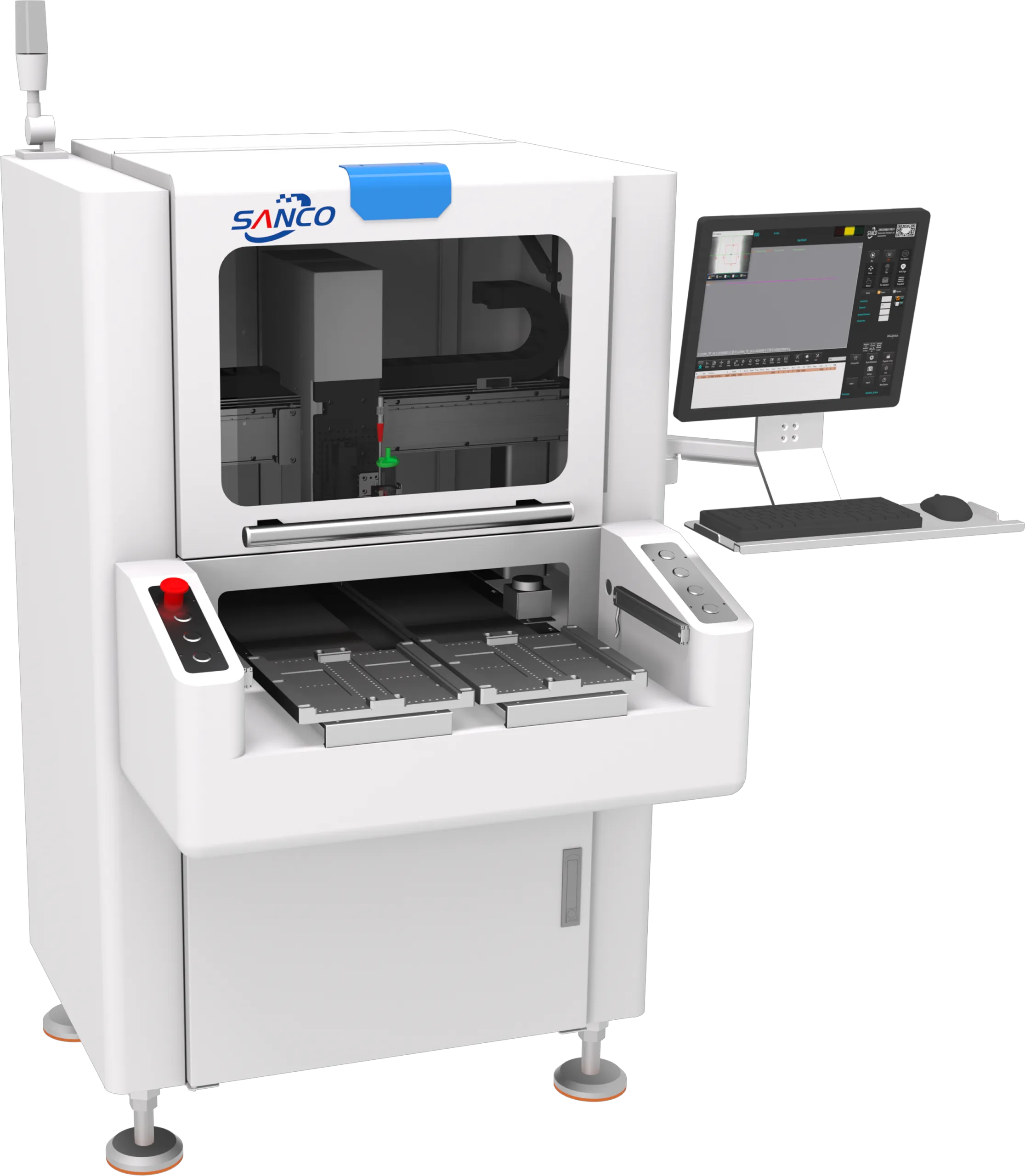
Choosing the correct equipment depends on board size, production volume, coating area, takt time, and process precision requirements.
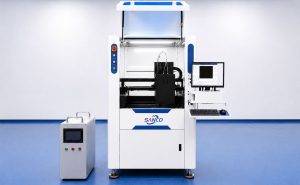
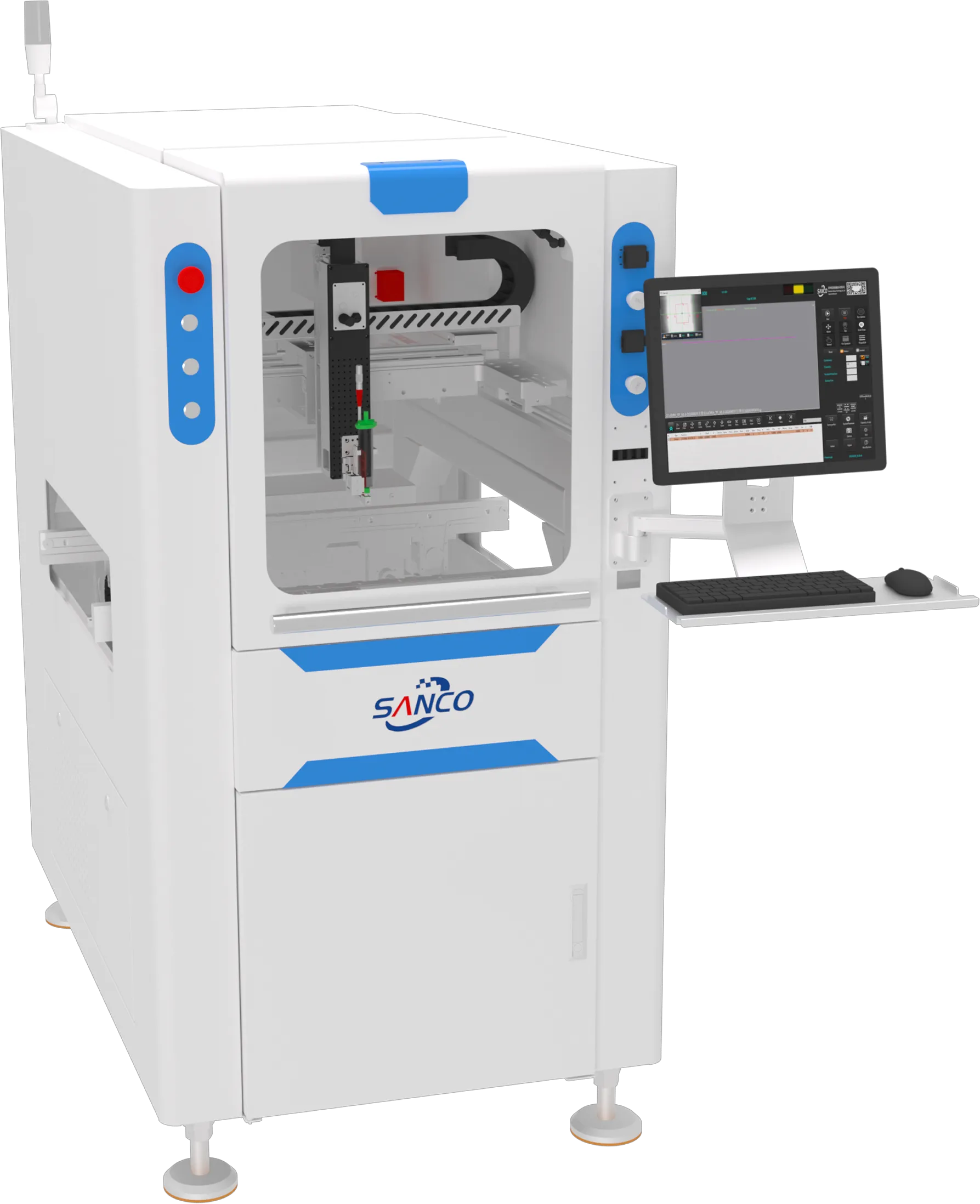
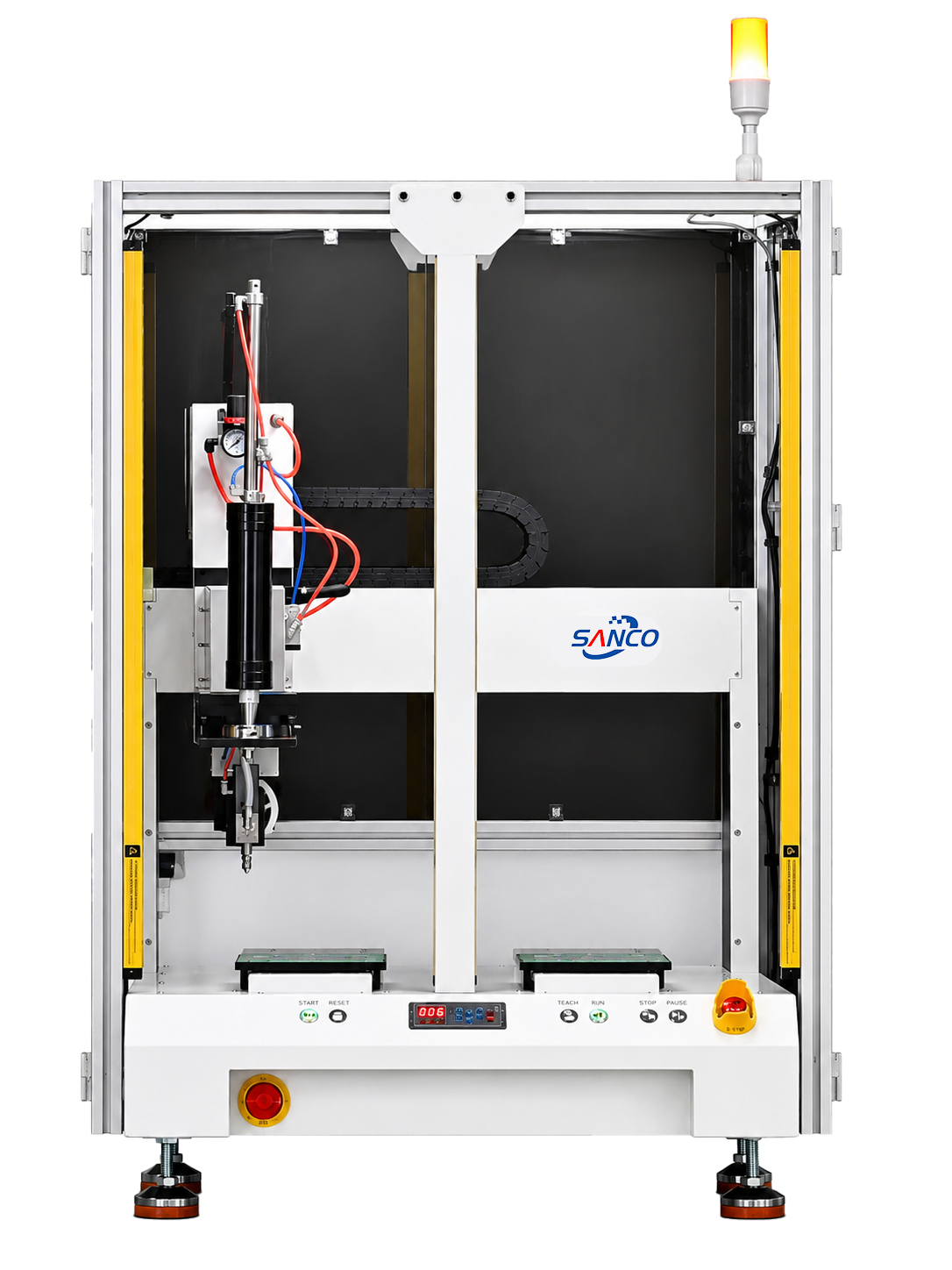
For manufacturers that need selective coating with reliable repeatability, a professional coating machine provides better motion control, more stable process settings,
and easier standardization than manual methods.
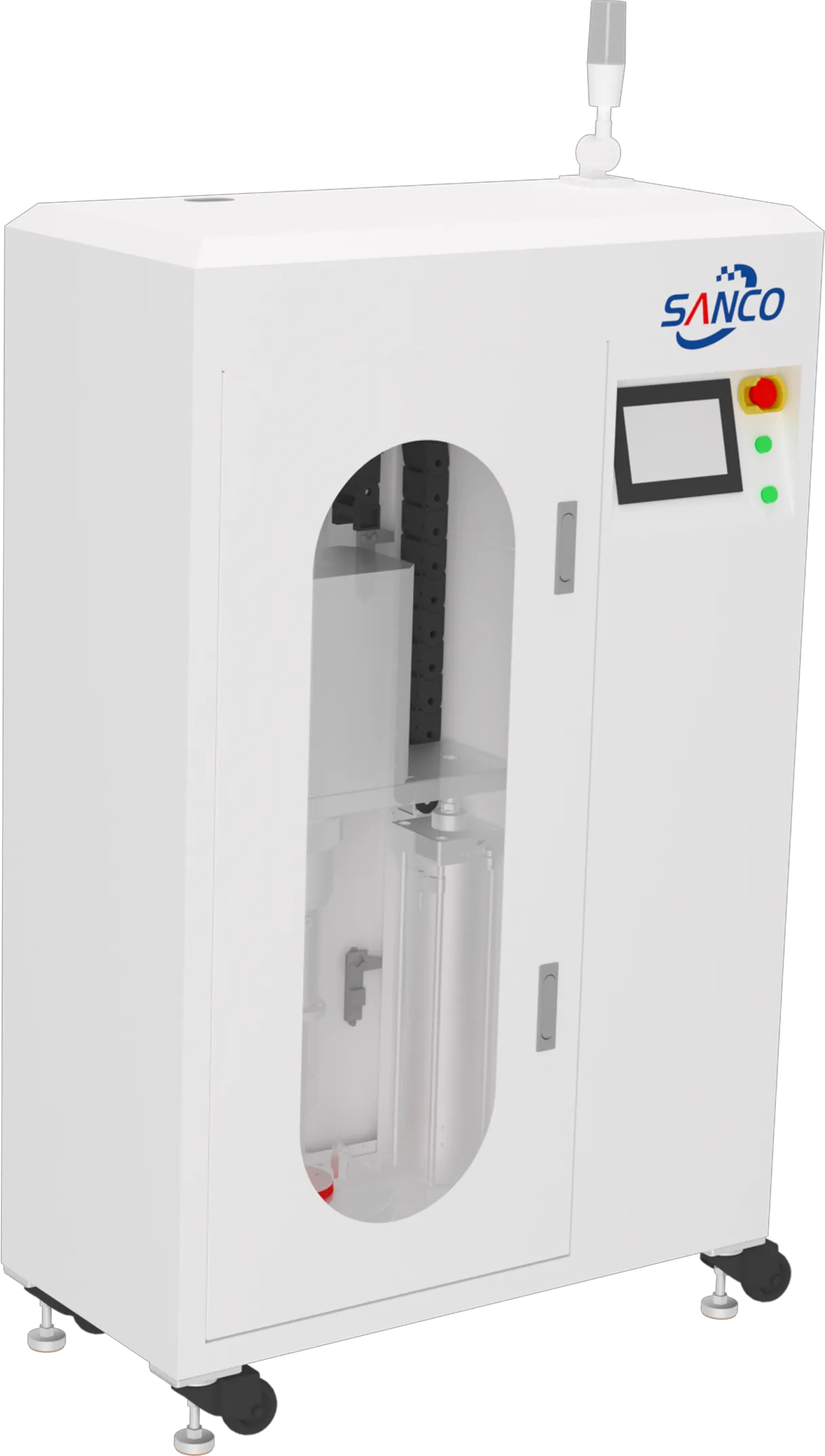
For example, a
three-axial coating machine
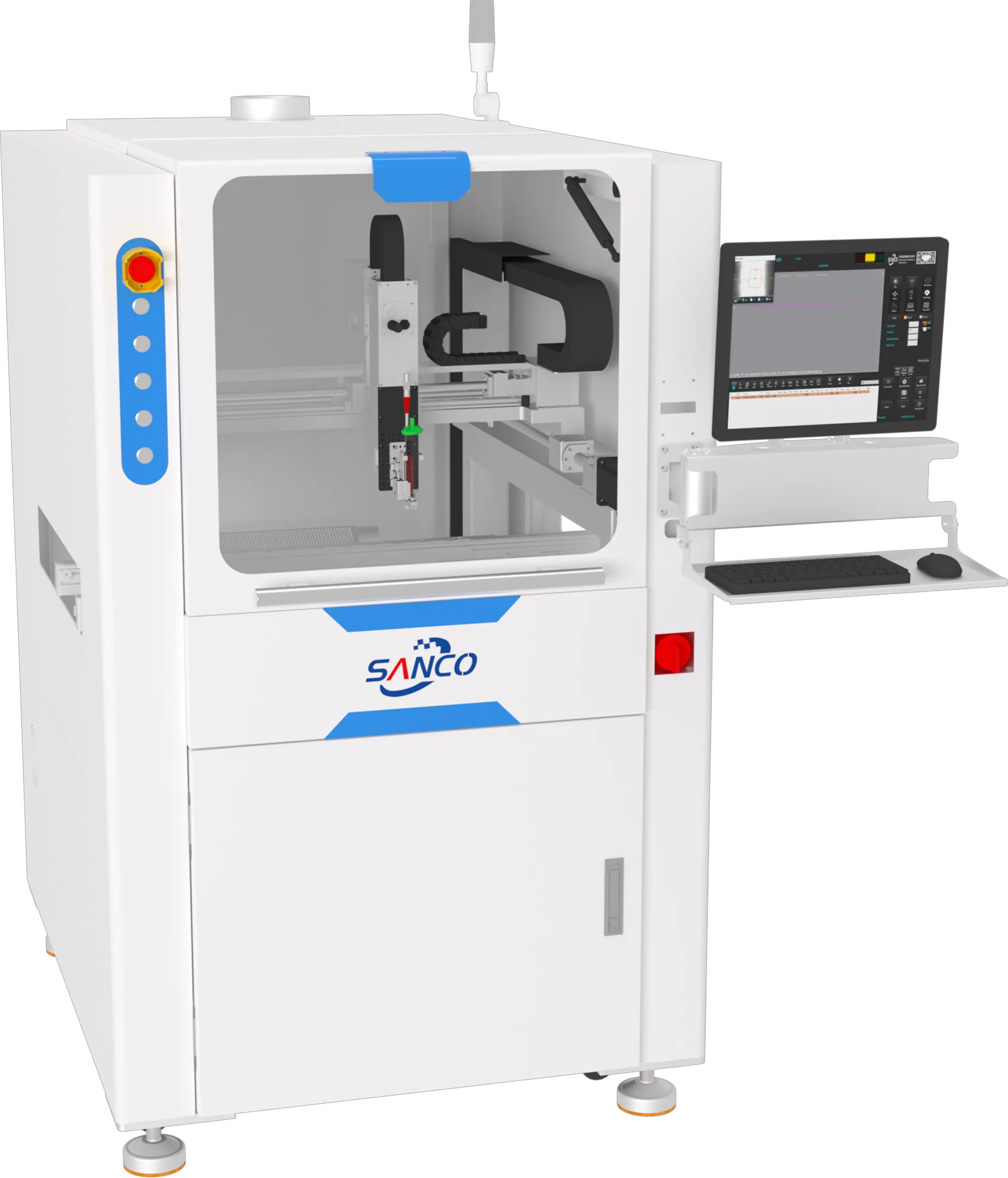
is often suitable for standard selective coating tasks with stable path control, while a
four-axial coating machine
is usually a better choice when boards have more complex geometry, taller components, or higher path flexibility requirements.
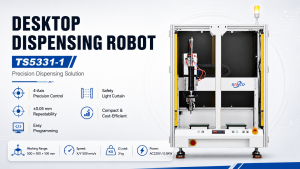
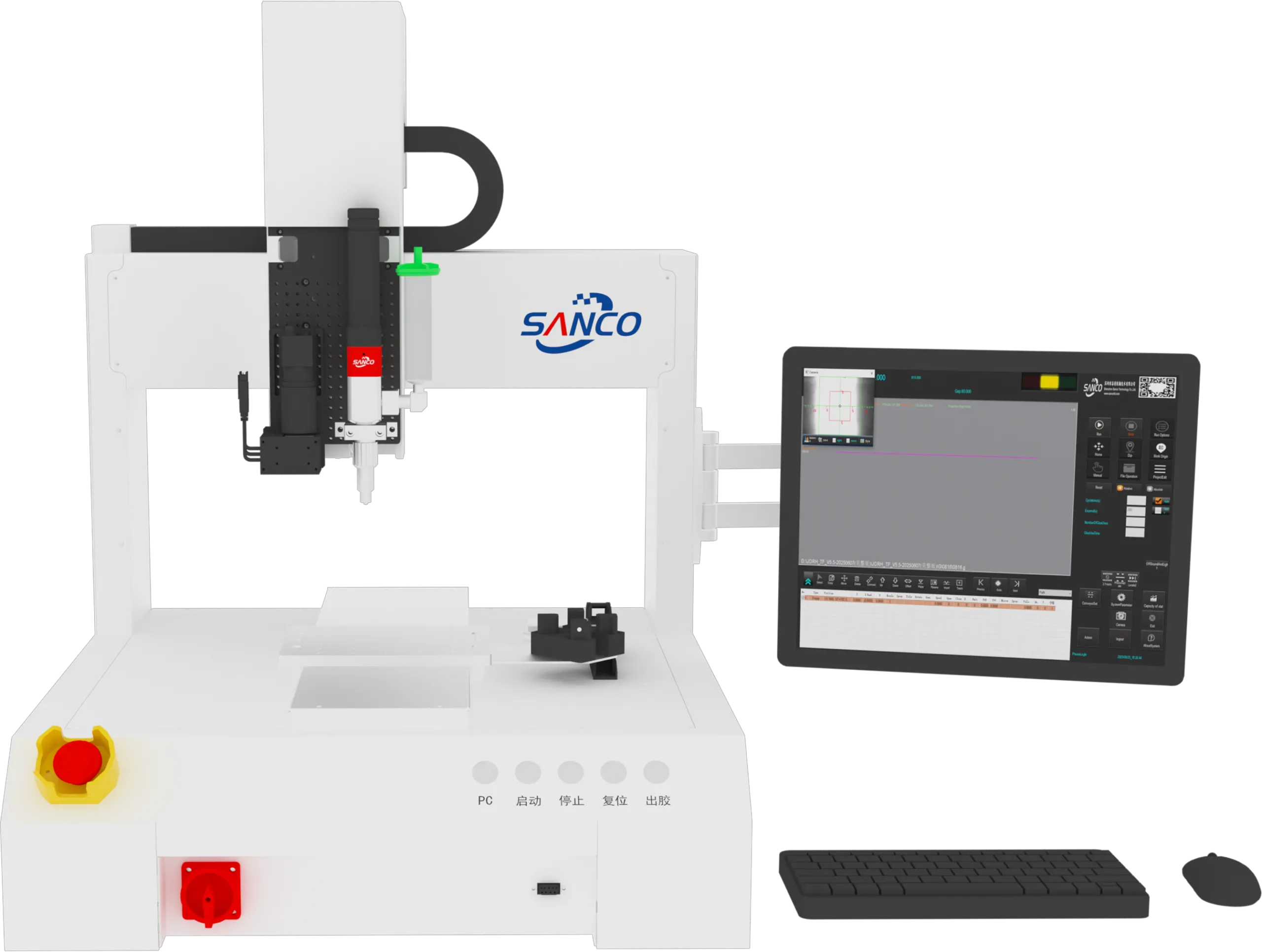
For smaller production batches, R&D work, or compact manufacturing spaces, a
desktop coating machine
can be a practical solution.
Before production starts, the equipment should be cleaned and checked carefully. Operators should verify the motion system, nozzle condition, pressure stability, valve response, fixture positioning,
and any board transport modules connected to the line. Stable machine condition is one of the foundations of stable coating quality.
3. Material Preparation and Surface Cleaning
Coating quality depends heavily on the condition of the board surface. Before applying the coating, the PCB or assembly should be cleaned to remove oil, dust, flux residue, fingerprints,
and other contaminants. If the surface is not clean, the coating may not bond properly, which can lead to delamination, weak coverage, or reduced protection in real operating conditions.
Drying is also important after cleaning. Moisture left on the board can interfere with adhesion and may create defects during curing. In higher-reliability applications, surface preparation is not just a routine step;
it is a key factor in long-term coating performance.
Material preparation should include checking coating type, mixing condition, storage status, and whether filtering is required before use. If the process also includes upstream fluid application, manufacturers may also evaluate
high-speed fluid delivery solutions such as a
high-speed dispenser
for related production stages where dispensing and coating need to work together in one broader manufacturing line.
4. Viscosity Adjustment
Different conformal coating materials have different viscosity characteristics. To achieve a stable coating pattern and appropriate film thickness, the material often needs to be adjusted to match the selected valve and process method.
If viscosity is too high, atomization or flow may become unstable and result in uneven coating or material buildup. If viscosity is too low, the coating may run too easily, causing poor edge control or contamination in keep-out areas.
Proper viscosity control improves spray quality, repeatability, edge definition, and thickness consistency. This is especially important for automated lines where stable output over long production runs is required.
5. Coating Application Methods
The most common coating methods are spray coating, brush coating, and dip coating. The best method depends on product shape, coating area, production volume, and required consistency.
| Method | Typical Use | Advantages | Considerations |
|---|---|---|---|
| Spray Coating | Large areas, selective paths, medium and high production volume | Fast, scalable, suitable for automation | Requires stable valve and process tuning |
| Brush Coating | Small batches, local touch-up, manual repair | Flexible and simple | Operator-dependent, lower consistency |
| Dip Coating | Regular-shaped products, broad coating coverage | Efficient for some batch processes | Selective control can be more difficult |
In modern electronics manufacturing, automated spray-based selective coating is often preferred because it gives manufacturers better control over path accuracy, coating width, film formation, and takt time.
It also makes it easier to standardize production across multiple operators and multiple shifts.
6. How to Choose the Right Coating Valve
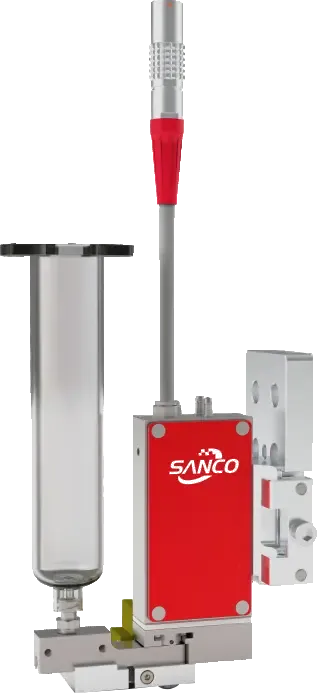
Valve selection is one of the most important decisions in a conformal coating process. The right valve influences coating width, spray shape, transfer efficiency, edge quality, and material compatibility.
Instead of choosing only by habit, manufacturers should select the valve based on coating pattern, substrate geometry, material behavior, target thickness, and required line speed.
| Production Need | Recommended Direction | Why It Helps |
|---|---|---|
| Wide and even coating path | Film or sector spray type | Improves broad-area consistency and process efficiency |
| Focused path or smaller area coverage | Conical spray type | Provides more concentrated coating output |
| Higher pressure or stronger material delivery requirement | High-pressure valve | Supports more forceful and stable material transfer |
| Stable controlled fluid output | Diaphragm or precision valve type | Helps improve repeatability and cleaner response |
For example, when the process requires a broad and even coating pattern, a
BF-028 film spray valve
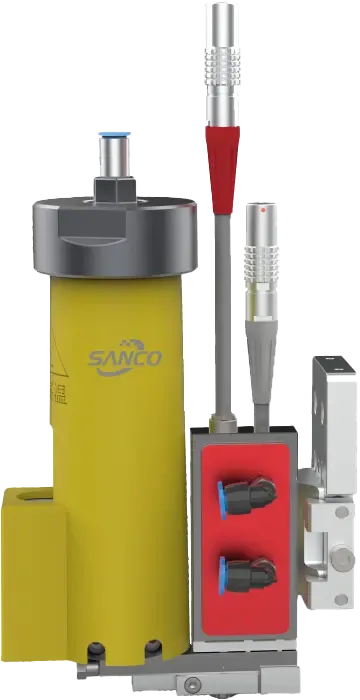
can be a practical choice for wide-path coating tasks. When manufacturers want a controlled fan-shaped spray pattern for selective area coating, a
SF-073 sector spray valve
may be more suitable. If the process needs a more focused and concentrated spray path, an
LF-001 conical spray valve
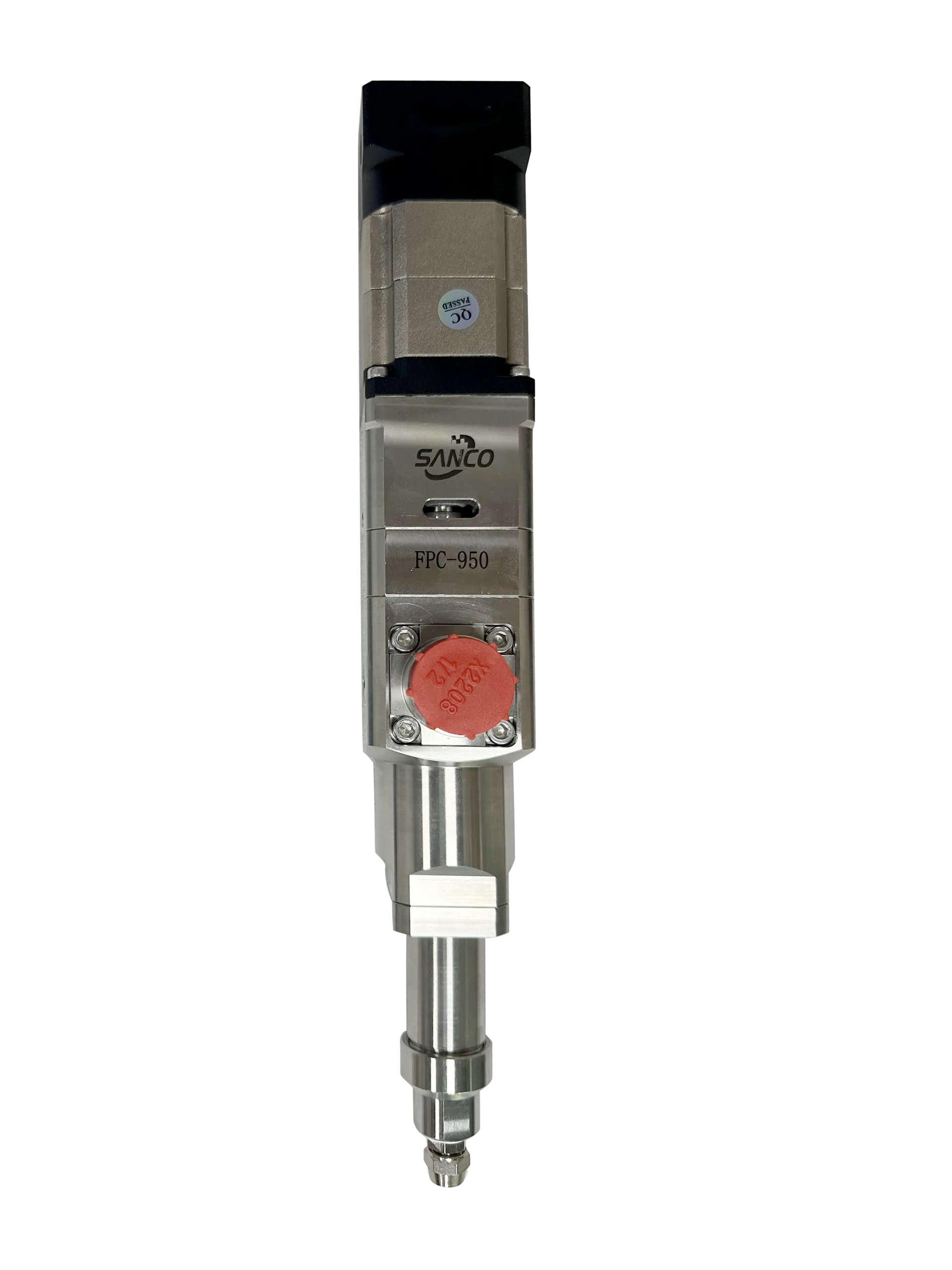
can help support narrower coverage areas. For applications that require stronger material delivery or more forceful output, a
G-300HP high-pressure valve
may be a better fit.
The best valve is not simply the most powerful one or the widest one. The best valve is the one that matches the coating material, the board structure,
the path design, and the required production rhythm. In many cases, process testing is the most practical way to confirm the final selection.
7. Thickness and Layer Control
Coating thickness must be controlled carefully. A coating layer that is too thin may not provide enough protection against humidity, contamination, and corrosion.
A coating that is too thick may crack, peel, cure unevenly, or create excessive stress at component edges.
In many applications, each layer is commonly controlled at 20–50 μm, and the total thickness is typically kept below 150 μm.
Many manufacturers choose to apply 2–3 layers with appropriate drying intervals between layers. This approach supports more even film build-up
and helps improve coating integrity without excessive thickness risk.
| Control Item | Typical Recommendation | Why It Matters |
|---|---|---|
| Single Layer Thickness | 20–50 μm | Supports balanced protection and coating stability |
| Total Thickness | Below 150 μm | Reduces cracking, poor curing, and peeling risk |
| Layer Count | 2–3 layers | Improves coverage while controlling film build-up |
8. Drying and Curing: How to Choose the Right Solution
Drying and curing are essential for transforming a wet coating layer into a stable protective film. The right curing method depends on the coating chemistry, required line speed, factory layout, and production target.
Some applications can use natural drying, but in many production environments, a controlled curing system is preferred to improve efficiency and reduce process variation.
When selecting a curing solution, manufacturers should consider material compatibility, throughput requirements, heat sensitivity of the assemblies, and whether the process needs inline integration.
For example, an
IR curing oven
is often considered when fast thermal assistance is needed, while a
UV curing oven
may be appropriate for coating materials designed for UV-based curing workflows. A
hot wind curing oven
can also be a practical choice when stable heated airflow is required for more even drying and curing behavior.
The correct curing system should not only cure the coating, but also match the upstream coating takt time and downstream handling rhythm. This is one reason why manufacturers often prefer integrated solutions rather than isolated equipment decisions.
9. Inspection and Quality Verification
Inspection should be performed after coating and curing to confirm that the process achieved the required quality level. Appearance inspection checks whether the coated surface is smooth, uniform, and free from bubbles, cracks, fish-eyes,
sagging, contamination, or missed areas. Visual defects should be identified early so rework decisions can be made before products move further down the line.
In addition to appearance, performance verification may include humidity resistance, salt spray resistance, insulation-related evaluation, and other reliability checks depending on the product application.
The goal is not only to make the board look coated, but to ensure that the protective layer performs consistently in real working environments.
10. Packaging and Storage
Once the product passes inspection, it should be handled carefully and packaged in a way that protects the surface from dust, scratches, moisture exposure, and transport damage.
Even high-quality coating can be compromised if boards are stacked, moved, or stored improperly after production.
Clean handling, reasonable protective packaging, and stable storage conditions all help preserve the value created by the coating process.
How to Choose the Right Conformal Coating Equipment for Your Production
Choosing the right coating equipment is not only a question of machine size. It is a decision that should be based on production target, board complexity, coating precision, future line expansion, and the level of automation required.
A machine that works well for small batch production may not be suitable for a growing line, and a machine selected only by initial budget may create higher long-term costs through lower consistency and more manual intervention.
| Production Scenario | Suggested Equipment Direction | Why It Fits |
|---|---|---|
| Small batches, sampling, R&D, limited floor space | Desktop-level selective coating equipment | Compact, easier to deploy, suitable for flexible process validation |
| Standard selective coating for routine production | Three-axis machine configuration | Provides stable motion path and practical production control |
| More complex boards, taller components, advanced path requirements | Four-axis machine configuration | Improves flexibility for complex geometry and selective access |
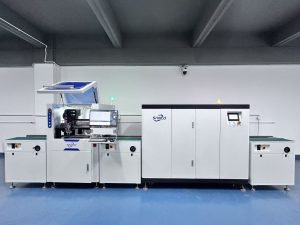
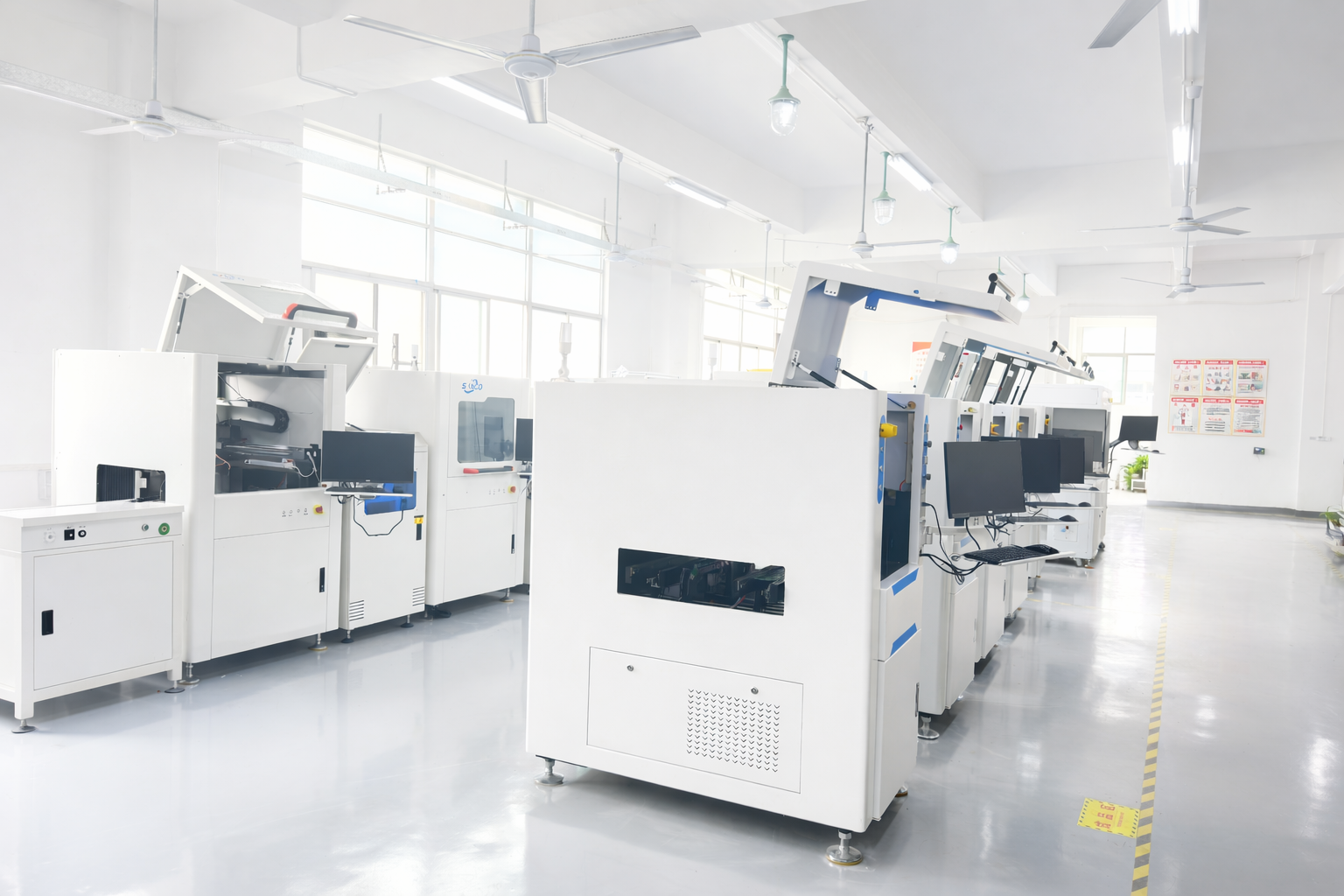
| Integrated line planning with curing and board transport | Coating + curing + conveyor-based line layout | Supports smoother workflow and easier process balancing |
When evaluating equipment, buyers should focus on more than just the initial machine configuration. It is better to consider whether the system can support future expansion, whether the valve options match the target materials,
whether curing can be integrated efficiently, and whether line peripherals can improve stability. These practical questions usually have a greater impact on long-term value than machine price alone.
What Advantages Should Manufacturers Look For in a Coating Solution?
A strong coating solution should not only apply material well, but also make the whole production process easier to control. In real manufacturing, customers often need more than a single machine.
They need a process-oriented solution that can support product reliability, speed, repeatability, and future scaling.
Key advantages to look for include:
- Flexible machine options for different production volumes and board structures
- Multiple valve choices to match coating width, spray shape, and material behavior
- Curing compatibility so the process can be completed efficiently and consistently
- Line integration capability for conveyor, transfer, buffering, and downstream production flow
- Process stability to reduce manual variation and improve repeatability
- Solution-level thinking rather than isolated equipment recommendations
This is where an integrated supplier approach becomes valuable. When coating machines, coating valves, curing ovens, and peripheral transport modules can be considered together, it becomes easier to build a more complete and reliable manufacturing process.
For example, when line rhythm, coating speed, and curing capacity are aligned from the beginning, the factory can reduce bottlenecks and improve overall throughput consistency.
Beyond Coating: Building a More Complete Fluid Application Line
In many electronics factories, conformal coating is only one part of a broader fluid process. Some product lines may also involve dispensing, bonding, or potting before or after coating.
In these cases, it is often helpful to work with a supplier that can support multiple process modules and make the transition between them smoother.
For production lines that also include encapsulation or resin-filling processes, an
inline potting machine
can support more continuous production planning. For broader line handling and workflow support, integrating suitable transport and buffering sections can help reduce manual handling and improve connection between stations.
Why an Integrated Process Approach Creates More Value
| Area | Standalone Thinking | Integrated Solution Thinking |
|---|---|---|
| اختيار المعدات | Choose machine only by basic configuration | Match machine, valve, curing, and line rhythm together |
| Process Stability | Rely more on manual adjustment | Build more repeatable and standardized production |
| Future Expansion | Upgrade later with more redesign | Plan from the start for scalable line development |
| Overall Value | Focus mainly on initial purchase | Focus on long-term efficiency, consistency, and reliability |
In real production, the best result usually comes from balancing product protection, process speed, and line stability together. This is why many manufacturers prefer to select equipment based on the complete process flow
rather than making each decision independently.
Conclusion
A reliable conformal coating process flow is essential for stable PCB protection and long-term product reliability. From workshop preparation and board cleaning to machine selection, valve matching, thickness control, curing, and inspection,
each stage affects the final quality of the coating layer. A strong process does not depend on luck or repeated manual correction. It depends on good preparation, correct equipment selection, and practical control over the whole production chain.
For manufacturers planning a more professional and scalable coating operation, the key is not only to select a machine, but to build a process-oriented solution. When coating equipment, valves, curing systems, and related production modules are matched properly,
the result is better consistency, lower rework, stronger protection performance, and higher manufacturing value over time.
Looking for a More Reliable Conformal Coating Solution?
SANCO provides coating machines, coating valves, curing ovens, dispensing solutions, potting systems, and related line modules for electronics manufacturing applications.
Whether you need compact selective coating, more flexible path capability, a suitable spray valve, or a more complete production solution, the right combination of equipment can help improve coating quality and overall manufacturing stability.
Explore our solutions for
coating machines,
coating valves, and
curing systems
to build a more efficient and reliable production process.
الأسئلة الشائعة
What is the purpose of conformal coating?
Conformal coating protects PCBs and electronic assemblies from moisture, dust, chemical contamination, corrosion, and harsh environmental conditions.
It helps improve long-term reliability and reduce the risk of electrical or environmental failure.
How thick should conformal coating be?
In many applications, each layer is commonly controlled at 20–50 μm, with the total thickness generally kept below 150 μm.
The exact value depends on material type, product design, and application requirements.
How do I choose between different coating machines?
The choice depends on production volume, board complexity, available space, selective coating requirements, and whether future line expansion is planned.
Desktop systems are often suitable for smaller batches, while larger multi-axis systems are typically more suitable for routine or higher-volume selective coating.
How do I choose the right coating valve?
Valve choice should be based on the coating pattern, material behavior, target width, and process speed.
Broad-area coating, focused paths, high-pressure delivery, and precision output may all require different valve directions.
Why is curing selection important?
The curing system affects production speed, coating stability, and final film performance. The best curing solution should match the coating chemistry, throughput target, and line integration plan.