

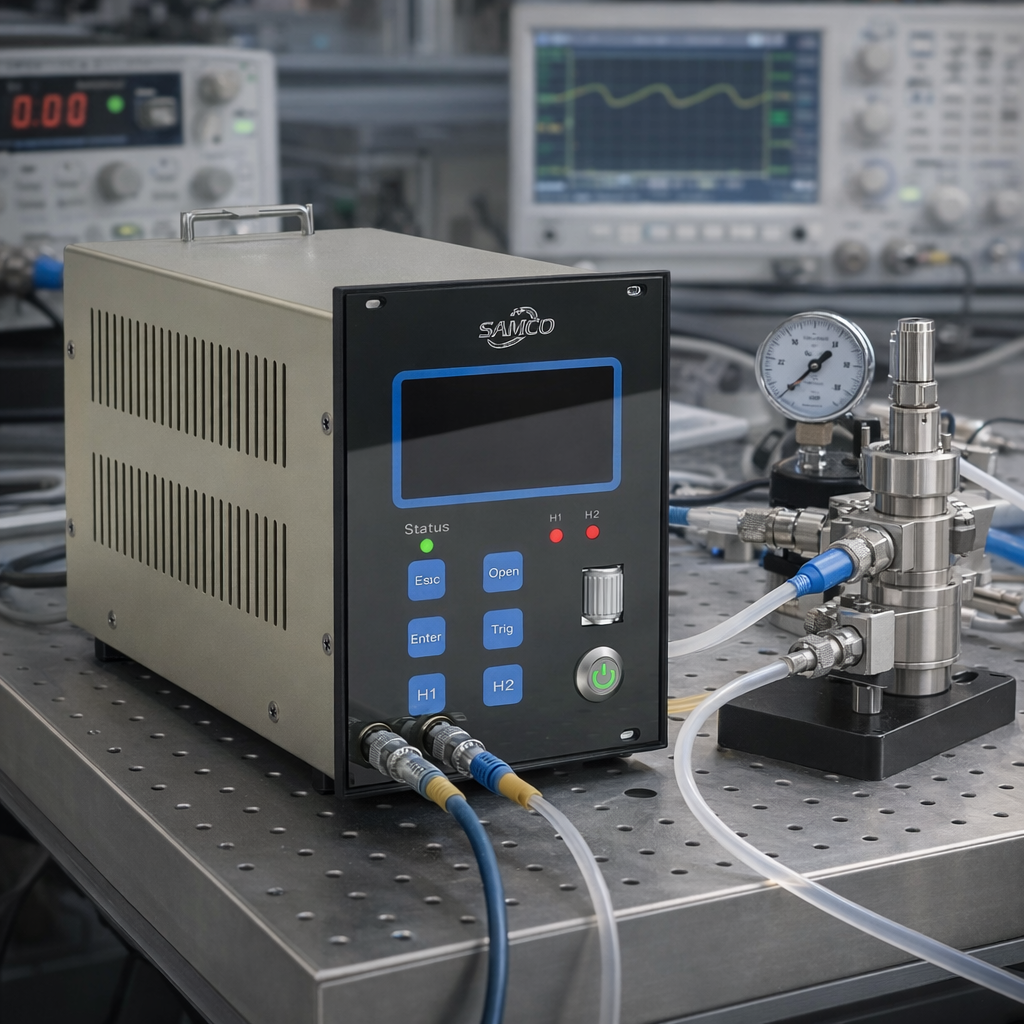
In the intricate world of electronics manufacturing, precision and reliability are paramount. As electronic devices become increasingly compact and sophisticated, the demands on Printed Circuit Board Assembly (PCBA) processes intensify. Among the myriad of critical steps in PCBA, dispensing plays a foundational role, often determining the structural integrity, electrical performance, and long-term reliability of the final product. Adhesives, encapsulants, and other fluid materials are meticulously applied at various stages, serving functions ranging from component fixation to environmental protection. Before critical processes like wave soldering and reflow soldering, precise adhesive application is essential to secure components, prevent solder bridging, and manage thermal stress. The evolution of PCBA technology has, therefore, necessitated equally advanced dispensing solutions.
Traditional dispensing methods, while effective for certain applications, often struggle to meet the stringent requirements of modern high-density and fine-pitch PCBs. This is where piezoelectric valve dispensing technology emerges as a transformative solution. Leveraging the rapid and highly controllable actuation of piezoelectric materials, these valves offer unparalleled precision, speed, and repeatability. Their ability to dispense minute, consistent dots of low to medium viscosity adhesives makes them ideally suited for the most demanding PCBA applications, ensuring optimal material placement and superior product quality. This article delves into the intricacies of PCBA piezoelectric valve dispensing, exploring its operational principles, technical requirements, typical applications, and the profound impact it has on the efficiency and reliability of PCB assembly processes.
PCBA Dispensing Process Overview
The dispensing process in PCB assembly is a critical step that involves the precise application of various fluid materials onto the printed circuit board. These materials can include adhesives, solder paste, encapsulants, underfills, and thermal interface materials, each serving a specific purpose in the assembly and protection of electronic components. The primary objective of dispensing is to ensure that these materials are applied accurately, consistently, and in the correct volume to achieve optimal performance and reliability of the electronic assembly.
Dispensing typically occurs at several key stages before and after soldering processes. For instance, adhesives are often dispensed before wave soldering to secure surface-mount devices (SMDs) to the PCB, preventing them from being dislodged during the soldering process. Similarly, underfill materials are applied to flip-chip and BGA components after reflow soldering to enhance mechanical coupling, improve thermal cycling reliability, and protect solder joints from stress. The precise placement and volume of these dispensed materials are crucial; insufficient material can lead to weak bonds or inadequate protection, while excessive material can cause short circuits, contamination, or interfere with subsequent assembly steps.
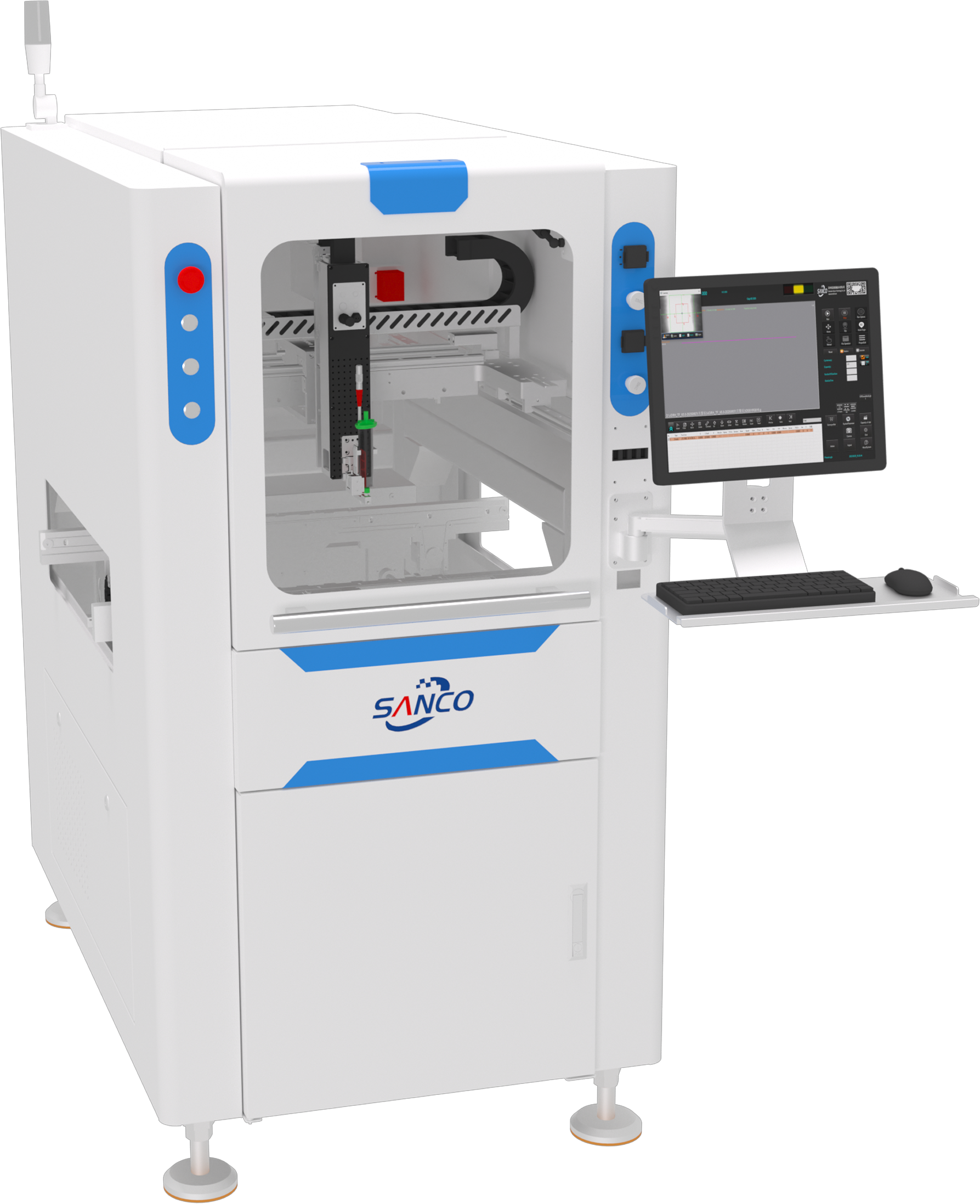
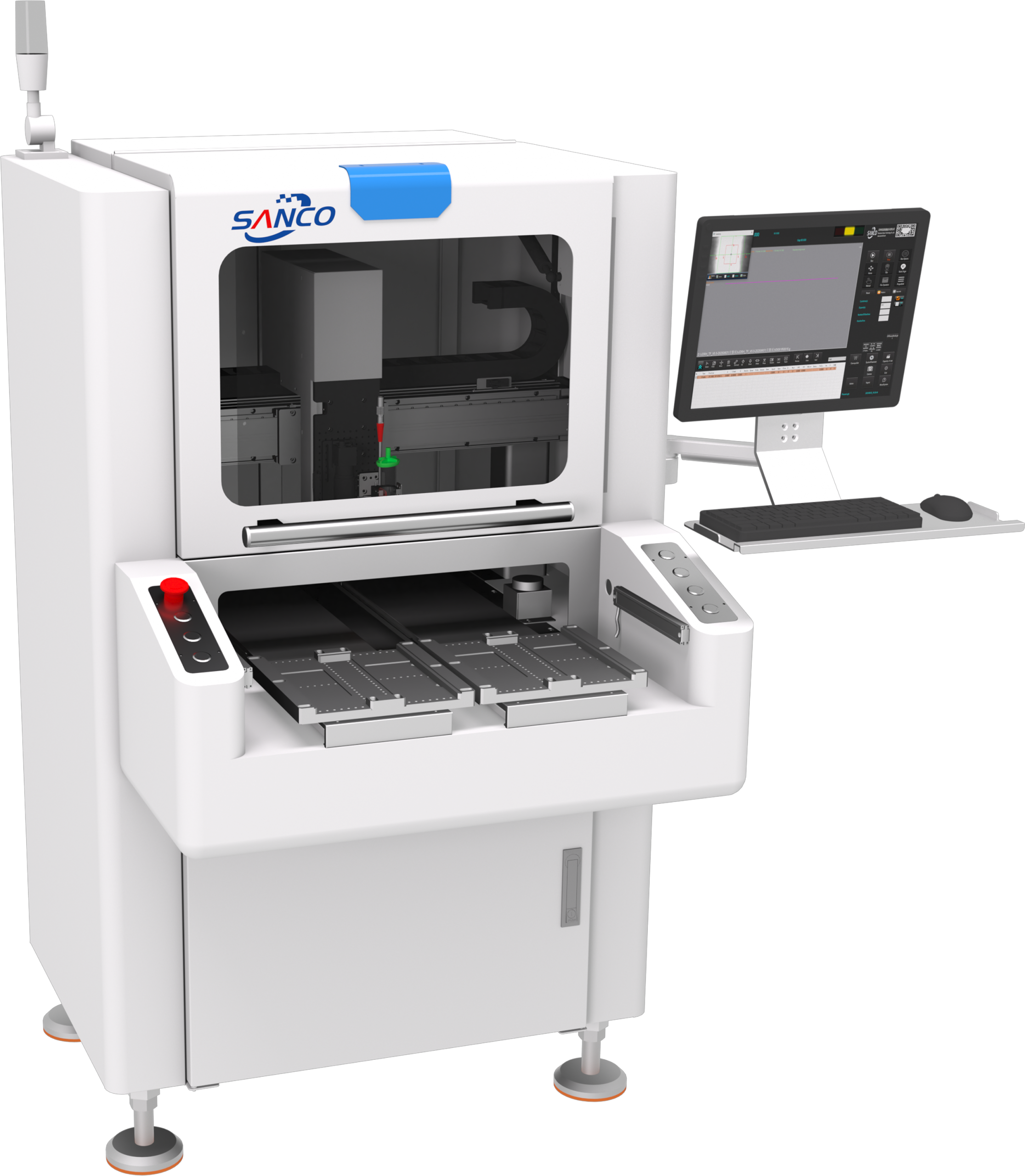
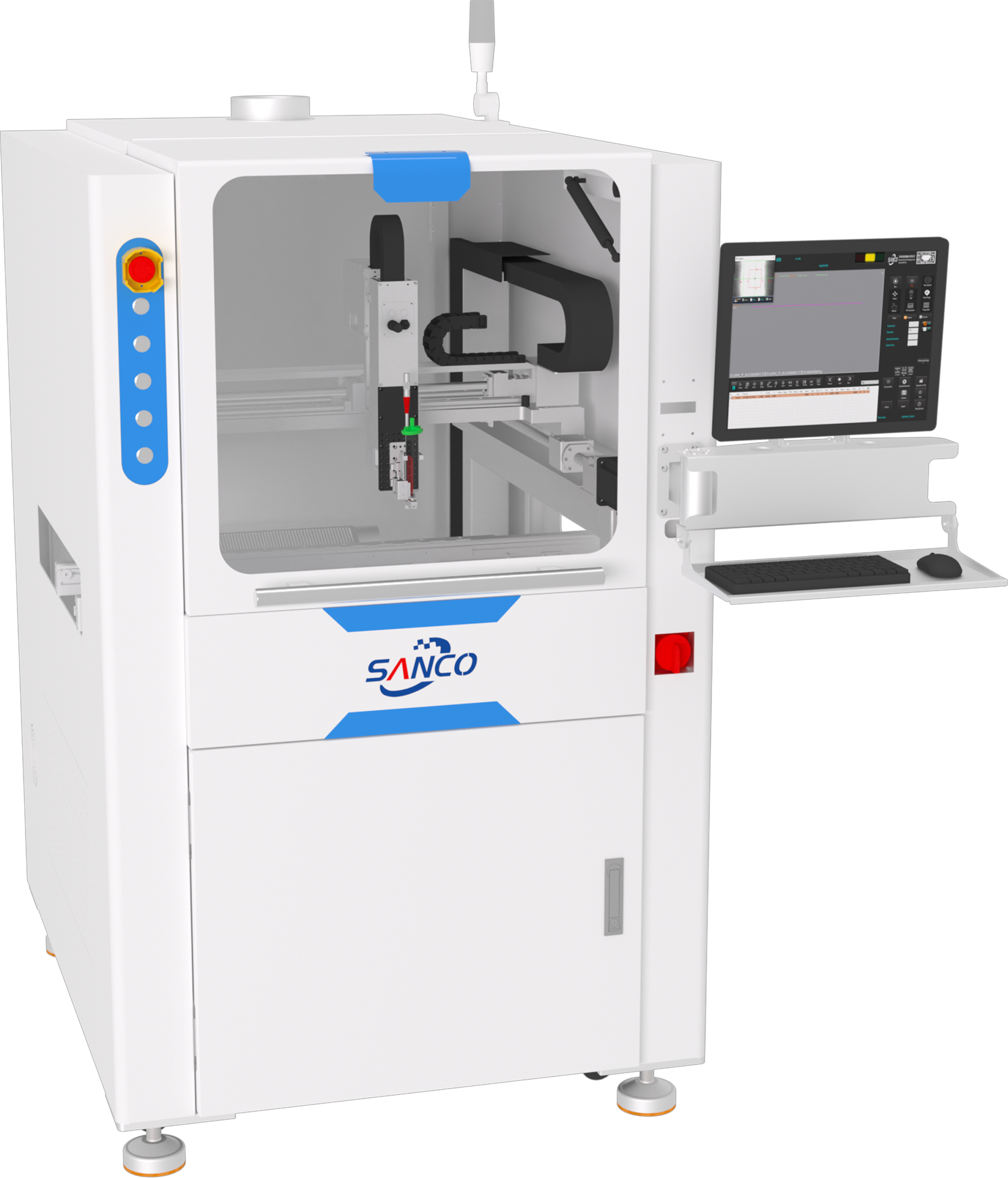
To meet the escalating demands for miniaturization, higher component density, and increased throughput in electronics manufacturing, automated dispensing systems have become indispensable. These systems offer significant advantages over manual dispensing, including superior accuracy, repeatability, and speed. Modern automated dispensers integrate advanced motion control, vision systems for precise alignment, and sophisticated software for program control and process monitoring. This automation not only enhances the quality and consistency of dispensing but also significantly boosts production efficiency and reduces labor costs. The continuous innovation in automated dispensing technology, particularly with the advent of piezoelectric valves, is pivotal in enabling the production of next-generation electronic devices. [1]
Why Use Piezoelectric Valve Dispensing in PCBA?
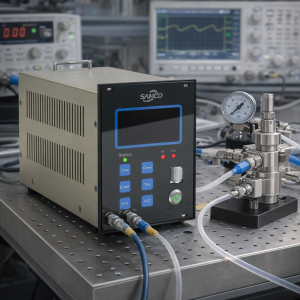
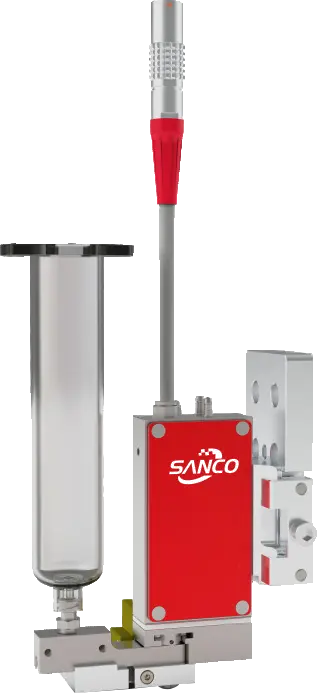
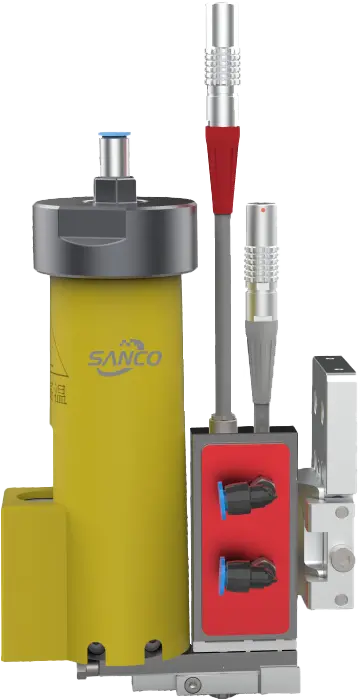
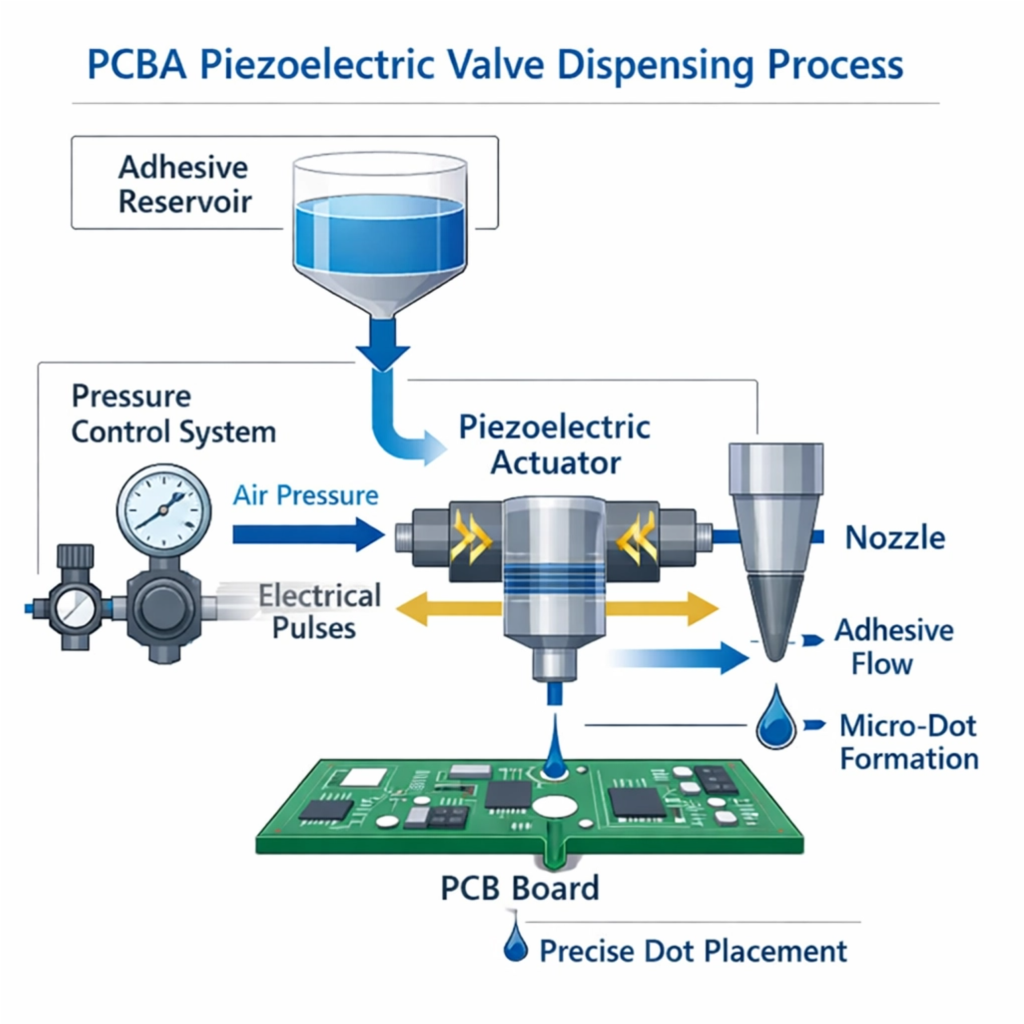
Piezoelectric valve dispensing represents a significant leap forward in fluid application technology for PCBA, offering distinct advantages over traditional pneumatic or mechanical dispensing methods. The core of this technology lies in the use of piezoelectric actuators, which convert electrical energy into mechanical motion with extreme speed and precision. This allows for rapid and highly controlled opening and closing of the valve, enabling the ejection of fluid droplets with remarkable accuracy.
One of the most compelling benefits of piezoelectric valve dispensing is its high-frequency dispensing capability. These valves can operate at frequencies ranging from 500 Hz to 1500 Hz continuously, with some advanced systems achieving burst frequencies of up to 2000 Hz [2]. This rapid actuation allows for extremely fast dispensing cycles, significantly increasing throughput in high-volume production environments. The ability to dispense individual micro-dots at such high speeds makes it ideal for applications requiring rapid and continuous material deposition.
Furthermore, piezoelectric valves offer precise micro-dot control. Unlike pneumatic systems where dispensing volume is often influenced by air pressure fluctuations, piezoelectric valves achieve electronic volume control. The duration and intensity of the electrical pulse applied to the piezoelectric actuator directly determine the size and consistency of each dispensed dot. This fine-tuned control allows for the creation of exceptionally small and uniform dots, which is critical for fine-pitch components and high-density PCBs where space is at a premium. The consistency of these micro-dots ensures uniform bonding, encapsulation, or thermal transfer, leading to enhanced product reliability.
Piezoelectric valve dispensing is also particularly suitable for low to medium viscosity adhesives. The rapid, non-contact jetting action of these valves minimizes issues commonly associated with contact dispensing methods, such as stringing and splashing. Stringing, where a thin filament of adhesive trails from the nozzle, can lead to contamination and short circuits. Splashing, where adhesive disperses uncontrollably, can also compromise adjacent components. By precisely ejecting discrete droplets, piezoelectric valves virtually eliminate these problems, ensuring clean and accurate material placement. This clean operation not only improves product quality but also reduces material waste and minimizes the need for post-dispensing cleanup, contributing to a more efficient and cost-effective manufacturing process.
In summary, the inherent characteristics of piezoelectric valve technology—high-frequency operation, precise micro-dot control, and suitability for a wide range of fluid viscosities with reduced stringing and splashing—make it an indispensable tool for modern PCBA. It addresses the critical need for speed, accuracy, and reliability in the assembly of increasingly complex electronic devices, ultimately contributing to higher production yields and superior product performance.
Key Technical Requirements for PCB Dispensing
Achieving optimal results in PCB dispensing, especially with advanced technologies like piezoelectric valves, hinges on meticulously controlling several key technical parameters. These parameters directly influence the quality, consistency, and reliability of the dispensed material, which in turn affects the overall performance and longevity of the electronic assembly. Understanding and precisely managing these requirements are crucial for successful PCBA manufacturing.
Dispensing Volume Control
Dispensing volume control is perhaps the most critical aspect of precision dispensing. The amount of material dispensed directly impacts bond strength, encapsulation effectiveness, and thermal management. In piezoelectric valve systems, the dispensing volume is primarily controlled by the pulse width and frequency of the electrical signal applied to the piezoelectric actuator. A longer pulse width or higher frequency generally results in a larger dispensed volume. However, this relationship is not always linear and can be significantly influenced by external factors.
The relationship between dispensing time and volume is fundamental. For a given nozzle size and material, a longer open time of the valve will allow more material to flow. However, maintaining consistent volume across varying conditions is challenging. The influence of ambient temperature and adhesive properties plays a crucial role. Temperature changes can alter the viscosity of the adhesive; a colder adhesive will be thicker and flow slower, while a warmer adhesive will be thinner and flow faster. This necessitates precise temperature control of both the adhesive material and the dispensing environment to ensure consistent viscosity and, consequently, consistent dispensed volume. Furthermore, the inherent rheological properties of the adhesive, such as thixotropy, can affect its flow behavior under shear stress, requiring careful calibration and adjustment of dispensing parameters.
Dispensing Pressure Settings
Dispensing pressure settings are vital for ensuring a continuous and stable supply of adhesive to the dispensing valve. This pressure, typically applied to the adhesive reservoir or syringe, helps to push the material through the fluid path to the nozzle. However, striking the right balance is essential, as both excessive and insufficient pressure can lead to significant dispensing defects.
The risks of excessive or insufficient pressure are considerable. If the pressure is too low, the adhesive may not flow consistently, leading to incomplete dots, skips, or inconsistent volumes. This can result in weak bonds or inadequate coverage. Conversely, if the pressure is too high, it can cause material overflow, splashing, or stringing, leading to contamination of adjacent components, short circuits, and increased material waste. High pressure can also accelerate wear on dispensing components. Moreover, how temperature affects adhesive flow is closely linked to pressure. As mentioned, temperature influences viscosity. If the adhesive becomes more viscous due to lower temperatures, higher pressure might be needed to maintain flow, but this must be carefully balanced to avoid the risks associated with excessive pressure once the adhesive warms up or if its viscosity changes during the process. Therefore, a stable temperature environment and precise pressure regulation are interdependent for optimal dispensing performance.
Dispensing Nozzle Selection
Dispensing nozzle selection is a critical factor that directly influences the shape, size, and precision of the dispensed material. The nozzle acts as the final conduit for the adhesive, and its characteristics must be carefully matched to the specific application requirements.
The nozzle inner diameter vs. dot diameter relationship is fundamental. Generally, the inner diameter of the nozzle is chosen to be smaller than the desired dot diameter. This is because the adhesive material tends to spread slightly upon contact with the PCB surface, especially with non-contact jetting. The precise relationship depends on the adhesive’s viscosity, surface tension, and the dispensing parameters. A smaller nozzle diameter allows for finer dots and lines, which is crucial for fine-pitch components. Conversely, a larger nozzle is used for dispensing larger volumes or for faster application rates. The matching nozzle size to PCB pad dimensions is paramount for applications like solder paste dispensing or underfill. The nozzle must be small enough to fit within the designated area without overflowing onto adjacent pads or components, yet large enough to deliver the required volume efficiently. Incorrect nozzle selection can lead to bridging, insufficient coverage, or material waste, all of which compromise the quality and reliability of the PCBA.
Distance Between Nozzle and PCB
The distance between the nozzle and the PCB, often referred to as the Z-height, is a critical parameter that significantly impacts dispensing accuracy and consistency. Maintaining a precise and stable nozzle height is essential for achieving uniform dot sizes and consistent material placement.
The importance of consistent nozzle height cannot be overstated. In contact dispensing methods, an inconsistent height can lead to variations in dot diameter, smearing, or even damage to the PCB or nozzle. For non-contact piezoelectric jetting, while direct contact is avoided, the distance still affects the trajectory and spread of the dispensed droplet. If the nozzle is too high, the droplet may spread excessively or be affected by air currents, leading to inconsistent placement and shape. If it’s too low, there’s a risk of collision with the PCB or previously dispensed material. The needle stop mechanism and stability within the piezoelectric valve itself also contribute to this consistency. A stable and repeatable needle movement ensures that each droplet is ejected from the same height relative to the nozzle tip, further enhancing the precision of the dispensing process. Advanced automated dispensing systems often incorporate laser height sensors or vision systems to dynamically adjust the Z-height, compensating for any variations in PCB flatness or component height, thereby ensuring optimal dispensing conditions across the entire board.
Adhesive Viscosity Considerations
Adhesive viscosity is a fundamental material property that profoundly influences the dispensing process. Viscosity, a measure of a fluid’s resistance to flow, dictates how easily an adhesive can be dispensed and how it behaves once applied to the PCB. Understanding and managing adhesive viscosity is crucial for achieving consistent and reliable dispensing results.
The impact of high vs. low viscosity is significant. High-viscosity adhesives are thicker and flow more slowly. While they can offer better gap filling and less spreading after dispensing, they require higher dispensing pressures and longer dispensing times, which can reduce throughput. They are also more prone to stringing if not properly controlled. Low-viscosity adhesives, on the other hand, are thinner and flow more readily. They can be dispensed quickly and with lower pressure, making them suitable for high-speed jetting applications. However, low-viscosity materials are more susceptible to spreading, which can lead to overflow or bridging if not precisely controlled. They may also be more prone to air bubble entrapment during handling.
Therefore, how to adjust pressure and speed accordingly is a key aspect of process optimization. For high-viscosity adhesives, increased pressure may be necessary to maintain a consistent flow rate, but this must be balanced to prevent splashing or excessive force. Dispensing speed might need to be reduced to allow sufficient material deposition. For low-viscosity adhesives, lower pressures and higher speeds are generally employed, leveraging the material’s flow characteristics for rapid, precise jetting. Temperature control is also intrinsically linked to viscosity; heating the adhesive can reduce its viscosity, making it easier to dispense, while cooling can increase it. Manufacturers often provide recommended temperature ranges and dispensing parameters for their adhesives, which serve as a starting point for process optimization. Careful characterization of the adhesive’s rheological behavior under various conditions is essential for fine-tuning dispensing parameters and ensuring robust process control.
Adhesive Curing Temperature Profile
Beyond the dispensing process itself, the adhesive curing temperature profile is a critical post-application step that determines the final mechanical, electrical, and chemical properties of the adhesive bond. Curing is the process by which the adhesive transforms from a liquid or semi-liquid state into a solid, stable material, typically through chemical reactions initiated by heat, UV light, or moisture.
Adhesive manufacturers provide specific manufacturer-recommended curing curves or profiles. These profiles outline the optimal temperature ramp rates, dwell times at specific temperatures, and peak curing temperatures required to achieve full cure and desired material properties. Deviating from these recommendations can lead to under-curing or over-curing, both of which can compromise the adhesive’s performance. Under-curing results in incomplete cross-linking, leading to weak bonds, reduced adhesion, and compromised mechanical strength. The adhesive may remain tacky or exhibit poor chemical resistance. Over-curing, while less common, can lead to material degradation, embrittlement, or excessive shrinkage, also weakening the bond and potentially causing stress on components.
The importance of sufficient curing strength cannot be overstated. For applications like component fixation, underfill, or encapsulation, the cured adhesive must provide robust mechanical support, protect against environmental factors, and withstand thermal cycling stresses. Proper curing ensures that the adhesive achieves its maximum specified strength, durability, and reliability, which is vital for the long-term performance of the PCBA. Implementing a precise and controlled curing process, often through reflow ovens or dedicated curing chambers with accurate temperature control, is therefore as crucial as the dispensing process itself in ensuring the overall quality and reliability of the electronic assembly.
Air Bubble Prevention in Dispensing
Air bubble prevention in dispensing is a critical consideration for maintaining the integrity and consistency of dispensed adhesive materials. Air bubbles, if present in the adhesive, can lead to significant defects in the final product, compromising both mechanical and electrical performance.
Why air bubbles cause missing glue points is straightforward: an air bubble passing through the nozzle during dispensing will displace the adhesive, resulting in a void or an incomplete dot on the PCB. This
missing glue point can lead to a weak or non-existent bond, compromising the mechanical integrity of the component attachment. In applications like underfill or encapsulation, air bubbles can create voids that trap moisture or contaminants, leading to corrosion or electrical failures over time. These voids also act as stress concentration points, potentially causing cracks or delamination under thermal or mechanical stress.
To mitigate these issues, proper adhesive loading and degassing procedures are essential. Adhesives, especially those with higher viscosities, can entrap air during manufacturing, shipping, or handling. Before use, it is crucial to properly prepare the adhesive. This often involves centrifuging the adhesive syringe to force any air bubbles to the top, where they can be purged. For larger volumes or more critical applications, vacuum degassing is employed. This process involves placing the adhesive in a vacuum chamber to remove dissolved or entrapped air. Additionally, proper loading of the adhesive into the dispensing system is critical to prevent the introduction of new air bubbles. This includes using appropriate techniques to connect and purge syringes and fluid lines. By implementing these rigorous procedures, manufacturers can ensure a bubble-free adhesive supply, leading to consistent, reliable dispensing and a higher-quality final product.
Typical PCBA Piezoelectric Valve Dispensing Applications
The versatility, speed, and precision of piezoelectric valve dispensing make it an ideal solution for a wide range of applications in modern PCBA manufacturing. Its ability to deliver consistent micro-dots of various fluids enables the assembly of complex, high-density electronic devices with enhanced reliability and efficiency. Some of the most common and critical applications include:
Chip Component Fixation: Before the soldering process, especially in wave soldering, surface-mount devices (SMDs) need to be temporarily secured to the PCB. Piezoelectric valves excel at dispensing tiny dots of adhesive onto the board at precise locations. These adhesive dots hold the components in place, preventing them from shifting or being washed away during the turbulent wave soldering process. The high speed of piezoelectric jetting allows for rapid application of these fixation dots, keeping pace with high-speed pick-and-place machines and maximizing production line throughput.
Fine-Pitch PCB Boards: As the demand for smaller and more powerful electronic devices grows, the density of components on PCBs increases, and the spacing between component leads (pitch) becomes finer. This presents a significant challenge for traditional dispensing methods, which can struggle to apply materials accurately in such confined spaces. Piezoelectric valve dispensing, with its non-contact jetting and precise micro-dot control, is perfectly suited for these fine-pitch applications. It can dispense minute dots of adhesive or solder paste with exceptional accuracy, avoiding bridging between adjacent pads and ensuring the integrity of the electrical connections.
High-Density SMT Assemblies: High-density SMT (Surface Mount Technology) assemblies, which often feature a mix of large and small components in close proximity, require highly controlled and selective material deposition. Piezoelectric valves provide the flexibility to dispense different volumes of material at different locations on the same board, all within a single program. This is crucial for applications like underfill, where the volume of material required varies depending on the size and standoff height of the component (e.g., BGA or flip-chip). The ability to rapidly and accurately dispense the precise amount of underfill material needed for each component enhances mechanical reliability and improves thermal performance.
Other notable applications include:
- Underfill Dispensing: Applying epoxy underfill to flip-chip and BGA packages to reinforce solder joints and improve thermal cycle reliability.
- Corner and Edge Bonding: Dispensing adhesive at the corners or along the edges of larger components to provide additional mechanical support and resistance to shock and vibration.
- Encapsulation and Glob Top: Applying a protective layer of encapsulant over bare dies (Chip-on-Board) or sensitive components to shield them from moisture, dust, and mechanical damage.
- Solder Paste Jetting: In some advanced applications, piezoelectric valves are used to jet solder paste directly onto PCB pads, offering a flexible and stencil-free alternative to traditional solder paste printing, especially for prototyping and small-batch production.
In all these applications, the core advantages of piezoelectric valve technology—speed, precision, and clean operation—translate into higher yields, improved product reliability, and greater manufacturing efficiency.
Conclusion
In the landscape of modern electronics manufacturing, where precision and efficiency are not just goals but necessities, the importance of controlled dispensing in PCBA cannot be overstated. The shift towards miniaturization, higher component density, and more complex assemblies has placed unprecedented demands on every stage of the production process. As we have explored, the dispensing of adhesives and other functional fluids is a foundational step that directly impacts the mechanical integrity, thermal performance, and long-term reliability of the final product. Inadequate or inconsistent dispensing can lead to a cascade of issues, from component failure to reduced production yields.
The emergence and refinement of piezoelectric valve technology represent a pivotal advancement in addressing these challenges. By harnessing the high-speed, high-precision actuation of piezoelectric materials, these systems offer a level of control and repeatability that traditional dispensing methods struggle to match. The benefits are clear and substantial: the ability to jet consistent micro-dots at high frequencies, the elimination of common defects like stringing and splashing, and the flexibility to handle a wide range of fluid viscosities. These capabilities are not just incremental improvements; they are enabling technologies that allow manufacturers to push the boundaries of what is possible in electronic design and assembly.
The impact on soldering quality and production yield is profound. By ensuring that components are securely and precisely fixed before soldering, and by enabling advanced applications like underfilling and encapsulation with unparalleled accuracy, piezoelectric dispensing directly contributes to stronger, more reliable solder joints and a more robust final assembly. This translates into fewer defects, less rework, and significantly higher first-pass yields. In a competitive market driven by quality and cost-effectiveness, the adoption of advanced dispensing solutions like piezoelectric valve technology is no longer a luxury but a strategic imperative for any manufacturer committed to excellence and innovation in PCBA.