

Effect of PCB Surface Tension on Conformal Coating and Improvement Methods
PCB surface tension conformal coating performance directly affects wetting, spreading, adhesion, and final film quality. If the PCB surface tension is lower than that of the conformal coating, the material may shrink into droplets instead of forming a continuous protective film, resulting in defects such as edge retreat, pinholes, missed coating, and poor coverage.
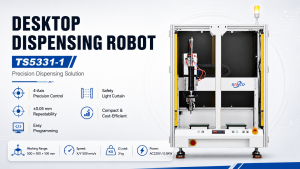
In practical manufacturing, PCB surface tension conformal coating mismatch is one of the most common causes of coating inconsistency and long-term protection failure. To improve coating quality, manufacturers usually need to optimize surface cleaning, surface activation, coating formulation, and spray parameters, especially when using automated coating machines, precision film spray valves, and matched curing ovens in a complete production process.
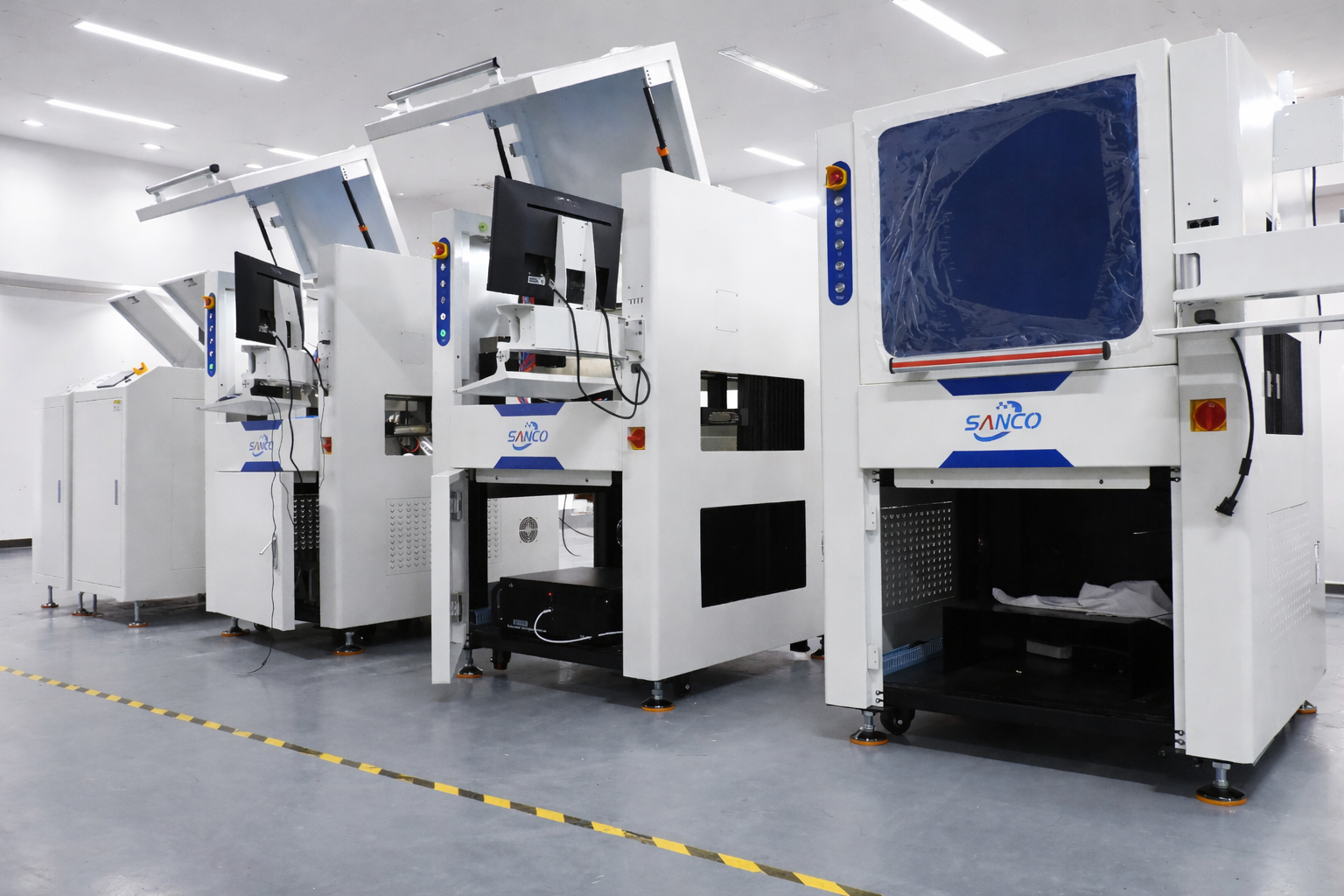
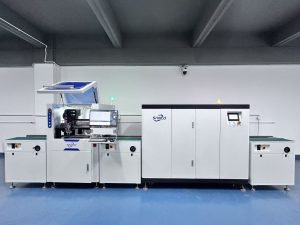
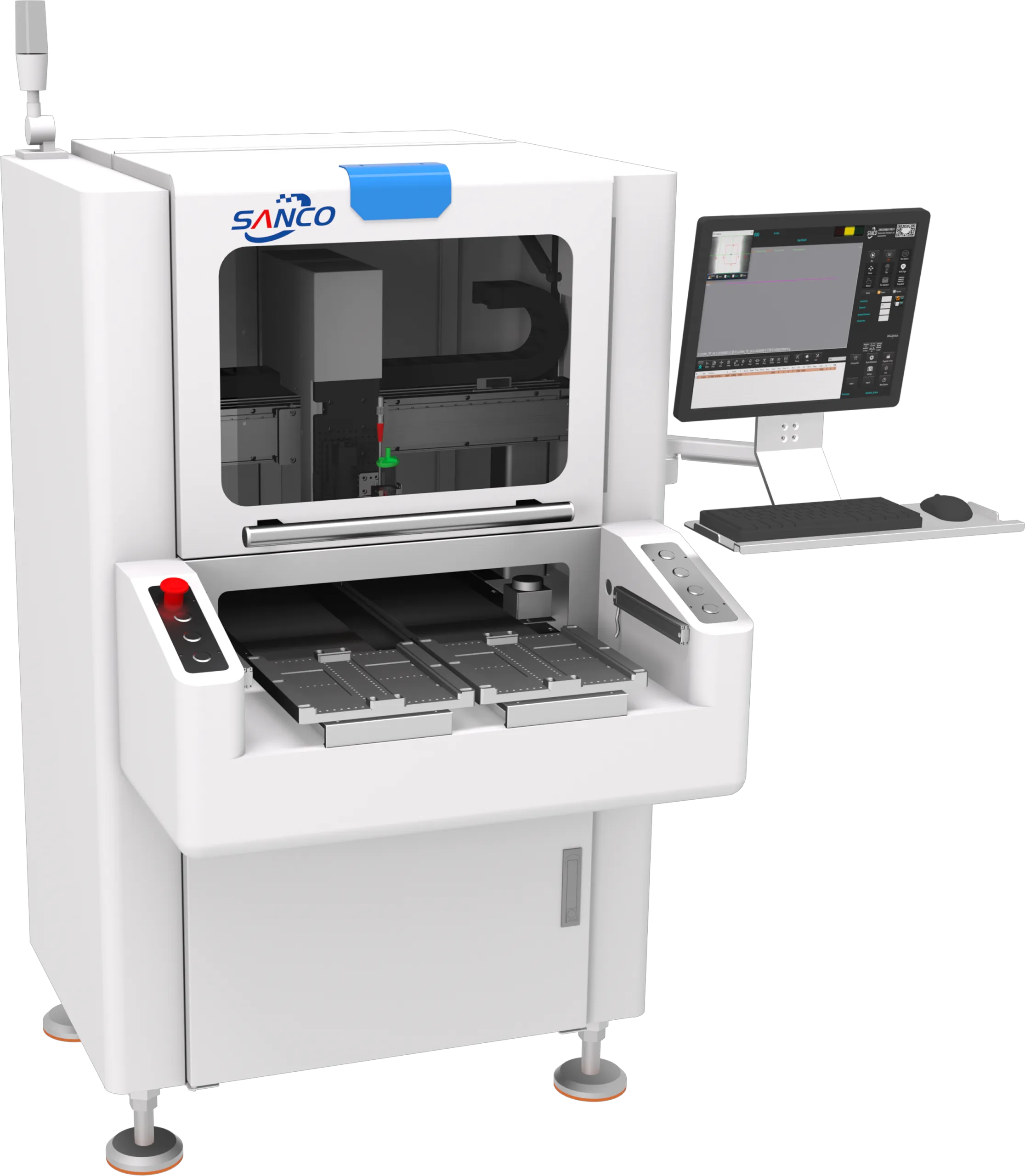
Automated conformal coating production environment for PCB protection.
Quick Overview of PCB Surface Tension Conformal Coating Performance
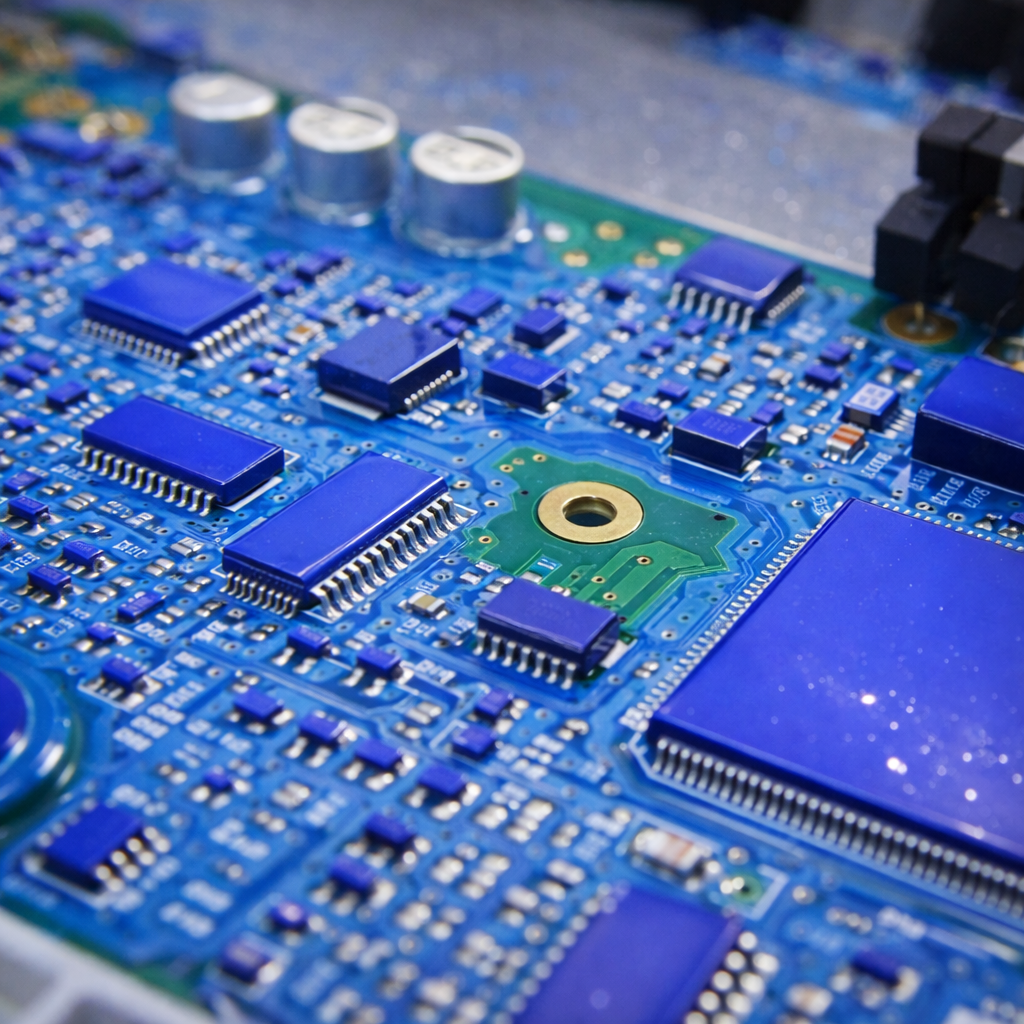
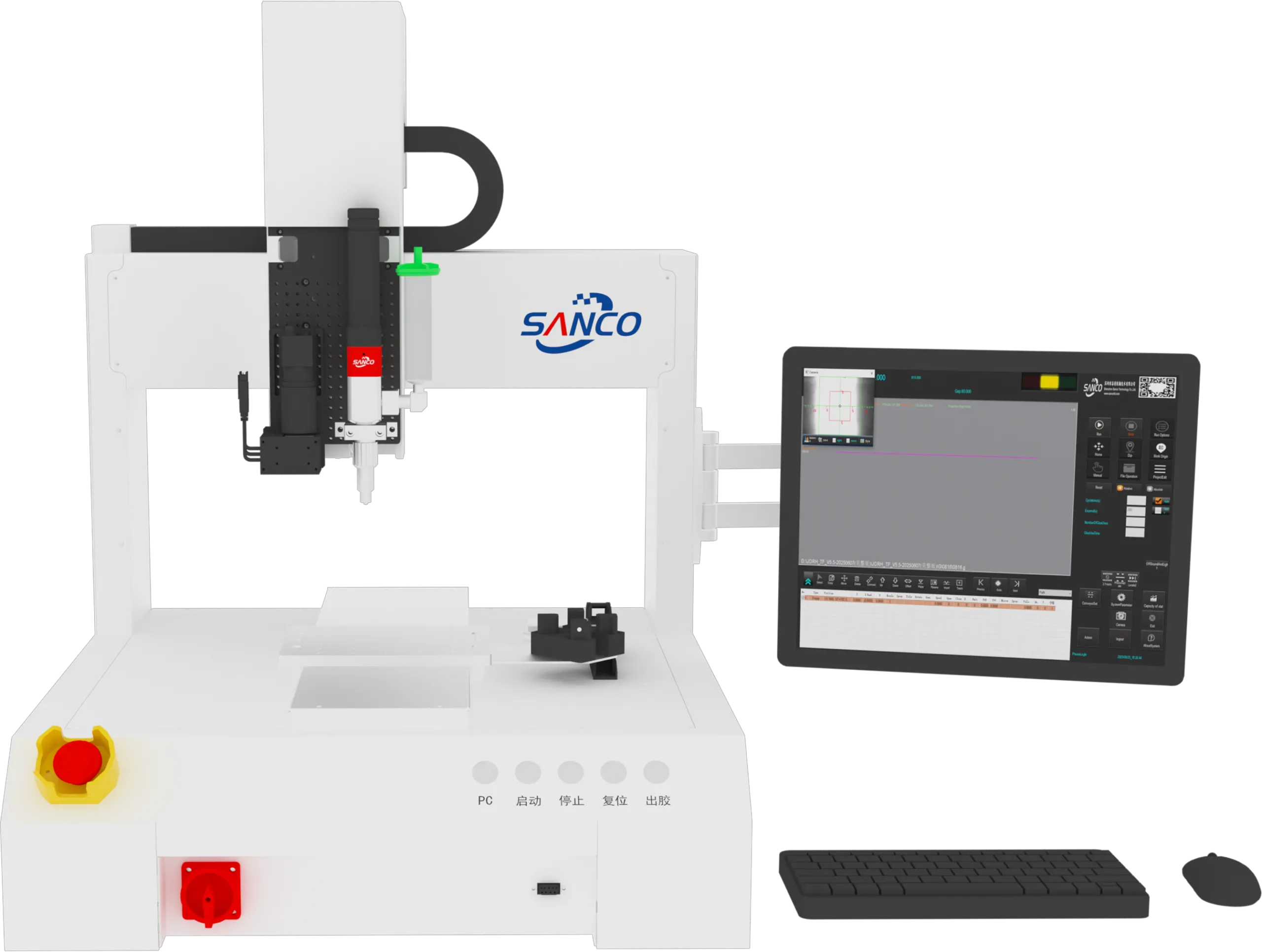
Uniform conformal coating coverage on PCB panel after process optimization.
| Surface Condition | Coating Behavior | Common Defects |
|---|---|---|
| Surface tension too low | Poor wetting and contraction | Edge retreat, pinholes, missed coating |
| Surface tension too high or unstable | Over-wetting or uneven spreading | Sagging, local buildup, uneven thickness |
| Silicone or oil contamination | Strong coating rejection | Fish eyes, bare spots, poor adhesion |
| Well-matched surface and coating | Stable wetting and film formation | Uniform protective coating layer |
What Causes Poor PCB Surface Tension Conformal Coating Wetting?
Before improving the conformal coating process, it is important to identify what reduces PCB surface energy or interferes with coating spreadability. In many cases, the coating material itself is not the main problem. Instead, poor surface cleanliness, low-energy contamination, or an overly smooth substrate surface is the real cause.
Wettability and surface energy are widely recognized as key factors affecting coating adhesion and film formation in electronics manufacturing. For a general technical explanation of wetting behavior, refer to this overview of wetting.
| Main Cause | Beschreibung | Impact on Coating |
|---|---|---|
| Flux residue | Residual chemicals left after soldering | Reduces wetting and adhesion stability |
| Oil and grease | Low-surface-energy contamination on the board | Causes coating shrinkage and defects |
| Dust and fingerprints | Local contamination and uneven surface condition | Creates inconsistent coating coverage |
| Silicone contamination | Very strong anti-wetting effect | Severe coating rejection and edge retreat |
| Overly smooth substrate | Weak mechanical anchoring effect | Lower adhesion and unstable film formation |
1. Surface Pretreatment to Improve PCB Surface Tension Conformal Coating Results
Before applying conformal coating, the PCB surface should be kept as clean as possible. Low-surface-energy contaminants such as flux residue, oil, dust, release agents, and fingerprints can significantly reduce the effective surface tension of the board. Once the surface is contaminated, the coating may no longer spread evenly, which can lead to coating voids, fish eyes, or local exposed copper areas.
For PCBs with obvious oil contamination or heavy flux residue, ultrasonic cleaning with a neutral cleaner at around 50°C for approximately 10 minutes is commonly used. After cleaning, the board should be thoroughly rinsed with deionized water and then dried with hot air at about 60°C. Effective cleaning usually improves surface energy and provides a more stable base for conformal coating adhesion.
Recommended Cleaning Practice
| Artikel | Recommended Method |
|---|---|
| Cleaner type | Neutral cleaning agent |
| Cleaning method | Ultrasonic cleaning |
| Cleaning temperature | Around 50°C |
| Cleaning time | About 10 minutes |
| Rinsing | Deionized water rinse |
| Drying | Hot air drying at about 60°C |
Special attention should be given to silicone contamination. PCB surfaces exposed to silicone-based release agents or silicone-containing materials often show severe wetting problems. Even after spraying, the coating may still pull back from the surface. If silicone contamination is suspected, a dedicated silicone remover should be used. If contamination is severe, replacing the substrate may be more reliable than repeated rework.
2. Physical or Chemical Treatment to Improve PCB Surface Tension Conformal Coating Adhesion
For some PCB substrates, cleaning alone is not enough. If the board surface energy is naturally low or the surface is too smooth, physical or chemical treatment can be used to further improve wetting and adhesion.
For rigid boards such as FR-4, light sanding with fine abrasive paper or micro sandblasting can slightly increase surface roughness without damaging traces or pads. This improves both the mechanical anchoring effect and coating spreadability.
For flexible substrates such as PI, mild chemical activation is generally more suitable. A short weak-alkaline treatment can improve the surface condition and create a more coating-friendly microstructure. Compared with mechanical abrasion, this approach is less aggressive and more suitable for fine circuits and flexible electronics.
Typical Surface Activation Methods
| PCB Type | Suggested Method | Main Benefit |
|---|---|---|
| FR-4 rigid PCB | Fine sanding or micro sandblasting | Improves roughness and mechanical adhesion |
| PI flexible PCB | Mild chemical activation | Enhances wetting with lower risk of damage |
| Dense assembly areas | Controlled surface preparation | Improves local coating consistency |
3. Surface Modification to Improve PCB Surface Tension Conformal Coating Stability
When coating consistency requirements are higher, surface modification can be used to further improve the match between the PCB surface and the conformal coating.
One of the most effective methods is plasma treatment. Oxygen or argon plasma can introduce more polar groups onto the substrate surface, significantly increasing surface energy and improving wetting behavior. In many applications, plasma treatment can raise surface tension from around 30mN/m to above 50mN/m, which is more suitable for automated spraying and selective coating on a four-axial coating machine or a desktop coating machine.
However, plasma activation does not last indefinitely. To maintain stable coating performance, the PCB is usually coated within 6 hours after treatment.
For manufacturers seeking stable PCB surface tension conformal coating results, plasma treatment is one of the most effective ways to improve surface energy and coating consistency.
For small-batch production, repair, or maintenance scenarios, a primer layer can also be used. For example, applying a 5–10μm diluted silane coupling agent layer can create a transition layer that is more favorable for adhesion and help maintain the surface in a more suitable wetting range.
Comparison of Surface Modification Options
| Method | Typical Use | Key Advantage |
|---|---|---|
| Plasma treatment | Automated coating lines | Strong increase in surface energy |
| Primer application | Repair, rework, small-batch jobs | Better adhesion transition layer |
| Combined pretreatment + activation | High-reliability electronics | More stable and repeatable coating performance |
4. Adjust the Coating Formula for Better PCB Surface Tension Conformal Coating Performance
Besides improving the board surface, the conformal coating material itself can also be adjusted to better match different PCB surfaces.
Adding a suitable leveling agent can reduce the surface tension of the coating material and improve its wetting ability on low-surface-tension boards. This helps reduce edge retreat, pinholes, and local missed coating. In general, an addition ratio of 0.5%–1% is common. If the dosage is too high, side effects such as fish eyes, reduced adhesion, or lower water resistance may appear.
For coatings with relatively high viscosity, an appropriate amount of dedicated thinner may also be added according to supplier recommendations. This can improve flowability and allow the coating to penetrate component gaps and solder joint areas more effectively. In actual automated application, the final spray result is also closely related to the choice of high pressure valves, diaphragm valves, or a precision conical spray valve.
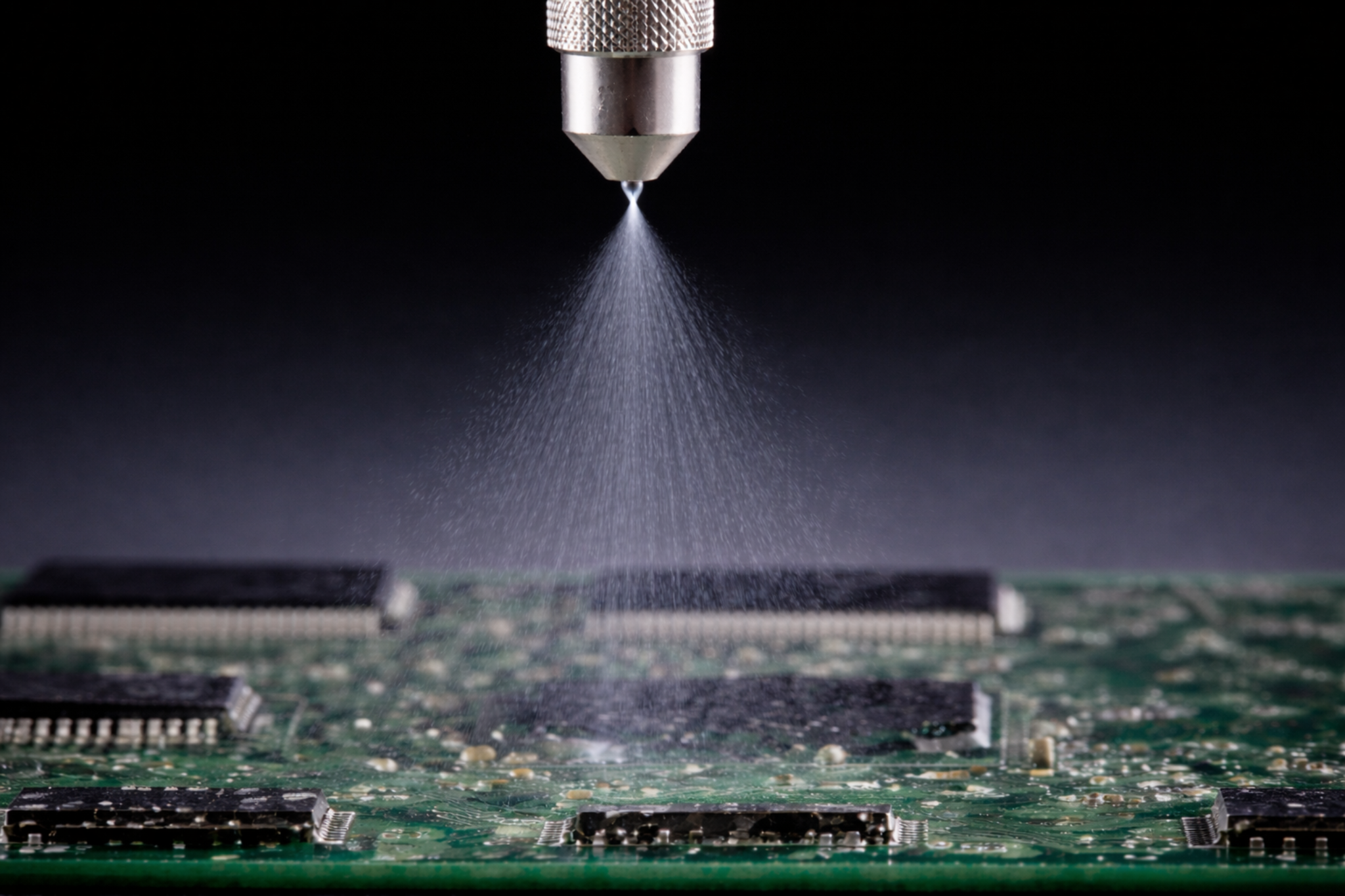
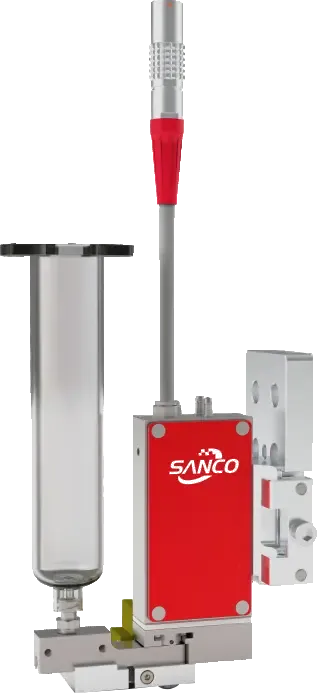
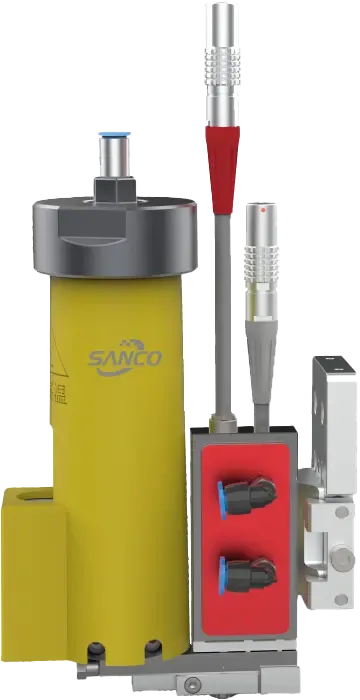
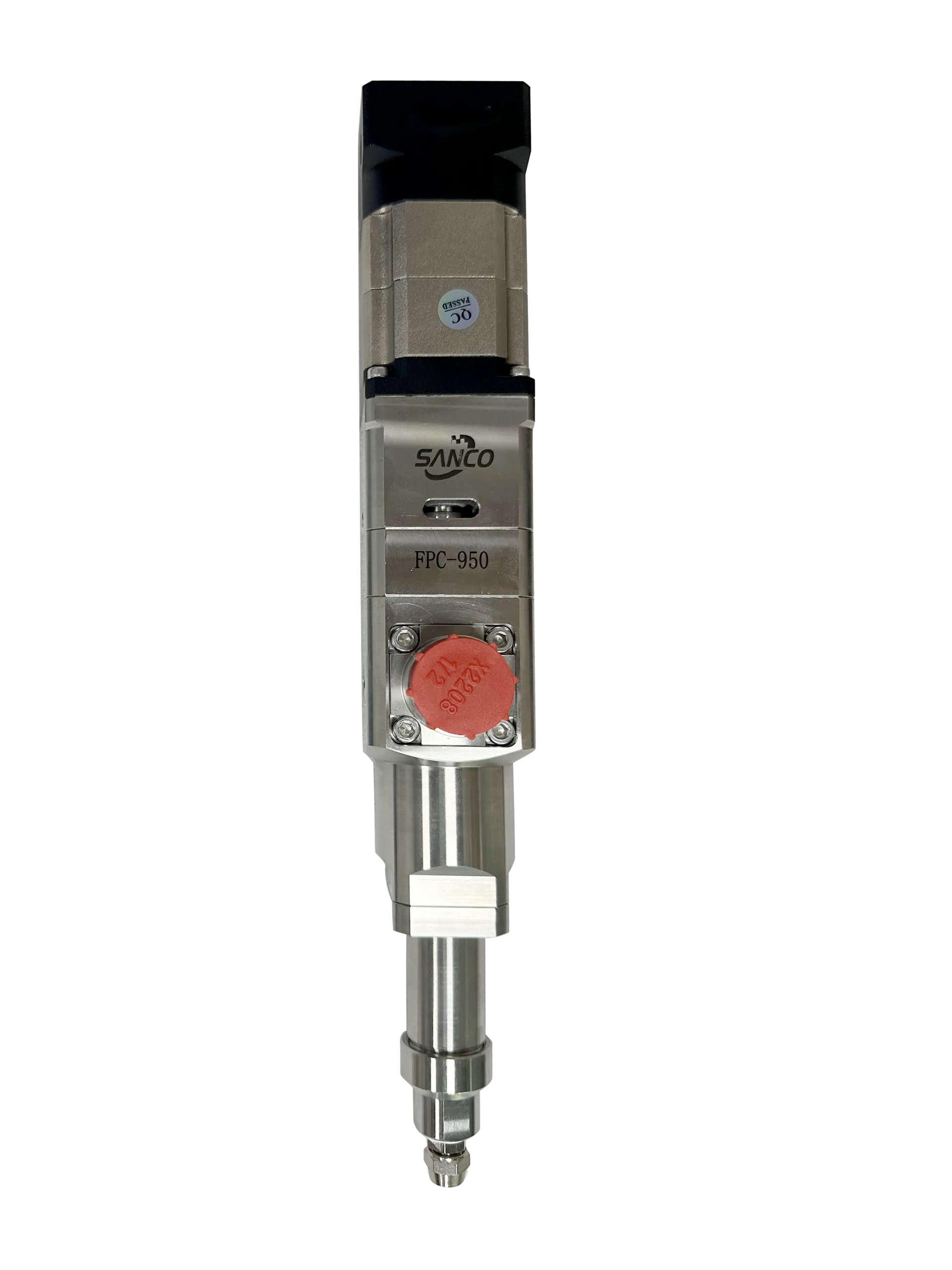
Precision spray valve for stable conformal coating application and fluid control.
Typical Coating Formula Adjustments
| Adjustment | Purpose | Expected Effect |
|---|---|---|
| Leveling agent | Reduce coating surface tension | Better wetting on low-energy surfaces |
| Dedicated thinner | Lower viscosity and improve flow | Better penetration and smoother film formation |
| Small-batch validation | Confirm compatibility before mass production | Reduces risk of new coating defects |
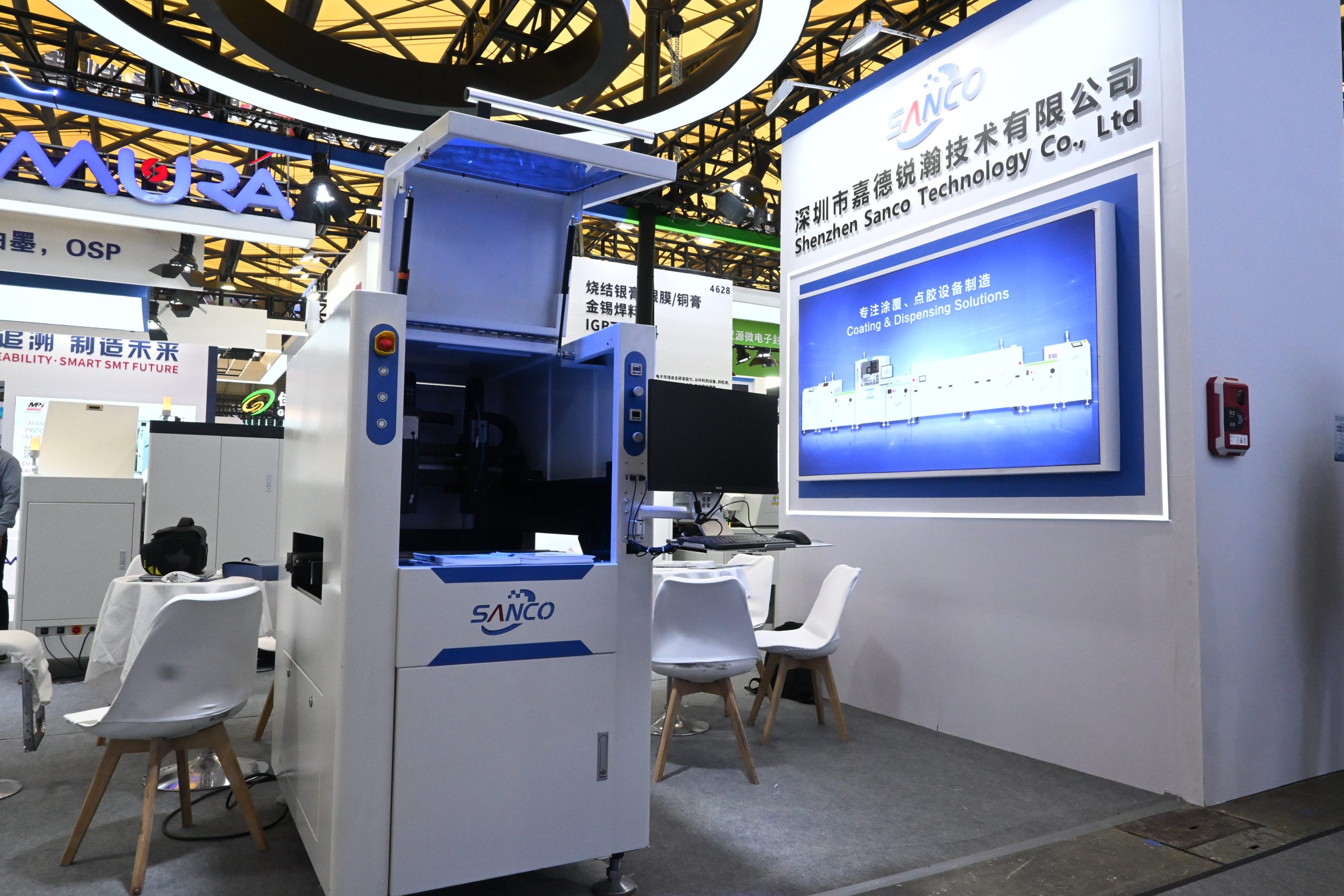
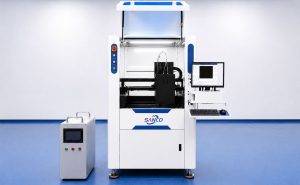
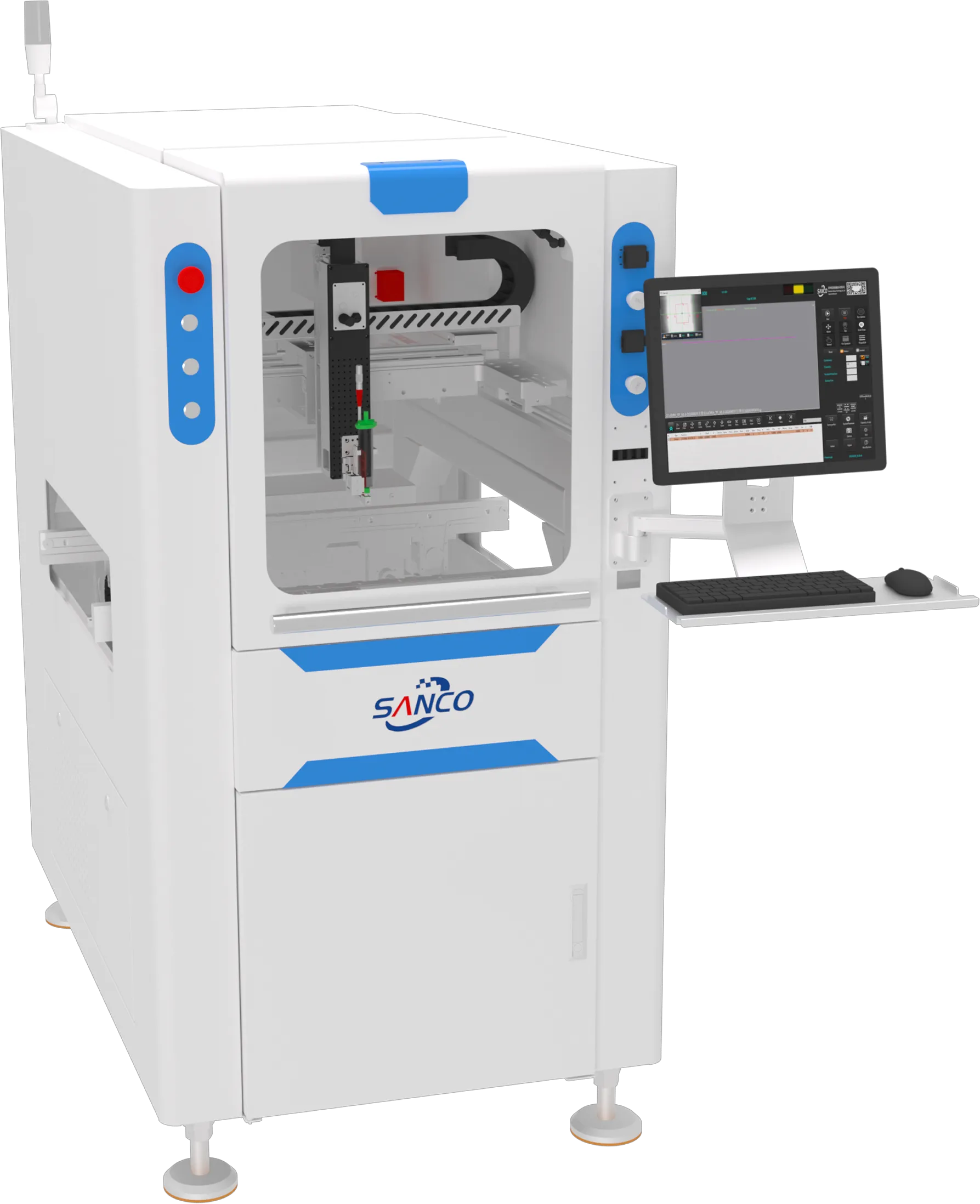
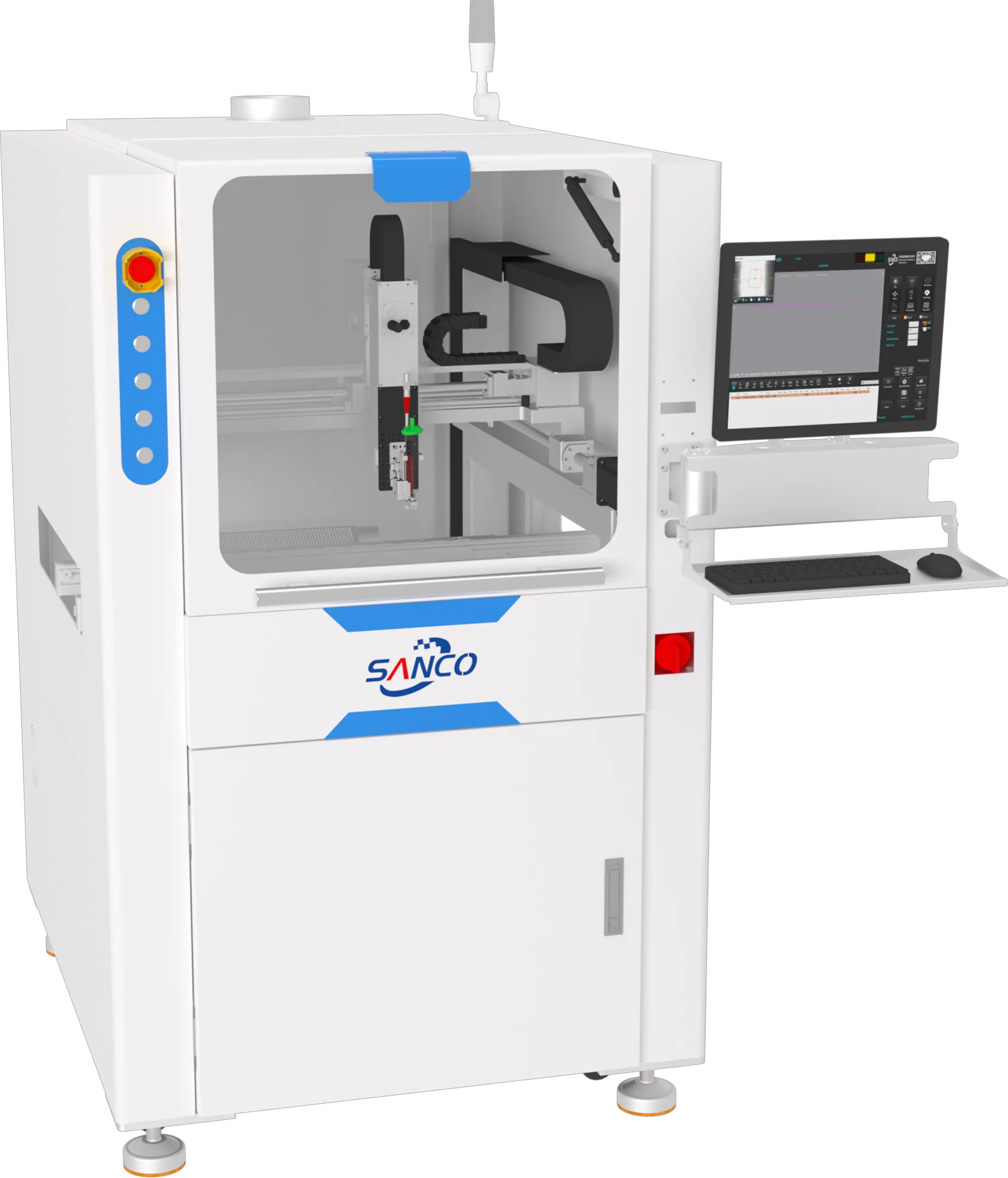
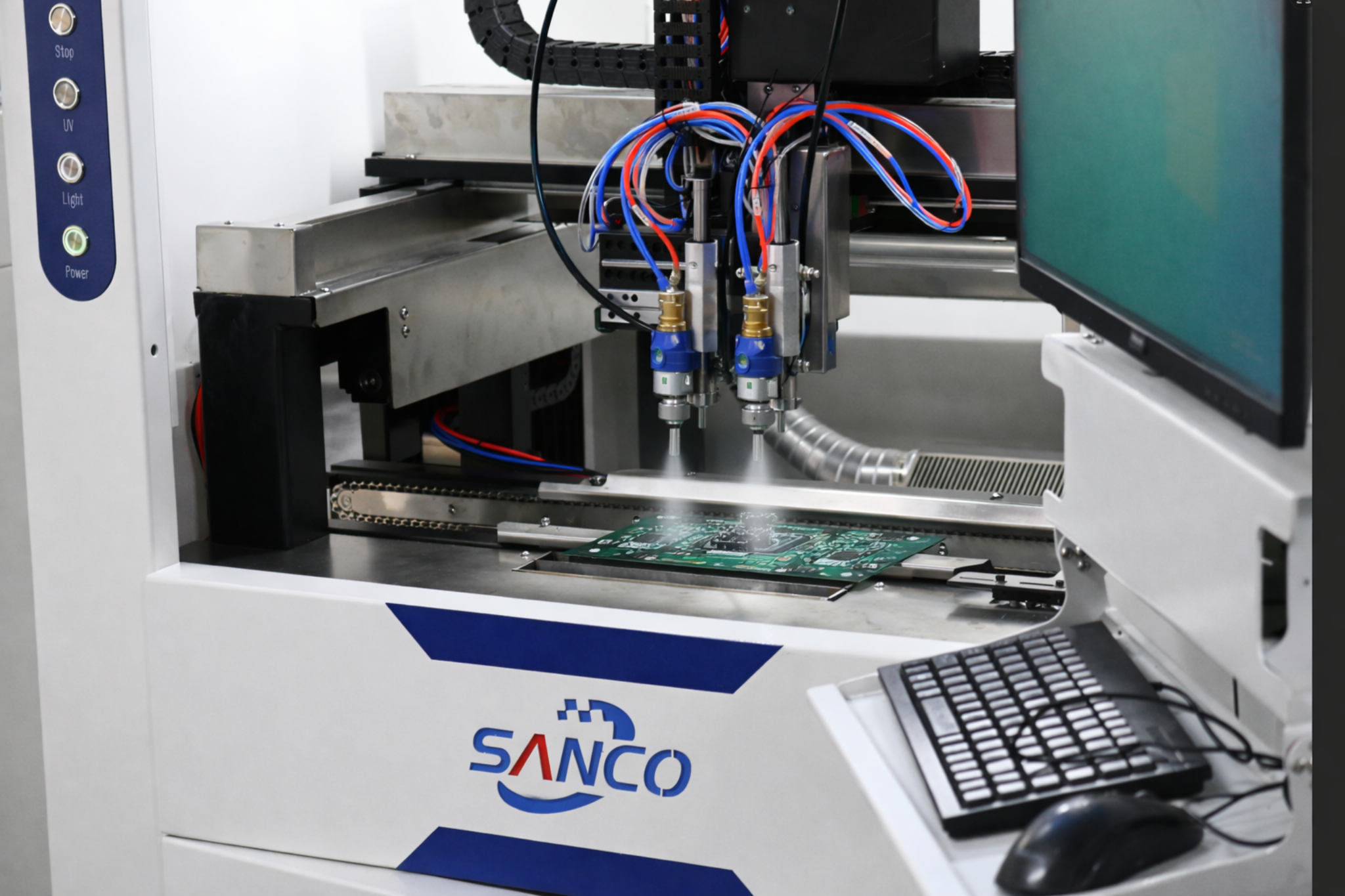
Selective conformal coating machine used for stable and precise PCB coating application.
5. Optimize Spray Parameters for Better PCB Surface Tension Conformal Coating Quality
Even when the PCB surface and coating formula are reasonably matched, poor process settings can still lead to defects such as edge retreat, sagging, or uneven thickness. For this reason, process optimization remains essential.
During spraying, the spray distance can be shortened appropriately and the moving speed can be reduced so that the coating has more time to spread and level on the board surface. This helps improve film continuity. In integrated production lines, this process is often coordinated with a matched sector spray valve, an IR curing oven, a UV LED curing oven, and a stable Förderband system.
Optimizing spray distance, valve control, and coating speed is essential for achieving reliable PCB surface tension conformal coating quality in automated production.
Different structural areas on the PCB may also require different coating strategies. For component leads, sharp edges, and areas prone to shrinkage, a thin-coat multiple-pass method is recommended. For relatively flat areas, coating can be applied according to the normal film thickness requirement to maintain both coverage and production efficiency.
Recommended Process Strategy
| Area / Condition | Suggested Strategy | Main Goal |
|---|---|---|
| Sharp edges and corners | Thin-coat multiple-pass | Reduce edge retreat |
| Dense component leads | Slower spray speed and better angle control | Improve coverage consistency |
| Flat open areas | Normal thickness application | Maintain efficiency and uniformity |
| General conformal coating | Dry film thickness around 20–30μm | Balanced protection performance |
Common PCB Surface Tension Conformal Coating Defects and Solutions
| Defect | Likely Cause | Improvement Method |
|---|---|---|
| Edge retreat | Low PCB surface tension or contamination | Cleaning, plasma treatment, leveling adjustment |
| Pinholes | Poor wetting or trapped air | Better cleaning and viscosity adjustment |
| Fish eyes | Silicone or oil contamination | Remove contamination and validate material compatibility |
| Sagging | Over-wetting or excessive coating load | Optimize spray speed, distance, and film thickness |
| Uneven thickness | Inconsistent wetting or poor process control | Improve surface uniformity and spray consistency |
Summary of PCB Surface Tension Conformal Coating Improvement Methods
| Improvement Method | Main Purpose | Typical Benefit |
|---|---|---|
| Ultrasonic cleaning | Remove flux, oil, and dust | Improved surface cleanliness |
| Fine sanding or micro blasting | Increase microscopic roughness | Better mechanical adhesion |
| Plasma treatment | Increase surface energy | More stable wetting and coating spread |
| Primer application | Create adhesion-friendly transition layer | More stable coating performance |
| Leveling agent adjustment | Improve coating wetting ability | Reduced shrinkage-related defects |
| Spray parameter optimization | Improve film formation | Reduced sagging and better uniformity |
A stable PCB surface tension conformal coating process depends on proper cleaning, surface activation, coating material adjustment, and accurate spray control.
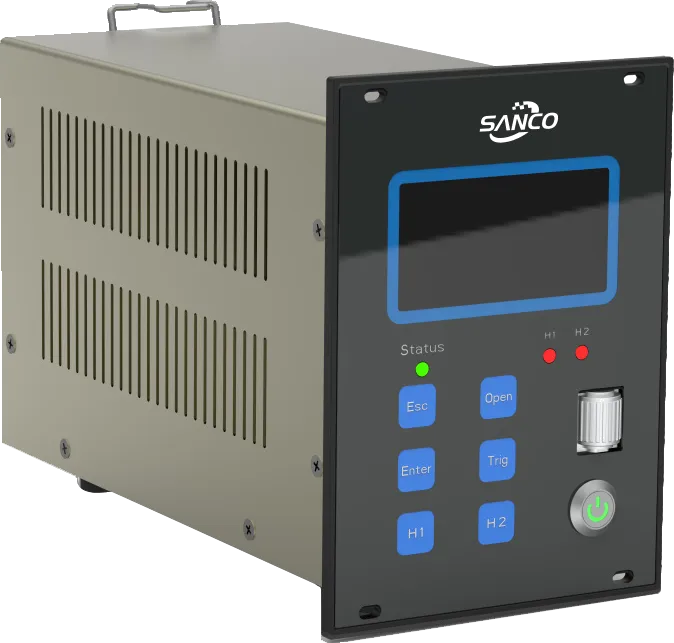
In large-scale production, these improvement methods are usually combined with suitable automation equipment such as a three-axial coating machine, a matched spray valve, a hot wind curing oven, and supporting modules like a shuttle conveyor or vertical buffer conveyor to improve process consistency and production efficiency.
PCB Surface Tension Conformal Coating FAQs
Why does low PCB surface tension cause coating defects?
Because the coating cannot wet and spread evenly across the surface. Instead of forming a continuous film, it contracts into droplets or pulls away from corners and edges.
Is cleaning always enough to solve wetting problems?
Not always. Cleaning removes contamination, but some PCB surfaces still require roughening, plasma treatment, or primer application to achieve stable coating results.
Why is silicone contamination especially problematic?
Silicone has a very strong anti-wetting effect. Even a small amount can cause severe coating rejection, fish eyes, or obvious edge retreat.
Can coating formula adjustment help improve wetting?
Yes. Suitable leveling agents and dedicated thinners can improve wetting and flowability, but they must be used in controlled ratios to avoid creating new defects.
PCB surface tension has a direct and critical effect on conformal coating quality. Only when the surface tension of the PCB and the coating material is reasonably matched can the coating form a continuous, uniform, and reliable protective film.
In actual production, manufacturers should combine surface pretreatment, surface activation, coating formula adjustment, and process optimization according to the PCB material, contamination level, coating type, and application method. By doing so, problems such as poor wetting, edge retreat, pinholes, missed coating, and sagging can be reduced effectively, while long-term adhesion and protection performance can be improved.