

Conformal coating has traditionally relied on spray or dispensing processes — effective, but limited in precision, and often requiring extensive masking to protect sensitive components. 3D digital printing technology takes a fundamentally different approach, applying inkjet-based digital control to PCBA protection. The result is a coating process that is more precise, more material-efficient, and capable of producing coating geometries that spray and dispensing simply cannot achieve.
What Is 3D Digital Printing Conformal Coating?
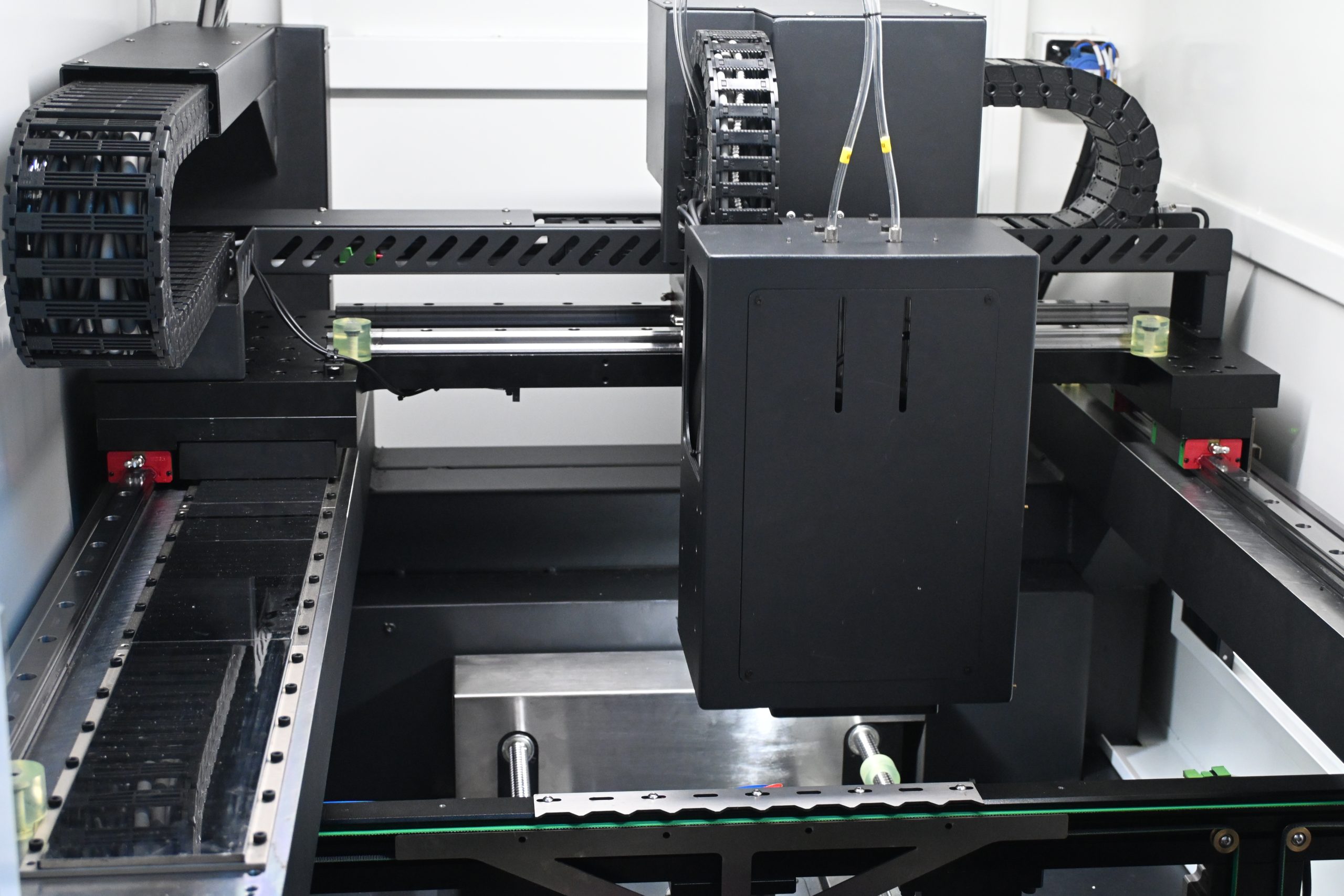
Instead of spraying coating material across a board and masking off areas that shouldn’t be coated, 3D digital printing jets coating material through hundreds or thousands of independently controlled nozzles — much like an inkjet printer, but built for industrial protective coatings. Each nozzle can be turned on or off individually, allowing the system to build coating layer by layer, exactly where it’s needed and nowhere else.
Ten Key Advantages of 3D Digital Printing in PCBA Conformal Coating
| Advantage | Detail |
|---|---|
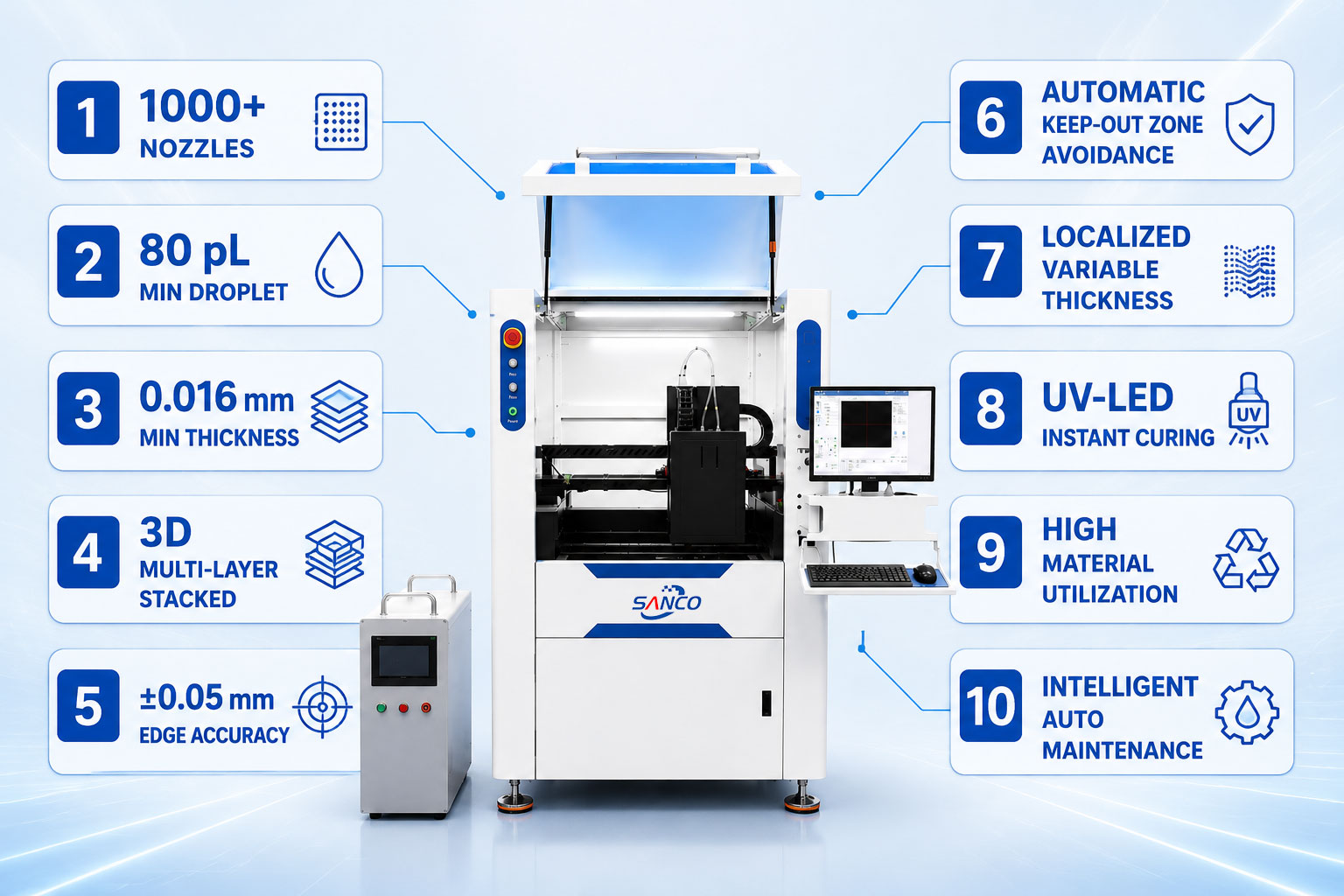
| Pixel-Level Precision Jetting | Over 1,000 independently controlled nozzles enable fine, selective coating of targeted areas. |
| Ultra-Fine Droplet Control | Minimum droplet volume of approximately 80 pL, with jetting resolution up to 400 dpi. |
| Ultra-Thin Film Formation | Single-layer thickness as low as 0.016 mm, ideal for lightweight, high-precision protection. |
| 3D Multi-Layer Stacked Encapsulation | Layer-by-layer jetting and curing enables fully digital control of thickness and geometry. |
| Sharp, Clean Coating Edges | Edge control accuracy within 0.05 mm, significantly reducing overspray. |
| Precise Keep-Out Zone Avoidance | Automatically avoids test points, connectors, gold fingers, and sensor windows without masking. |
| Localized Variable Thickness | Enables thin-film protection, selective reinforcement, and 3D encapsulation on the same PCBA. |
| Instant UV-LED Curing | Curing immediately follows jetting, minimizing dripping, spreading, and edge distortion. |
| High Material Utilization | On-demand jetting eliminates atomization waste, reducing material consumption by roughly one-third. |
| Intelligent Automated Maintenance | Supports automatic humidification, nozzle-clog detection, fluid path circulation, and printhead condition monitoring. |
Why Precision Matters: Keep-Out Zones Without Masking
One of the most practical advantages of digital jetting is the elimination of manual masking. Traditional spray coating requires operators to physically tape or shield test points, connectors, and gold fingers before coating — a labor-intensive step that adds time and introduces the risk of human error. Because 3D digital printing is software-driven, keep-out zones are defined digitally and the system simply doesn’t jet material in those areas. This alone can significantly shorten setup time while improving first-pass yield.
3D Multi-Layer Encapsulation: Beyond a Flat Coating
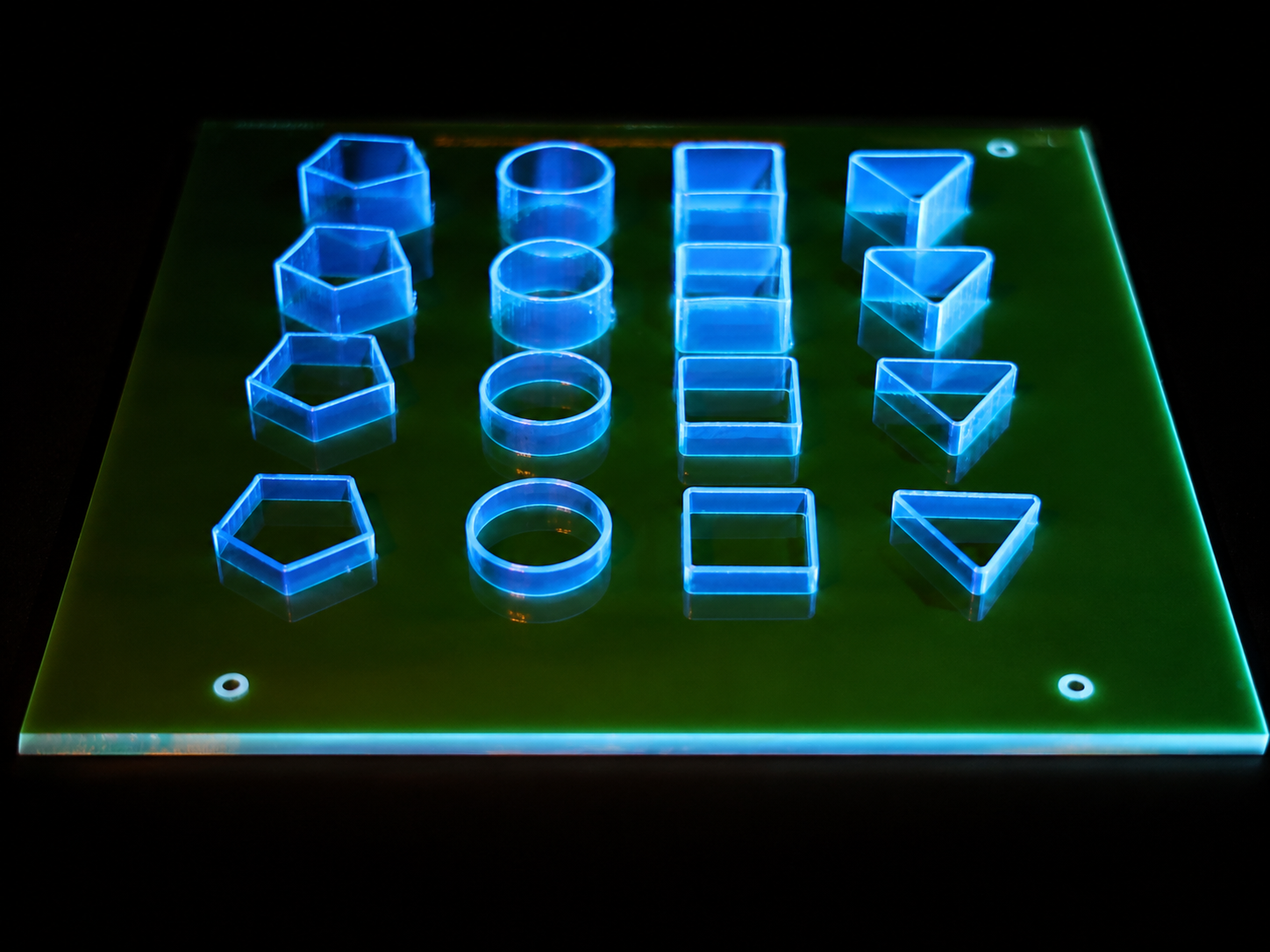
Because each layer is jetted and cured independently, the technology isn’t limited to producing a uniform flat film. Thickness and geometry can be varied across the same board — a thin protective layer over most of the assembly, with additional reinforcement built up in specific zones that require it, such as areas exposed to vibration, moisture, or mechanical stress. This level of control is difficult, if not impossible, to achieve consistently with spray or dispensing alone.
Where This Technology Delivers the Most Value
3D digital printing conformal coating is particularly well suited to applications where board density, precision, and reliability requirements are high — including automotive electronics such as ECUs and sensor modules, medical device PCBAs, aerospace and industrial control boards, and high-density consumer electronics where connectors and test points cannot be blocked. In these applications, the combination of precision, material efficiency, and reduced manual labor translates directly into better yield and lower total production cost.
As PCBA designs continue to shrink in size while increasing in component density, digital jetting technology offers a path to protective coating that keeps pace with modern board complexity — precise, repeatable, and fully programmable.