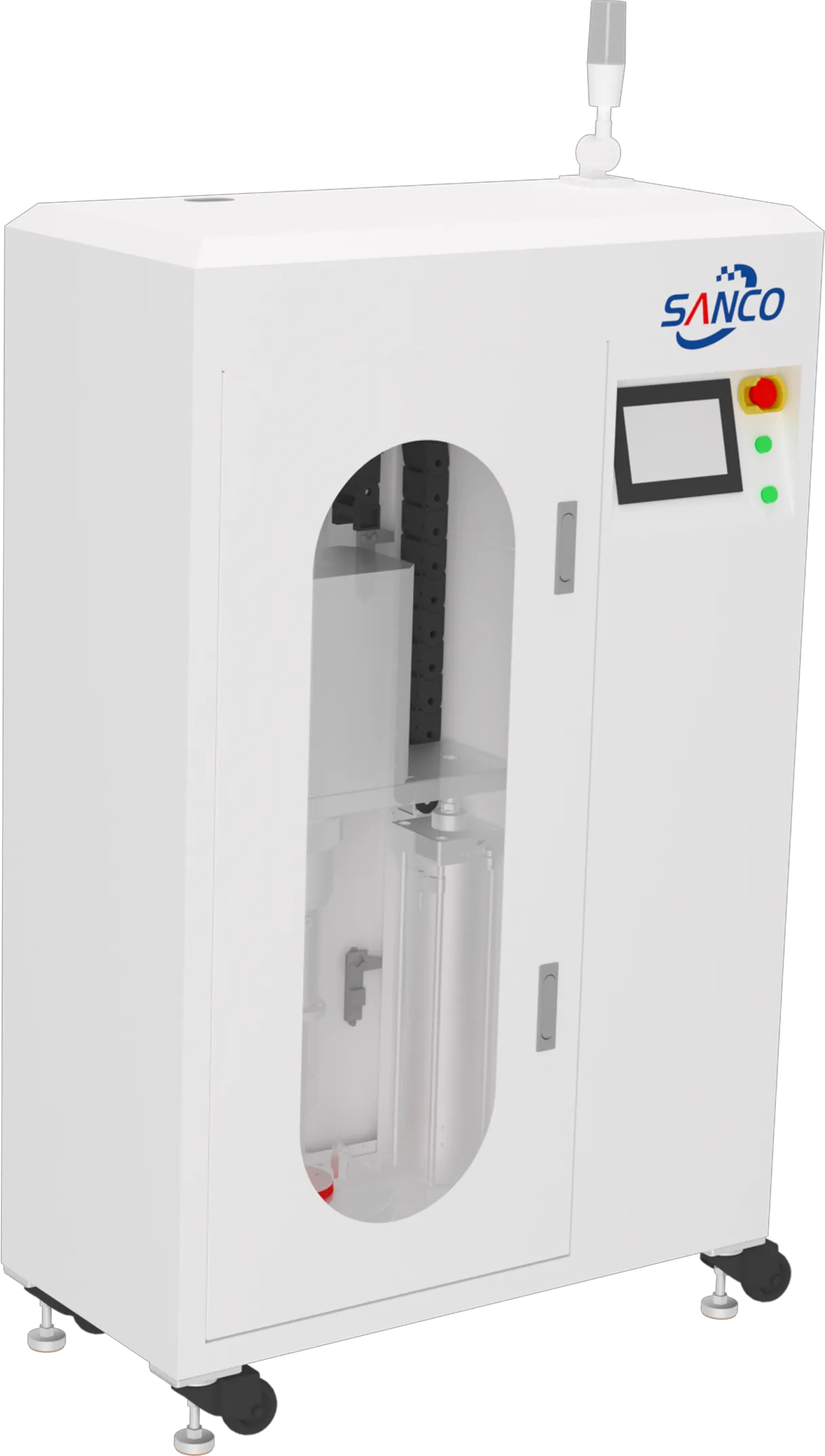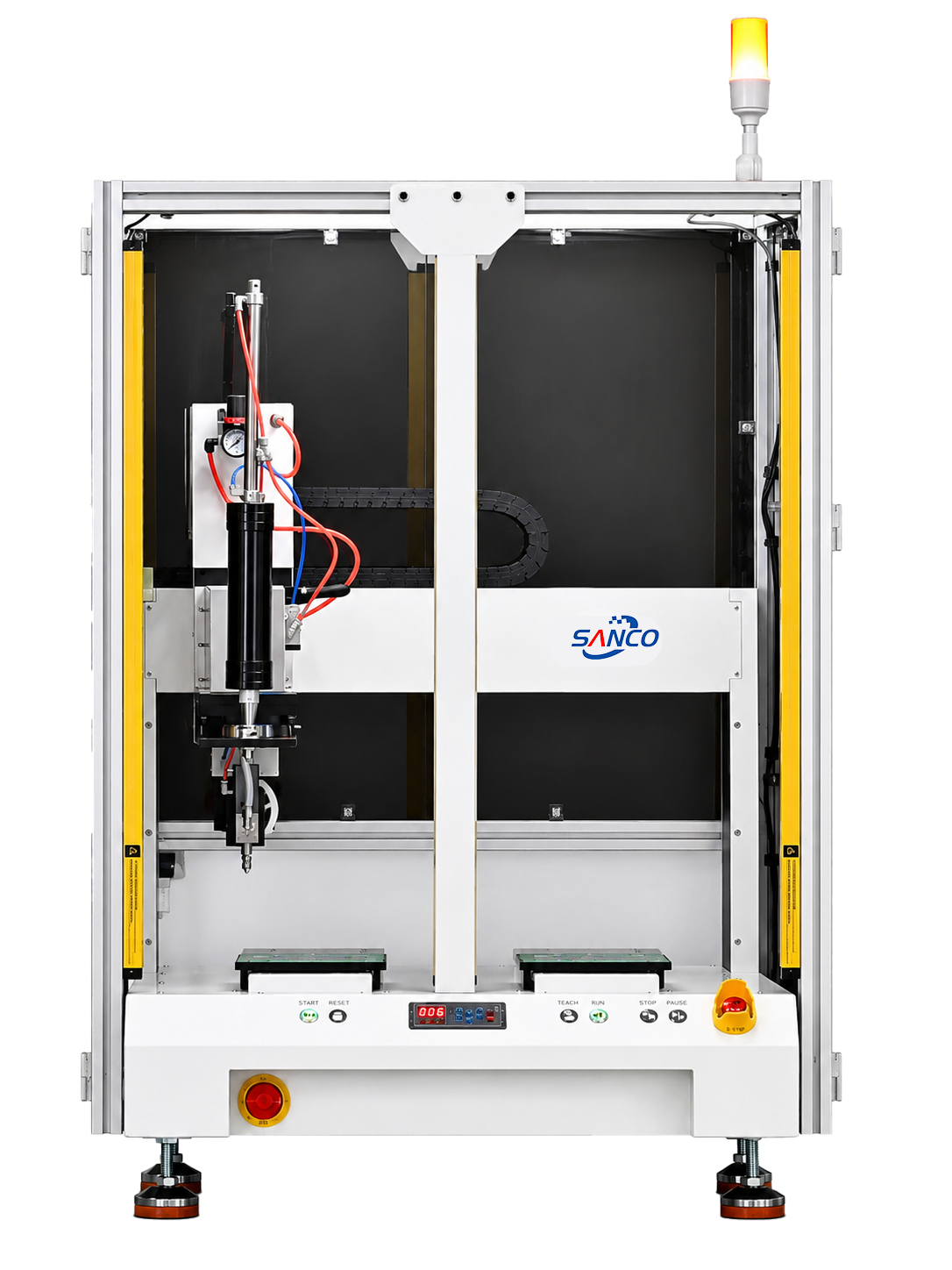


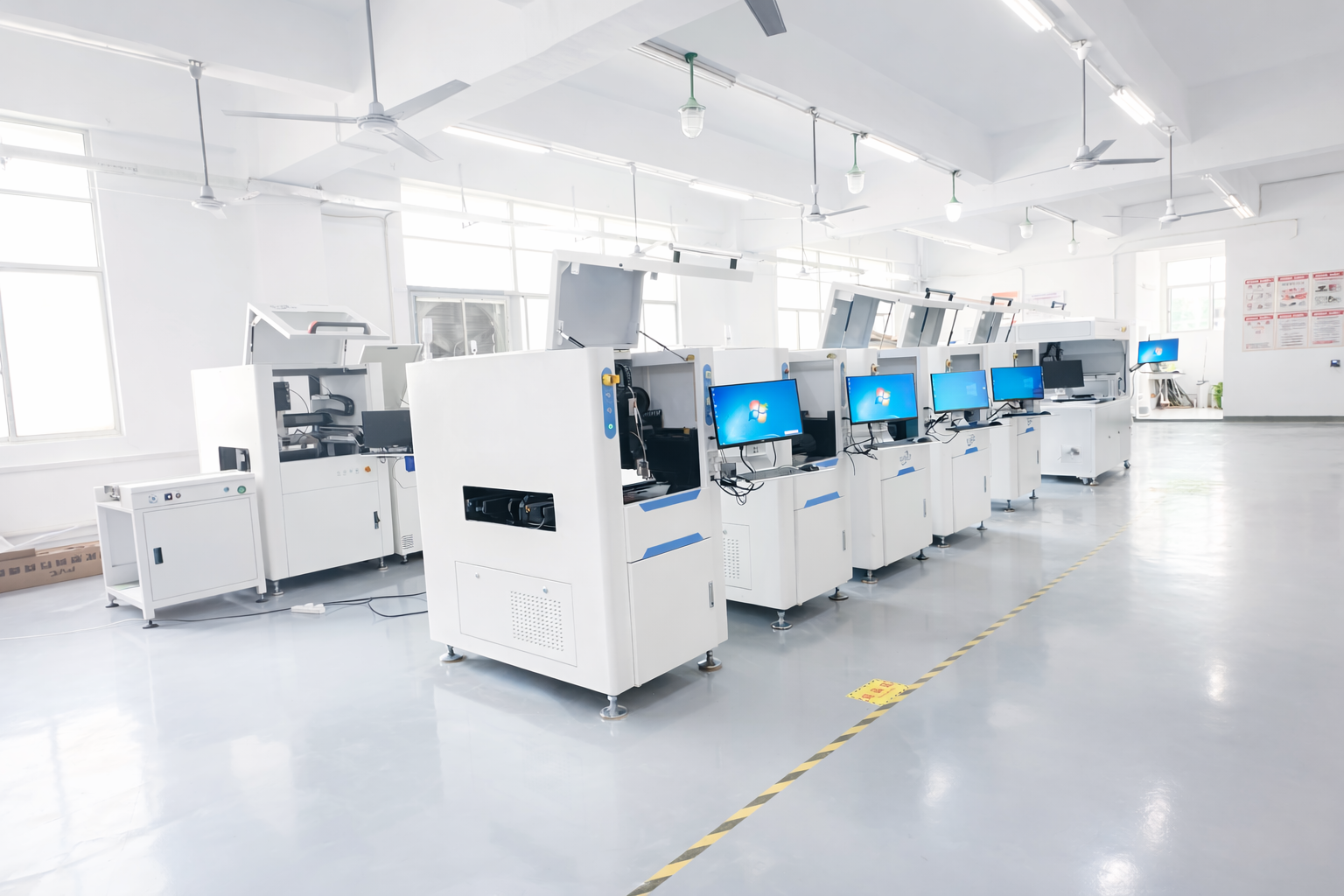
Conformal coating equipment for PCBA should be selected based on production volume, PCB complexity, coating precision, material type, and long-term process stability. The right system can improve coating consistency, reduce material waste, protect keep-out areas more effectively, and support more efficient electronics manufacturing.
Choosing the right conformal coating equipment is not only about buying a machine that can apply coating. A more important question is whether the solution matches your product type, board complexity, coating material, target output, and future manufacturing plan. In many electronics factories, coating quality problems do not come from the material itself, but from the fact that the selected equipment does not fit the actual process requirement.
Conformal coating is used to protect PCB assemblies against moisture, dust, chemicals, thermal shock, salt mist, and other environmental factors. It plays an important role in improving long-term reliability in industrial control products, power electronics, communication systems, LED drivers, automotive electronics, and many other applications. But even when the protective purpose is clear, the application method can vary greatly from one production environment to another.
Some manufacturers only need a flexible solution for prototypes or low-volume orders. Others need stable inline automation for repeat mass production. Some PCBAs are simple and open, while others have dense layouts, large component height differences, many connectors, and strict keep-out areas. Because of these differences, there is no single coating machine that is ideal for every production situation.
A better selection method is to first define the actual production need, then compare the main coating methods, and finally choose equipment that offers the right balance of precision, efficiency, flexibility, and long-term operating value. This is also why many manufacturers now evaluate not only the machine body, but also valve type, curing solution, and line integration support before making a final decision.
How to Select Conformal Coating Equipment for PCBA
When selecting conformal coating equipment for PCBA, manufacturers should compare production volume, board complexity, coating precision, and the need to protect keep-out areas during automated processing. A useful selection process starts with a few practical questions rather than with machine names alone.
| Selection Factor | Why It Matters |
|---|---|
| Production Volume | Different solutions fit sample work, pilot runs, batch production, or full-scale mass production differently. |
| Coating Accuracy Requirement | The need for thickness control, edge cleanliness, repeatability, and keep-out area protection determines the level of automation and precision required. |
| PCBA Complexity | Boards with dense components, height differences, narrow gaps, or many no-coat zones require more precise coating control. |
| Material Type | Acrylic, silicone, polyurethane, solvent-based, and UV-curable materials can behave differently during transfer and curing. |
| Investment Stage | A factory moving up from manual coating may need a practical transition solution, while a mature line may justify higher automation. |
| Future Expansion | The selected equipment should support future product changes, higher output, and tighter process requirements. |
These factors are closely connected. A factory with medium output but complex products may need a more advanced solution than a factory with higher output but simpler boards. In the same way, if the coating material is expensive, reducing overspray and waste may become a major selection priority.
Why Choosing the Right Coating Equipment Matters
In practical PCBA production, the coating process affects much more than surface appearance. It directly influences coating thickness consistency, protected area coverage, keep-out area cleanliness, material waste, throughput, rework rate, and overall process repeatability. If the wrong equipment is selected, several common problems may appear during production:
- Uneven coating thickness on different board areas
- Overspray onto connectors, test pads, or gold fingers
- Excessive coating consumption and higher running cost
- Low production speed compared with line demand
- Frequent manual adjustment or rework
- Poor repeatability between batches
For this reason, choosing equipment should not be based on machine price alone. In many cases, the more important question is how well the machine fits the board, the process, and the production target. A lower-cost machine may create more waste and more rework over time, while a more suitable solution may reduce total operating cost by improving yield and lowering labor dependence.
How Production Volume Changes the Equipment Choice
One of the first questions in equipment selection is production volume. For sample work, laboratory use, prototype validation, or occasional repair, simple methods can still be acceptable. The speed requirement is low, product variation is high, and flexibility matters more than full automation.
Once production moves into regular small-batch or medium-batch manufacturing, the process needs better repeatability. At this stage, manual coating often becomes unstable and labor-dependent. This is where automated motion control and more stable valve performance start to show clear value.
For large-volume continuous production, especially where boards must pass through a standardized line, the equipment should not only coat accurately but also support throughput, line balance, and stable long-term operation. In these cases, inline automation, precise path control, and matching curing systems become much more important.
How PCB Complexity Affects the Best Equipment Option
Not all PCB assemblies are equally difficult to coat. A simple open board with few tall components is much easier to process than a dense assembly with connectors, shielding structures, high parts, narrow clearances, and many no-coat areas. This is why board complexity should always be reviewed before making a machine decision.
If the board includes many protected locations such as connectors, sockets, switches, test points, edge contacts, or gold fingers, standard broad spray may not provide enough control. The more selective the process needs to be, the more important precise motion and accurate valve performance become.
Complex PCBAs also increase the value of consistent path control and stable coating transfer. When component height changes are large, the machine needs to maintain good application quality across different areas of the board. If the board design changes frequently, programming flexibility also becomes important.
Main Types of Conformal Coating Equipment for PCBA
The best conformal coating equipment for PCBA is not always the most expensive system, but the one that matches the actual board design, coating material, and long-term production target. The main methods used in the industry each serve different production goals.
1. Manual Spray Gun
A manual spray gun is one of the lowest-cost methods for applying conformal coating. It is mainly used for prototypes, lab testing, engineering samples, repair, and occasional rework. The setup is simple, and the operator can respond flexibly to different board sizes and coating areas.
However, the coating result depends heavily on operator experience. Thickness control is difficult to standardize, overspray is common, and material usage is less efficient. Operator safety and ventilation also become more important during spraying. Because of these limitations, this method is generally not suitable for stable formal production where repeatability matters.
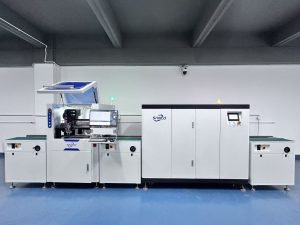
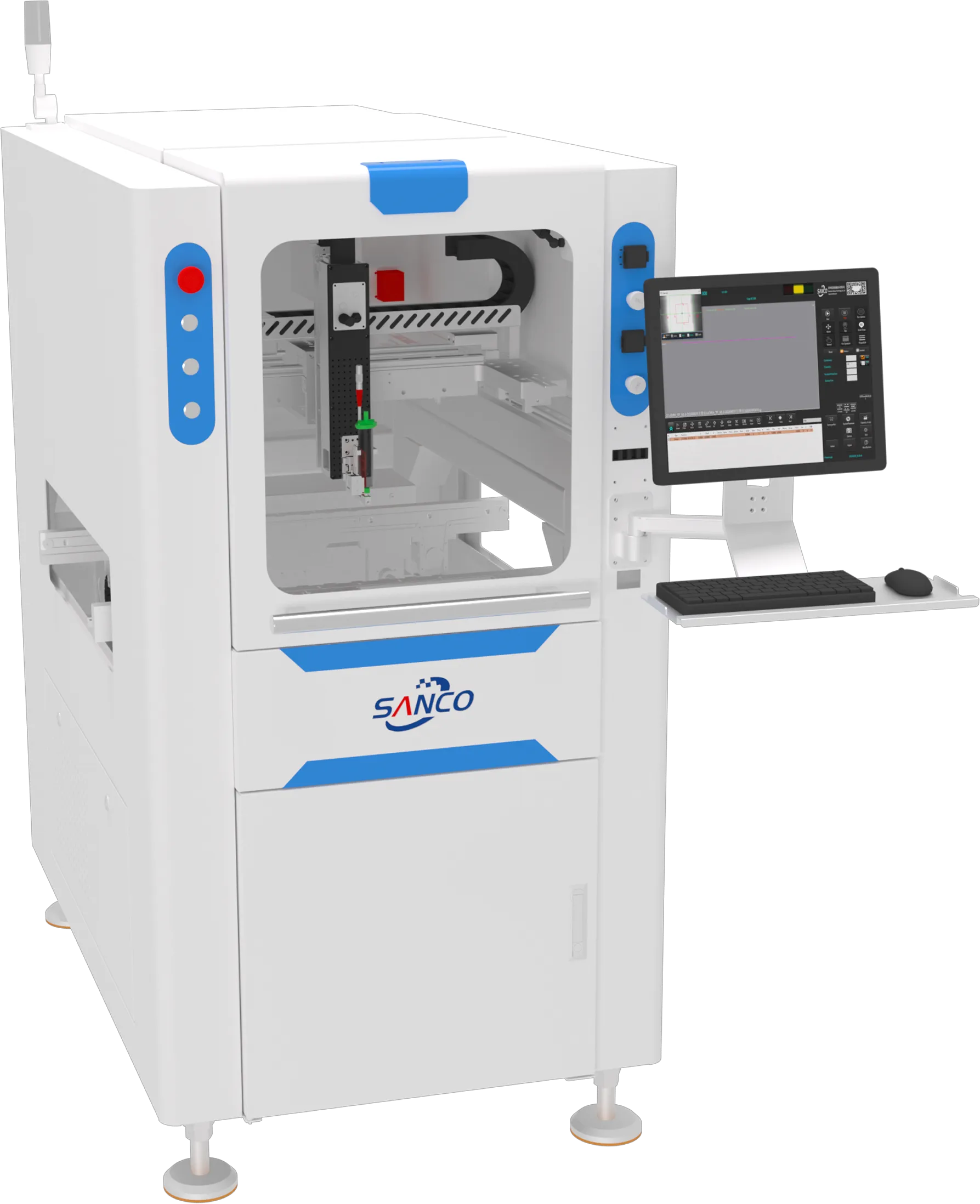
2. Automatic Spray Coating Machine
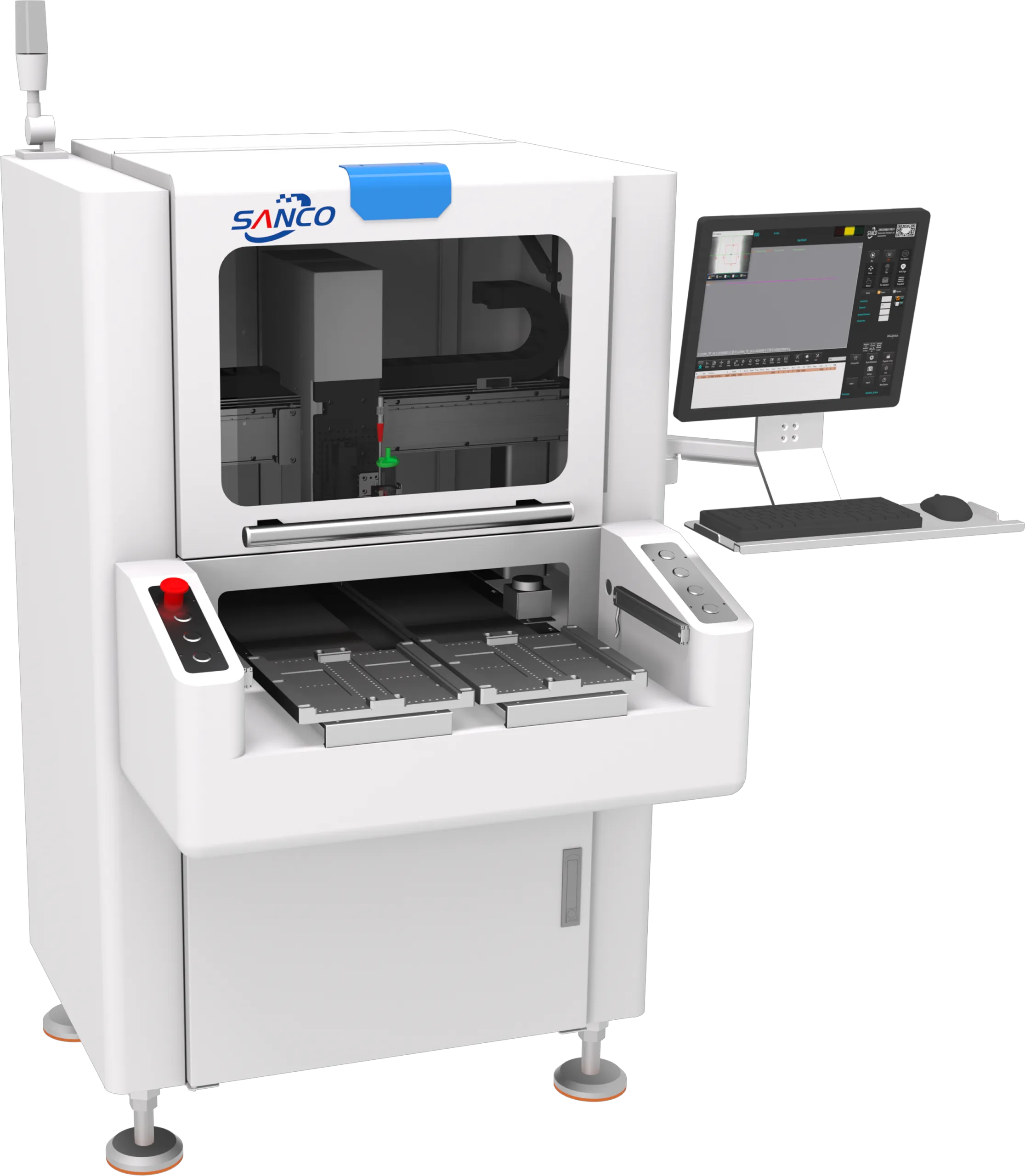
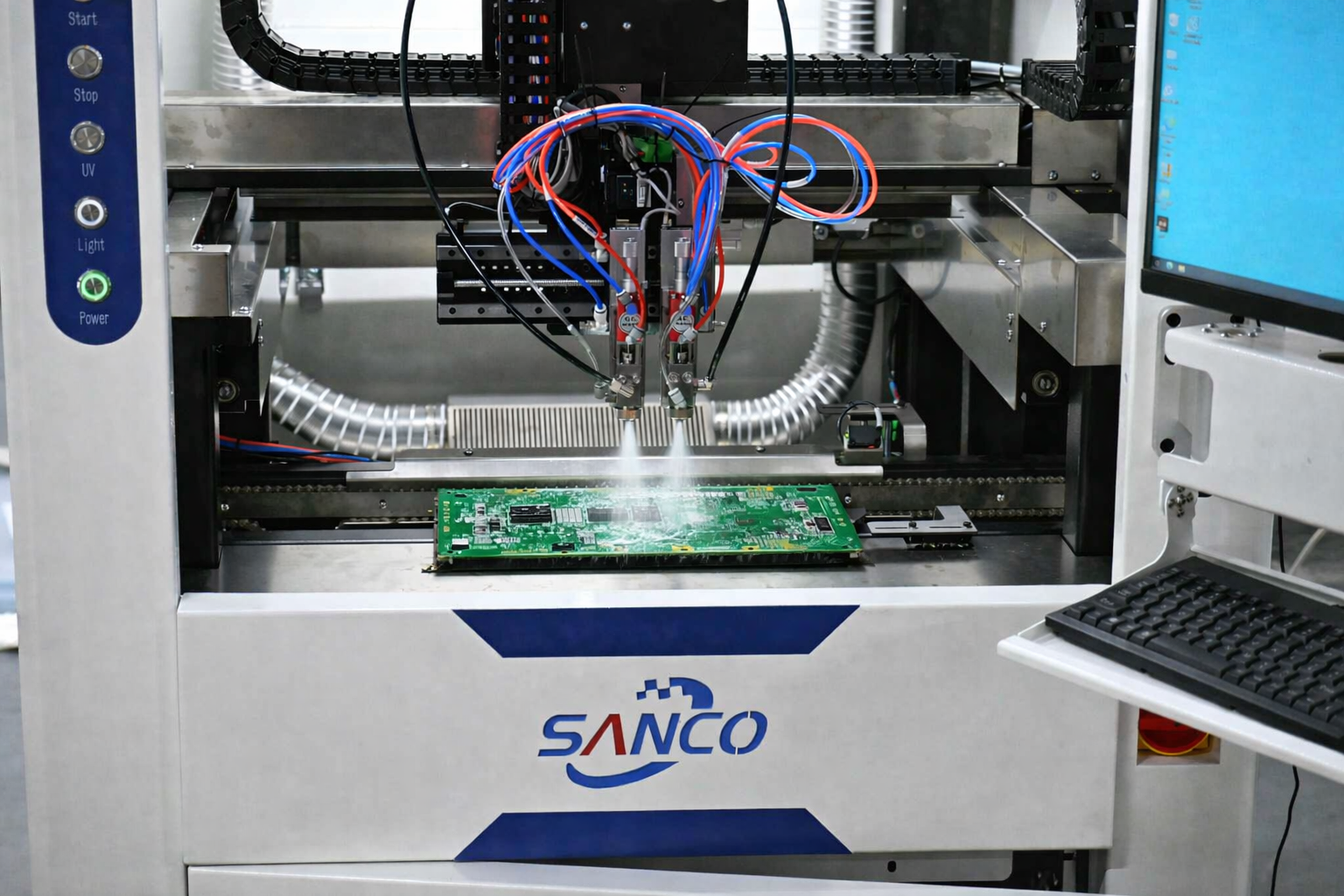
An automatic spray coating machine is one of the most widely used solutions in electronics manufacturing. It offers a practical balance between coating quality, efficiency, and equipment cost. Compared with manual spraying, it improves consistency, production speed, and control of process parameters.
For manufacturers moving from manual work into more standardized production, automatic coating is often the first major upgrade. It supports repeatable programmed motion, stable coating paths, and better output control. It also reduces direct dependence on operator technique.
For applications where full-line automation is needed, an automatic coating machine can provide more stable coating performance than manual methods, especially when boards need repeat production with controlled coating quality.
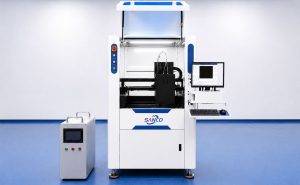
3. Selective Conformal Coating Machine
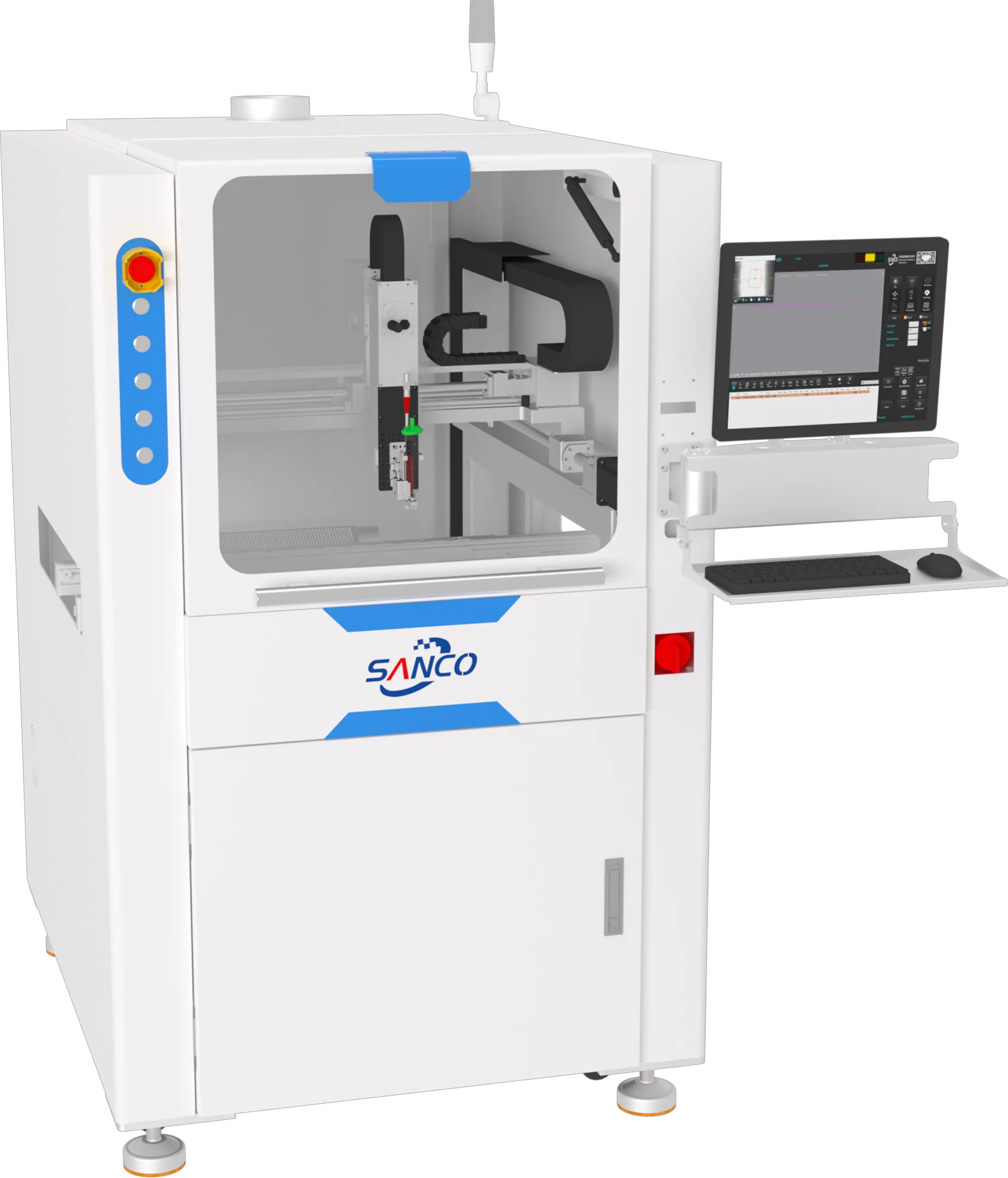
A selective conformal coating machine is designed for higher-precision coating applications. Instead of broadly covering the board, it applies coating in a more controlled way to the required areas while avoiding sensitive zones. This is especially important for complex PCBA designs where connectors, sockets, edge contacts, and test points must remain clean.
Selective coating provides excellent control over coating path, material placement, and edge definition. It reduces material waste, improves repeatability, and supports tighter quality requirements. In many advanced electronics manufacturing environments, this type of system is preferred when reliability and process stability are major priorities.
For manufacturers looking for stronger motion flexibility and higher coating control, a selective coating machine can be a better fit for boards with more complex geometries and stricter keep-out area requirements.
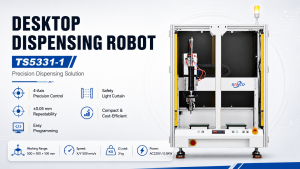
4. Desktop Coating Machine
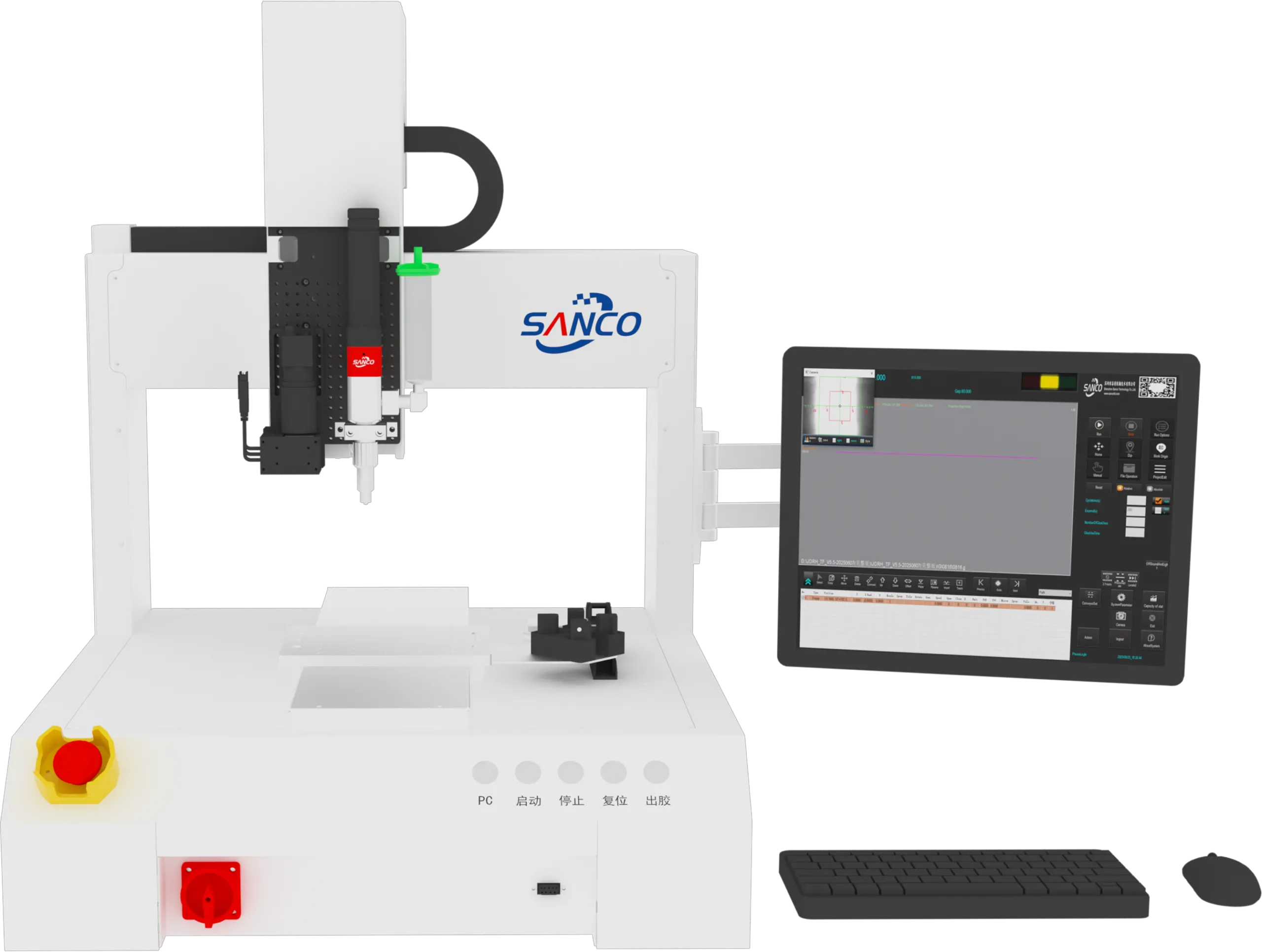
For smaller production environments, development centers, and flexible low-volume applications, a desktop coating solution can be a practical choice. It offers more process stability than manual coating while keeping the footprint and investment level relatively controlled.
A desktop coating machine is often suitable for laboratories, trial production, smaller batch jobs, and manufacturers who want an entry-level automated coating platform before expanding to larger systems.
5. Dip Coating
Dip coating is a more traditional method in which the PCB assembly is immersed into coating material. The equipment structure is simpler, but the process is much harder to control accurately for modern PCBA products. Problems such as bubbles, dripping, uneven build-up, and difficulty protecting local no-coat areas are common.
6. Brush Coating
Brush coating is usually limited to repair, touch-up, and isolated local work. Although the cost is very low, it is not suitable for stable repeat production because brush marks, uneven thickness, and operator-dependent results are hard to avoid.
Comparison of Common Conformal Coating Methods
| Method | Precyzja | Efficiency | Investment | Material Control | Best Use |
|---|---|---|---|---|---|
| Manual Spray Gun | Low | Low | Low | Weak | Samples, testing, repair |
| Automatic Spray Coating Machine | Medium to High | Wysoki | Medium | Good | Regular production, general PCBA coating |
| Selective Coating Machine | Very High | Wysoki | Wysoki | Excellent | Complex boards, higher-end production |
| Biurkowa maszyna do powlekania | Medium | Medium | Low to Medium | Good | Lab use, flexible low-volume coating |
| Dip Coating | Low | Medium | Low | Weak | Simple boards only |
| Brush Coating | Very Low | Very Low | Very Low | Weak | Touch-up and rework only |
How to Choose the Right Equipment Step by Step
Step 1: Define the Production Stage
If the job is mainly prototypes or sample boards, flexibility may matter more than full automation. If the production is becoming regular and repeatable, then consistency becomes more important. If the line is already mass production, output speed and stable quality control become essential.
Step 2: Review the Board Structure
Simple boards can often be handled by standard automated coating methods. Complex assemblies with more no-coat zones, dense components, and height differences need more precise coating paths and better valve control.
Step 3: Check the Coating Quality Target
If the requirement is only general protection with moderate tolerance, a standard automatic coating system may be enough. If the requirement includes very clean boundaries, low waste, and tight protection of keep-out areas, a selective process becomes more valuable.
Step 4: Match the Curing and Line Plan
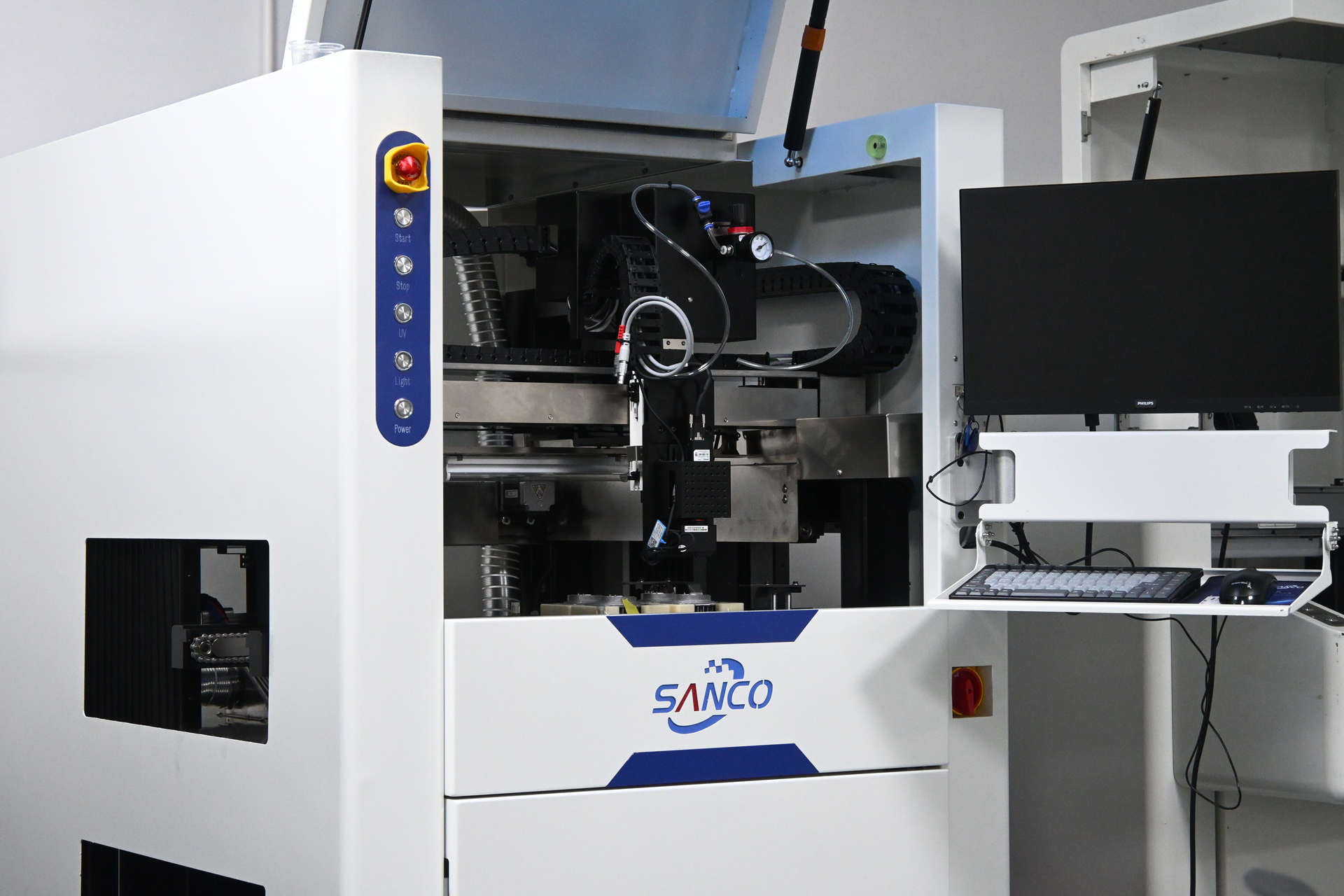
Coating is only one part of the process. Production planning should also consider the curing stage. Depending on material type and line structure, the coating machine may need to work together with an UV curing oven, thermal curing solution, or other matched drying equipment for complete process stability.
Step 5: Think Beyond the Coating Machine Alone
The final result also depends on the valve, pump, transfer control, and line integration. In many cases, coating quality is improved not only by changing the machine frame, but by selecting the right valve and process combination for the coating material and product structure.
Why Valve Selection Also Matters in Coating Quality
When manufacturers focus only on the machine body, they may overlook one of the most important parts of the coating process: the valve. In reality, coating consistency, spray pattern, transfer control, and edge cleanliness depend heavily on the valve type and how well it matches the coating material.
For example, some applications require wider and more even spray coverage, while others need more focused and controlled coating placement. The coating material itself may also behave differently depending on viscosity and application style. This is why matching the process with the proper valve is an important step in building a stable coating solution.
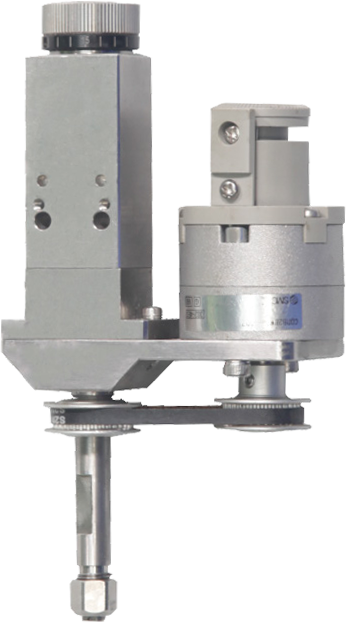
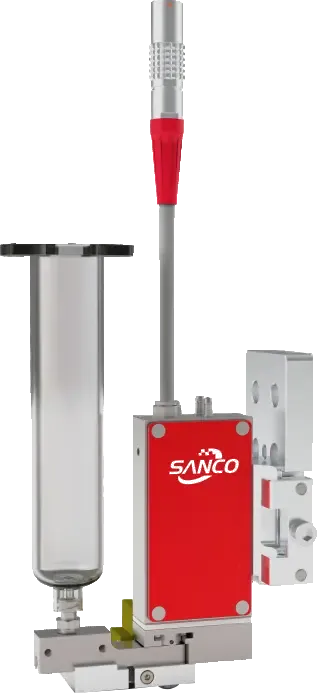
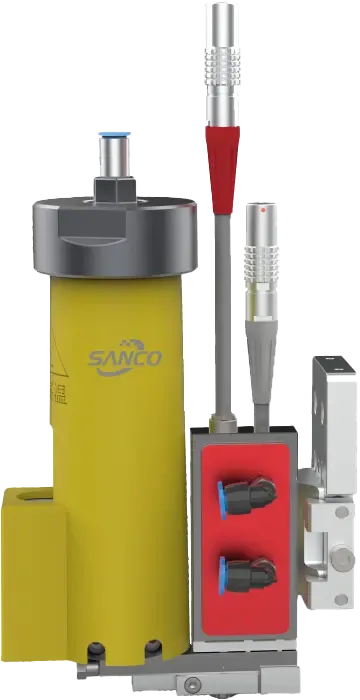
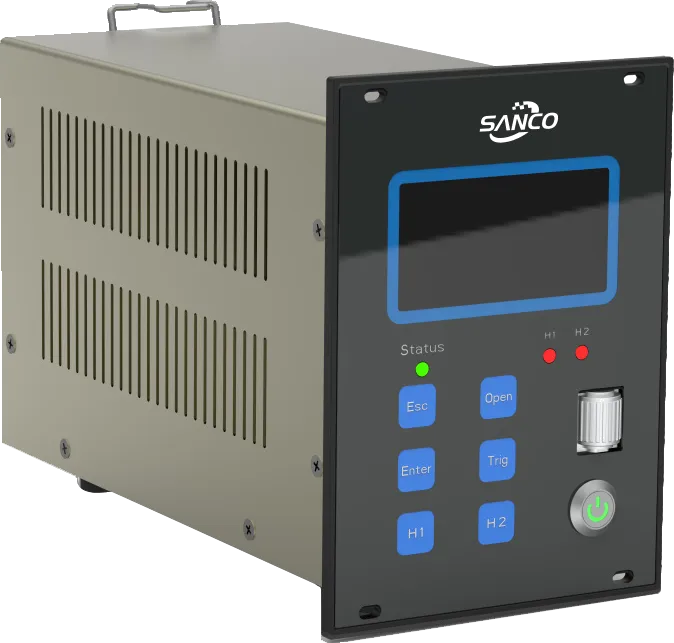
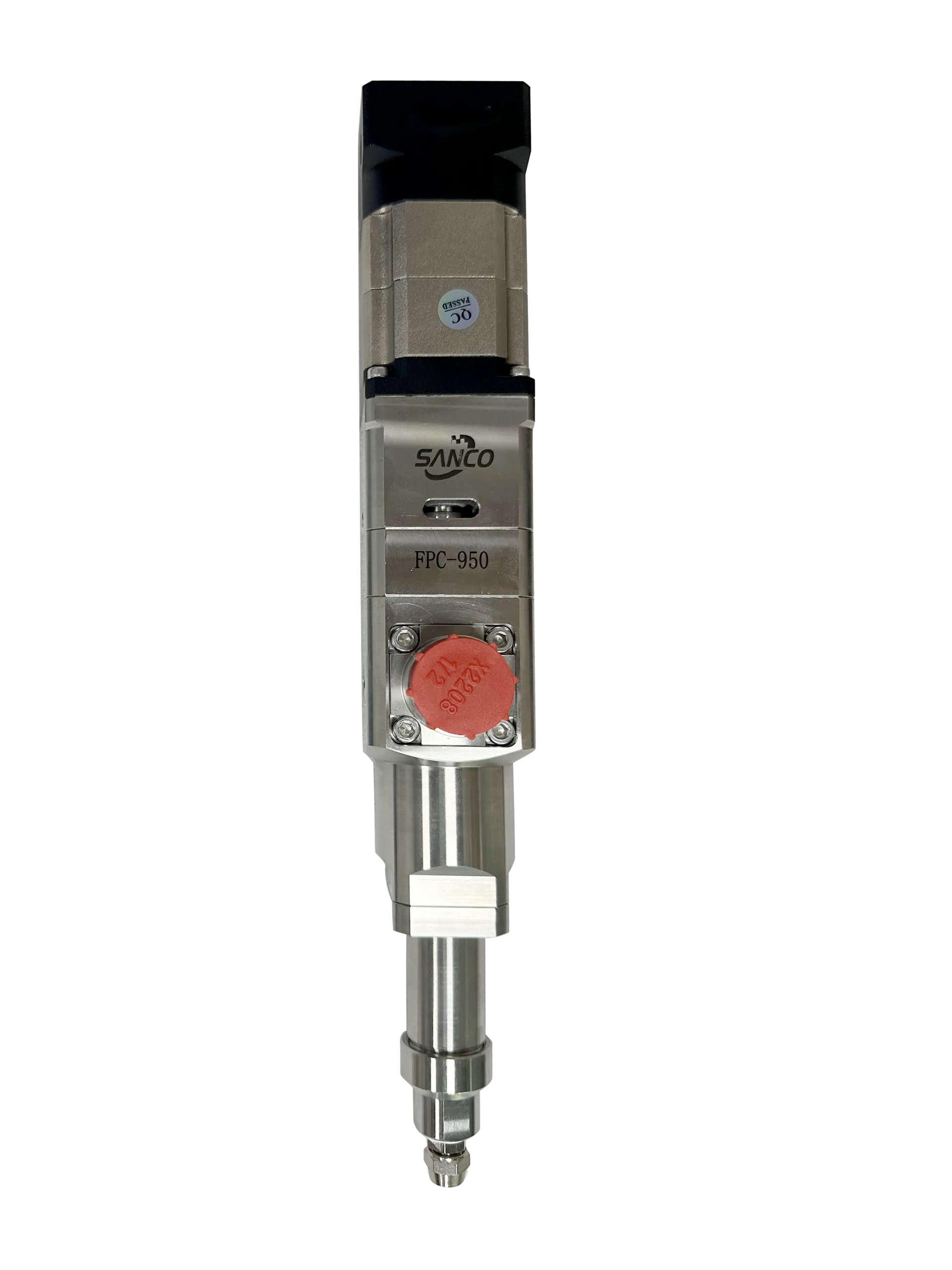
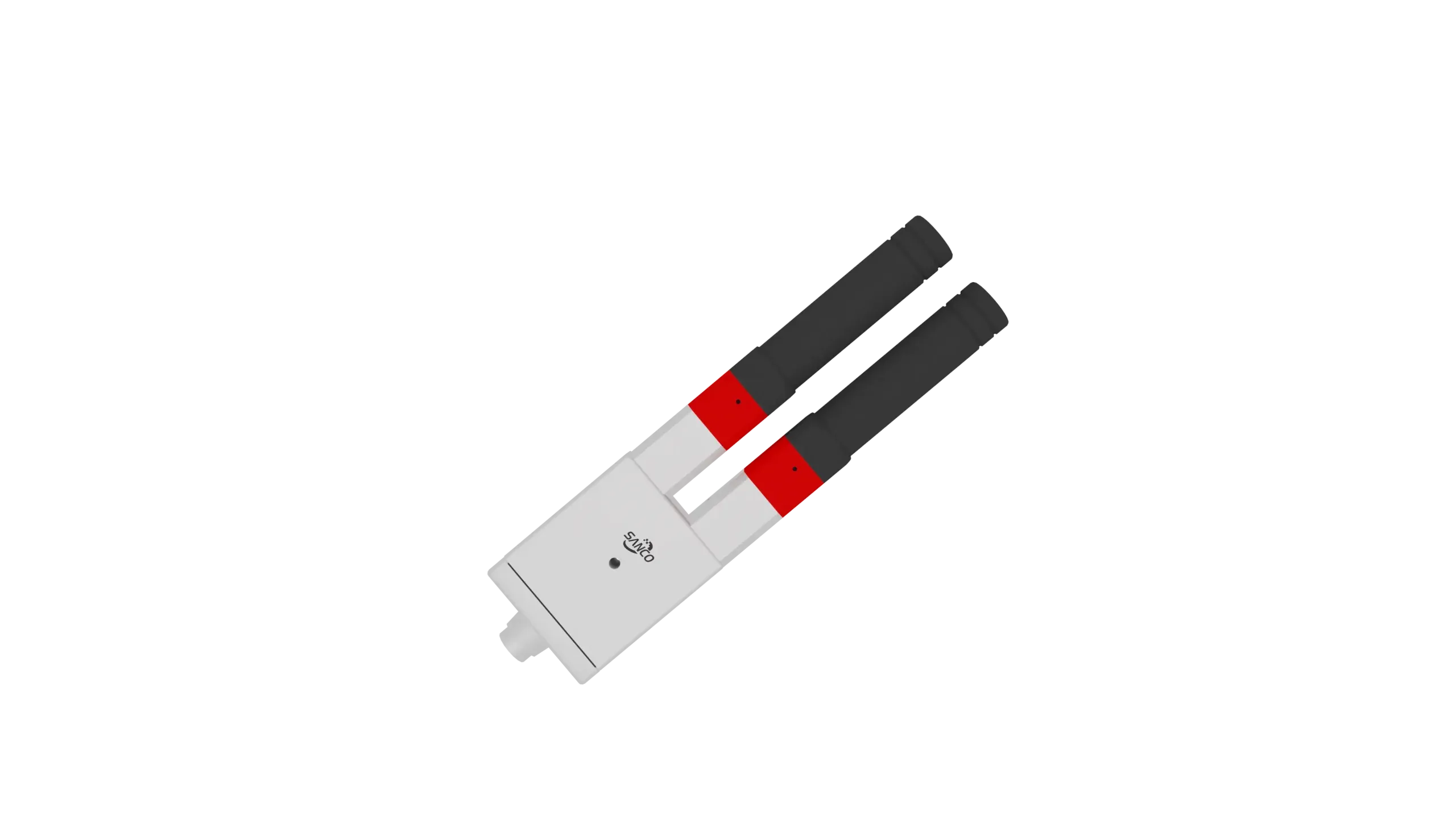
For customers with different spray and path requirements, SANCO also provides multiple coating valve options such as the film spray valve and other precision coating valve solutions to support different process targets more effectively.
What Advantages SANCO Coating Solutions Can Offer
For factories planning more stable automation, choosing the right conformal coating equipment for PCBA can improve coating consistency, reduce waste, and support higher process reliability over time. In real production, the best equipment supplier is not only one that provides a machine, but one that can support process matching and future production development.
SANCO coating solutions are designed around practical electronics manufacturing needs. Instead of treating all products as the same, the equipment range is built to support different production scales, board structures, and automation levels. This gives customers more flexibility when selecting a suitable process route.
- Coverage from compact desktop systems to larger automatic and selective coating solutions
- Flexible configuration for different board sizes and production targets
- Support for different coating materials and process needs
- Matching options for coating valves and curing equipment
- Better potential for line integration with conveyors and peripheral automation
- Focus on stable production, repeatability, and process efficiency
This type of product structure makes it easier for customers to start from the current production requirement and expand later without completely changing the process route. For manufacturers planning gradual automation upgrades, that flexibility can be a major advantage.
Looking at the Full Process: Coating, Dispensing, Potting, Curing, and Line Integration
In many electronics factories, conformal coating is not a completely isolated process. It may need to work together with dispensing, potting, curing, transfer, loading, unloading, and line buffer systems. Because of this, some customers prefer to evaluate not only the coating machine itself but also whether the supplier can support related process equipment.
For example, if the production line also includes fluid control applications before or after coating, a broader understanding of automation equipment becomes useful. SANCO provides not only coating systems but also dispensing machine solutions, potting equipment, curing ovens, and line peripherals, which can help customers build a more connected manufacturing process around actual production needs.
For customers handling encapsulation or filling processes in addition to coating, matching the line with an inline potting machine or related automation equipment may improve production continuity and reduce manual transfer between workstations.
Likewise, if a production line needs better product flow after coating, supporting equipment such as conveyors, loaders, unloaders, and buffer systems can make the full process more efficient and more stable.
Recommended Selection by Production Scenario
| Production Scenario | Recommended Direction | Reason |
|---|---|---|
| Prototype and engineering samples | Manual spray or desktop coating machine | Flexible and practical for non-repetitive low-volume jobs |
| Small regular production | Automatic spray coating machine | Improves consistency and efficiency without excessive investment |
| Medium-volume general PCBA manufacturing | Automatic coating machine with matched valve and curing process | Balanced control, speed, and process repeatability |
| High-value or complex PCB assemblies | Selective coating machine | Better control of no-coat areas and lower material waste |
| Production requiring more compact automation | Desktop coating machine | Useful for flexible installations and controlled entry-level automation |
| Repair and local rework | Brush coating or manual spray | Suitable only for limited corrective work |
Other Important Factors Beyond the Machine Frame
Even the right machine will not deliver ideal coating results if the surrounding process is not well controlled. Manufacturers should also consider coating material viscosity and stability, valve matching and spray pattern control, board holding and transport consistency, curing method and curing capacity, ventilation and safety conditions, programming flexibility for product changes, and maintenance access for long-term operating stability.
These factors are often what separate a machine that can run from a process that can run well every day. In other words, the best coating equipment choice is usually the one that supports stable production as a full system, not only as a standalone unit.
For manufacturers working with higher reliability requirements, it is also useful to review inspection expectations and coating process references through IPC when evaluating long-term equipment selection.
Final Recommendation
If the goal is to move from manual coating into more stable and efficient production, an automatic spray coating machine is usually the most practical starting point. It offers a strong balance between cost, quality improvement, and operating efficiency. For many manufacturers, this is the most realistic path toward better coating consistency.
If the boards are more complex, the no-coat areas are more critical, and the production target demands stronger quality control, then a selective coating machine is the better long-term choice. It offers higher accuracy, lower material waste, and better process repeatability, especially for higher-value electronics manufacturing.
For smaller operations, development work, and flexible low-volume applications, a desktop coating machine may provide a very useful middle ground between manual work and full-scale automation.
In short, choosing the right conformal coating equipment means matching the machine to the board, the material, the process standard, and the production plan. When this match is done correctly, coating becomes a stable, efficient, and value-adding part of PCBA manufacturing rather than just a protective finishing step.
SANCO supports this selection process with coating machines, valves, curing systems, and related automation equipment designed for practical electronics manufacturing needs. The real advantage is not only offering one product, but helping customers build a more suitable process path based on production scale, board complexity, and long-term process goals.