

Conformal coating is widely used to protect PCB assemblies from moisture, dust, salt spray, chemicals, and thermal stress.
However, the final coating performance does not depend only on the coating material itself.
The construction environment, especially temperature and humidity, directly affects coating uniformity, adhesion, curing quality, and long-term reliability.
In many PCBA coating applications, common defects such as whitening, bubbles, pinholes, peeling, poor adhesion, and incomplete curing are closely related to uncontrolled environmental conditions.
For manufacturers using a Coating Machine or a full Selective Coating Machine line, stable temperature and humidity control is an important part of process quality management.
Why Environment Control Matters in Conformal Coating
The main function of conformal coating is to form a thin protective layer on the PCB surface.
This layer must be continuous, well-adhered, and properly cured. If the environment is unstable during spraying, dispensing, brushing, dipping, or curing, the coating film may not achieve the expected protection performance.
Temperature affects coating viscosity, flow behavior, solvent evaporation speed, and curing reaction rate.
Humidity affects moisture absorption, surface condensation, adhesion, whitening, and electrochemical corrosion risk.
Therefore, environmental control is not an optional detail, but a key process requirement in professional PCBA coating production.
Recommended Temperature Range for Conformal Coating
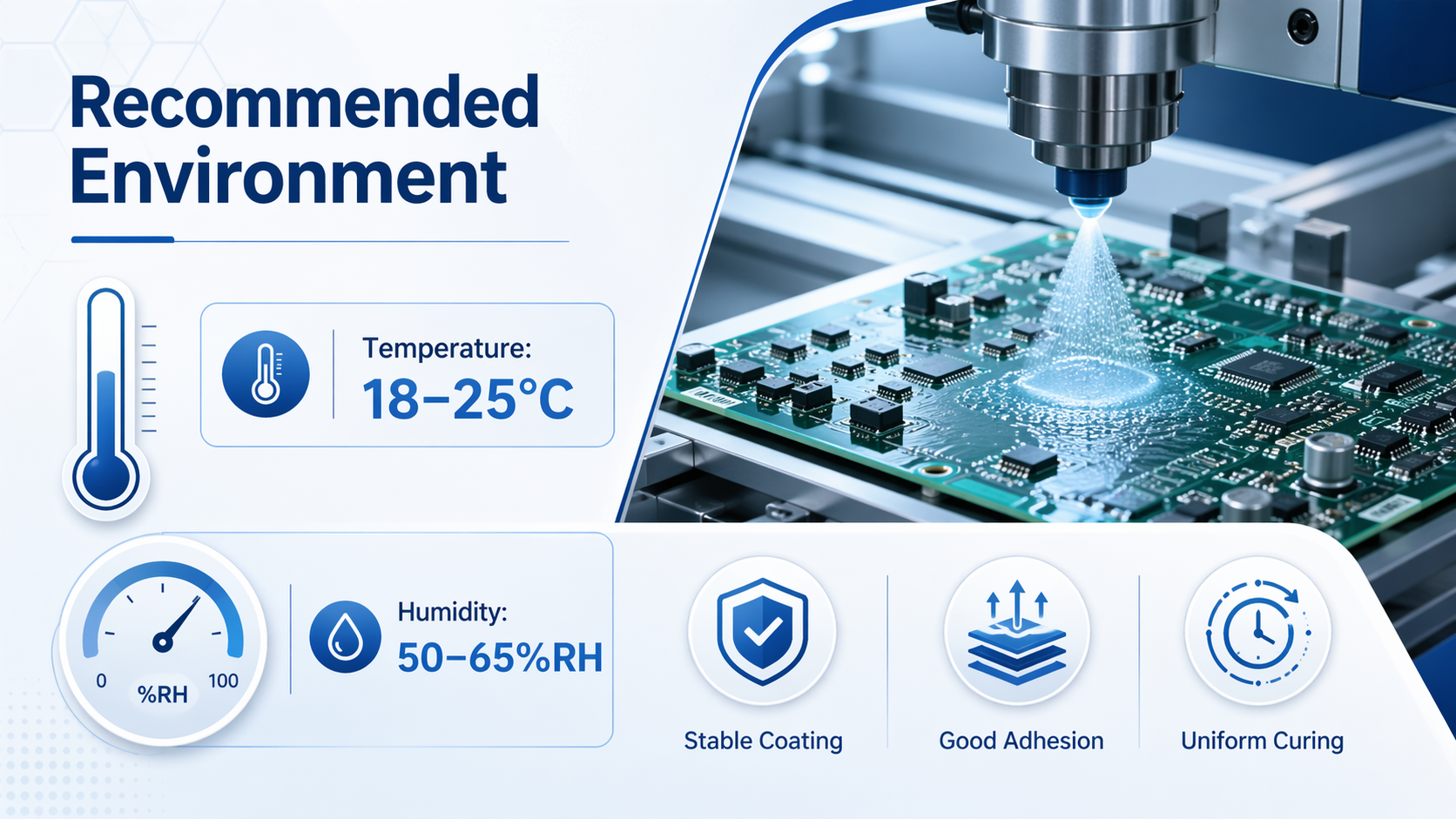
For most solvent-based conformal coatings, acrylic coatings, polyurethane coatings, and many common protective coating materials, the recommended application temperature is usually between 15°C and 28°C.
In many production environments, the ideal operating range is around 18°C to 25°C.
| Temperature Condition | Possible Impact on Coating | Common Defects |
|---|---|---|
| Below 15°C | Higher viscosity, poor flow, slower curing | Uneven coating, brush marks, incomplete coverage, slow drying |
| 18°C–25°C | Stable viscosity and good application condition | Better film uniformity and adhesion |
| Above 30°C | Solvent evaporates too quickly; surface dries before inner solvent escapes | Bubbles, pinholes, orange peel, poor adhesion |
What Happens When Temperature Is Too Low?
When the application temperature is too low, the coating material becomes more viscous.
Poor flowability can make the coating film uneven and difficult to spread across the PCB surface.
In manual processes, brush marks may become obvious. In automatic spraying or selective coating, the coating width, edge definition, and film thickness may become unstable.
Low temperature can also slow down solvent evaporation and curing reaction.
As a result, the coating may remain tacky for a long time, which increases the risk of dust contamination, handling marks, and unstable final performance.
What Happens When Temperature Is Too High?
When the temperature is too high, solvent evaporation becomes too fast.
The coating surface may dry rapidly and form a skin while the solvent inside the coating layer has not fully escaped.
This often leads to bubbles, pinholes, orange peel texture, or internal stress inside the coating film.
In addition, excessively high temperature may reduce wetting and adhesion on some PCB surfaces, especially when flux residues, dust, or moisture already exist on the board.
For stable production, the coating area should be equipped with air conditioning or a controlled temperature system.
Humidity Control Requirements for Conformal Coating
Humidity is one of the most sensitive factors in conformal coating applications.
In general, the recommended relative humidity range is around 40%RH to 70%RH.
Many manufacturers prefer to control the production environment between 50%RH and 65%RH.
Some coating materials may require the humidity to remain below 75%RH.
| Humidity Condition | Process Risk | Possible Coating Defects |
|---|---|---|
| Below 35%–40%RH | Static electricity risk increases; some curing reactions may be affected | Dust attraction, brittle film, cracking risk |
| 50%–65%RH | Recommended stable production range for many applications | Good coating stability and process repeatability |
| Above 75%RH | Moisture may mix into coating material or condense on PCB surface | Whitening, poor adhesion, delamination, corrosion risk |
High Humidity: The Main Cause of Whitening and Poor Adhesion
High humidity is one of the most common causes of conformal coating whitening.
When water vapor in the air enters the coating material or attaches to the PCB surface, the coating film may become cloudy or milky after application.
This phenomenon is often called whitening or blushing.
High humidity can also reduce adhesion between the coating and PCB surface.
In severe cases, the coating may peel, crack, or delaminate after curing.
Even if the coating looks acceptable at first, hidden moisture can increase the long-term risk of electrochemical corrosion, especially in high-voltage, high-density, or outdoor electronics applications.
Low Humidity: Static Electricity and Dust Contamination
Very low humidity can also create problems.
When the air is too dry, static electricity becomes easier to generate.
This can attract dust particles to the PCB surface before or during coating.
Dust contamination may cause coating voids, uneven film thickness, or local insulation failure.
Some coating materials may also become more brittle under very dry conditions, leading to stress concentration and cracking during thermal cycling.
Therefore, humidity should not only be kept below the maximum limit, but also maintained within a stable process window.
Common Coating Defects Caused by Poor Environment Control
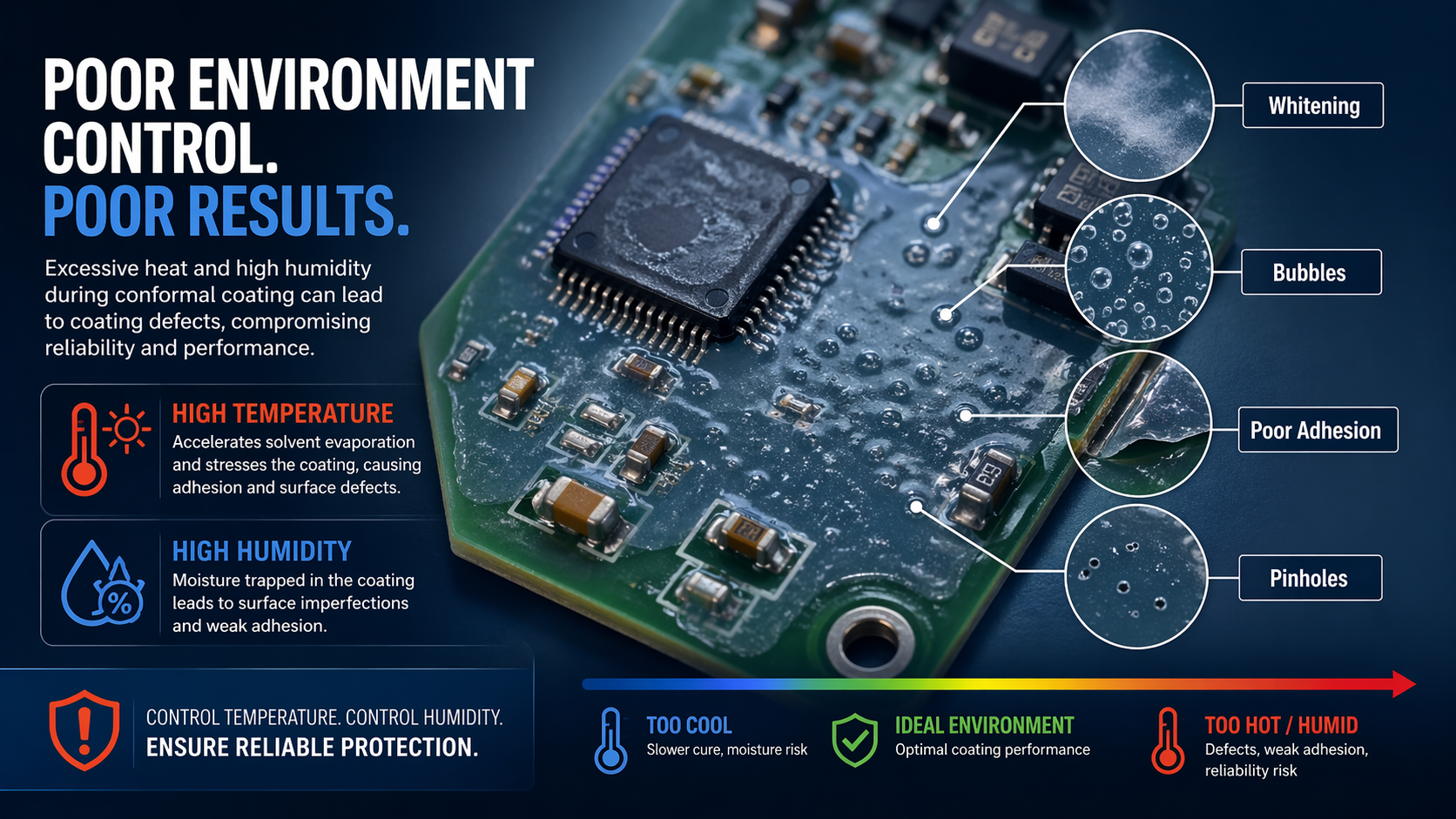
| Defect | Possible Environmental Cause | Recommended Action |
|---|---|---|
| Whitening / Blushing | High humidity, moisture on PCB surface, fast solvent evaporation | Reduce humidity, precondition PCB, check drying process |
| Bubbles | High temperature, fast surface drying, trapped solvent | Lower application temperature, adjust spraying parameters, extend flash-off time |
| Pinholes | Solvent trapped inside coating, contamination, poor wetting | Clean PCB surface, optimize coating thickness, improve curing profile |
| Poor Adhesion | Moisture, dust, flux residues, unsuitable temperature | Improve cleaning, control humidity, verify coating material compatibility |
| Incomplete Curing | Low temperature, poor ventilation, insufficient curing time | Use proper curing equipment and follow material TDS requirements |
Practical Environment Control Tips for PCB Coating Production
1. Precondition PCB Boards Before Coating
Before coating, PCB assemblies should be placed in the same temperature and humidity environment for at least several hours.
For high-reliability applications, many manufacturers prefer to precondition boards for up to 24 hours.
This helps avoid condensation caused by temperature differences between the PCB and the production environment.
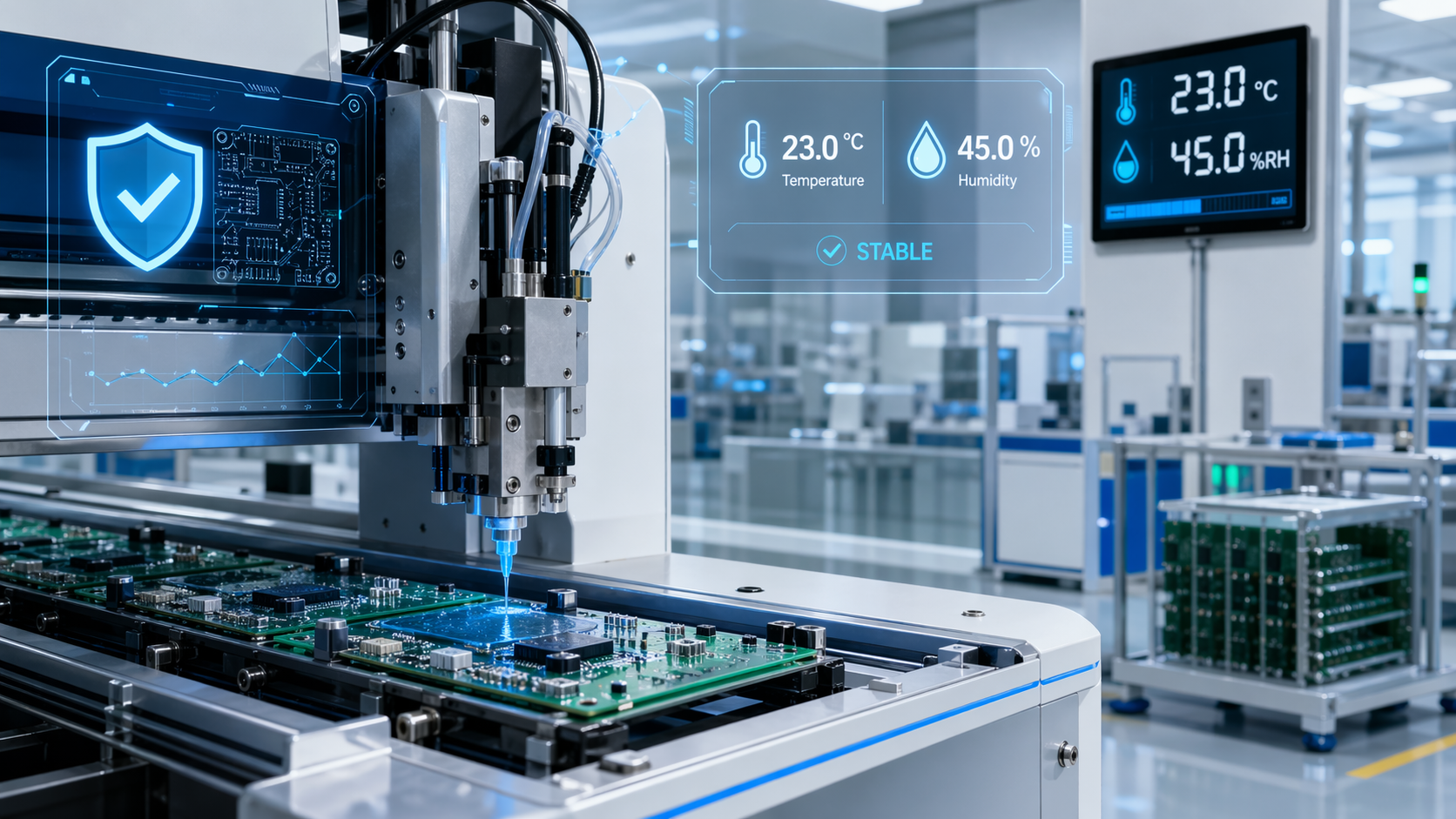
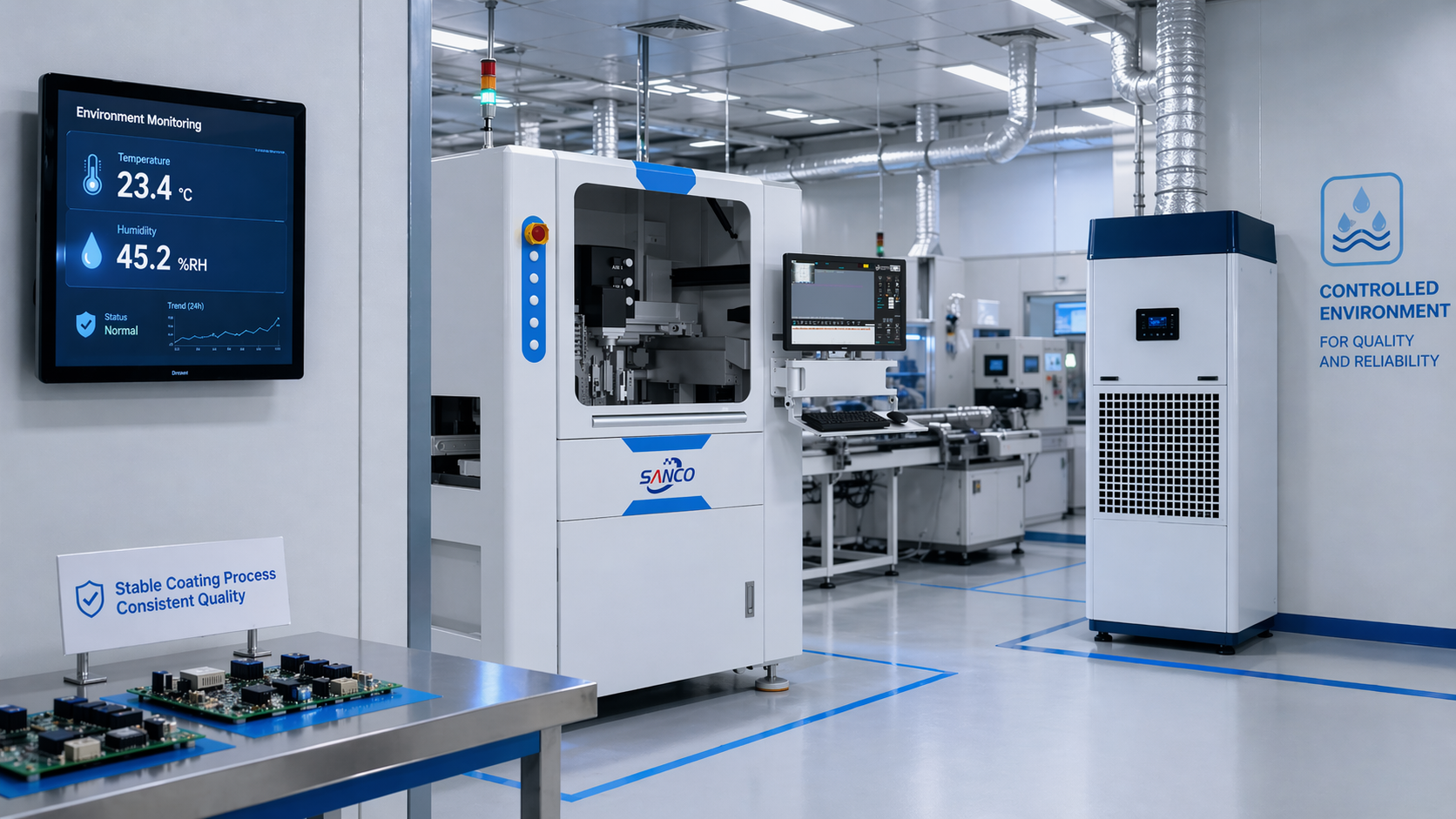
2. Use Temperature and Humidity Monitoring
A simple thermometer is not enough for a professional coating process.
It is recommended to install temperature and humidity recorders in the coating area.
For automated production lines, a connected monitoring system can record real-time data and trigger alarms when the environment exceeds the allowed process window.
3. Avoid Coating During Unstable Weather Conditions
In regions with rainy seasons or high humidity, coating defects are more likely to appear if the workshop is not properly controlled.
Avoid rushing production in a damp environment, especially after air conditioning has been turned off or when large doors are frequently opened.
If production cannot be stopped, industrial dehumidifiers and air conditioning systems should be used together to stabilize the coating area.
4. Follow the Technical Data Sheet of Each Coating Material
Different conformal coating materials have different environmental requirements.
Acrylic, polyurethane, silicone, epoxy, and UV-curable coatings may have different application temperature, humidity, flash-off time, and curing conditions.
Always check the supplier’s TDS before setting the process parameters.
How Equipment Helps Improve Environmental Stability
Manual coating is more sensitive to operator variation and environmental fluctuation.
For manufacturers requiring stable film thickness, repeatable coating paths, and controlled curing, automatic equipment can significantly improve process consistency.
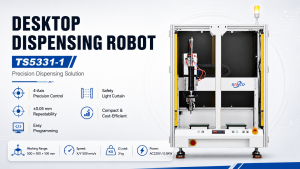
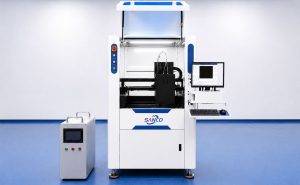
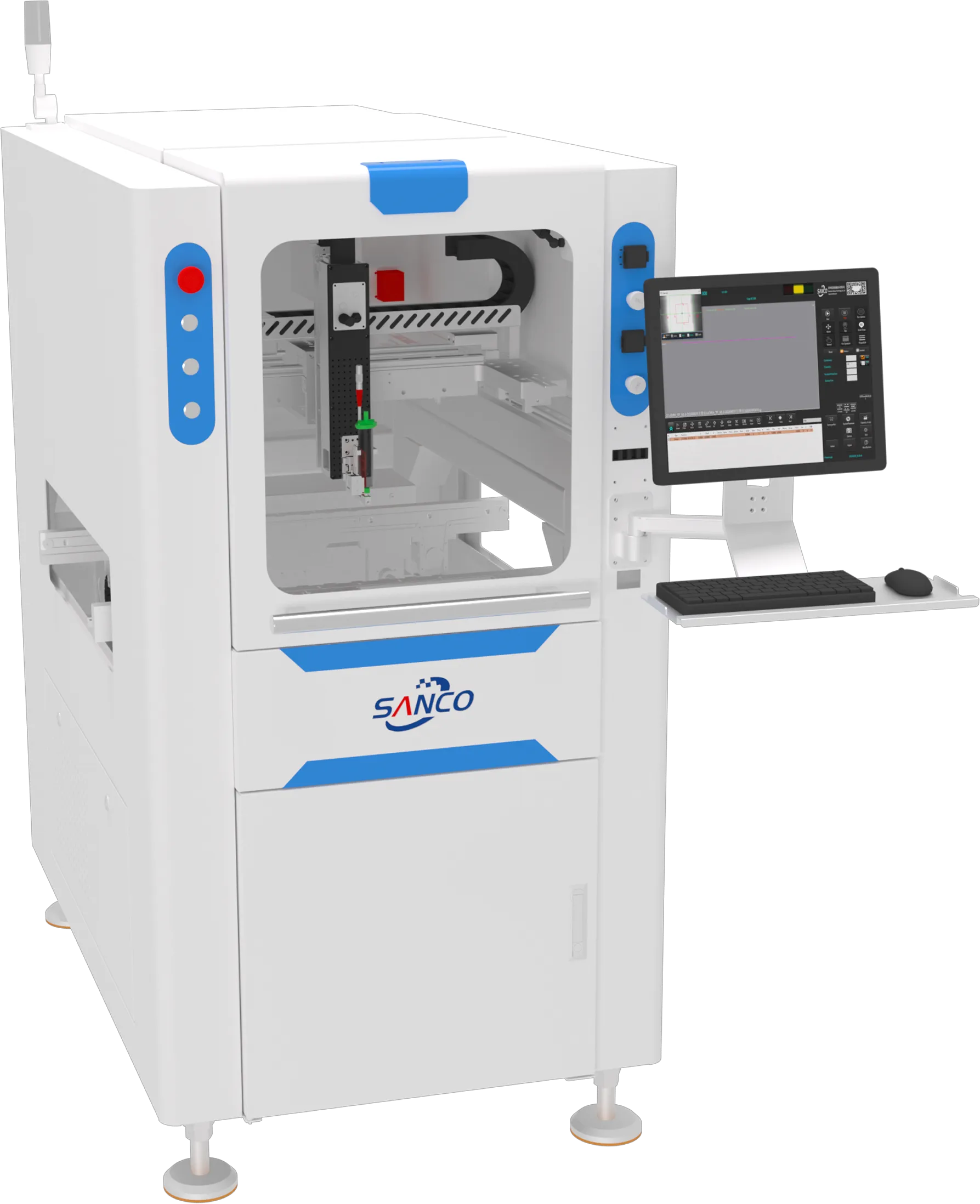
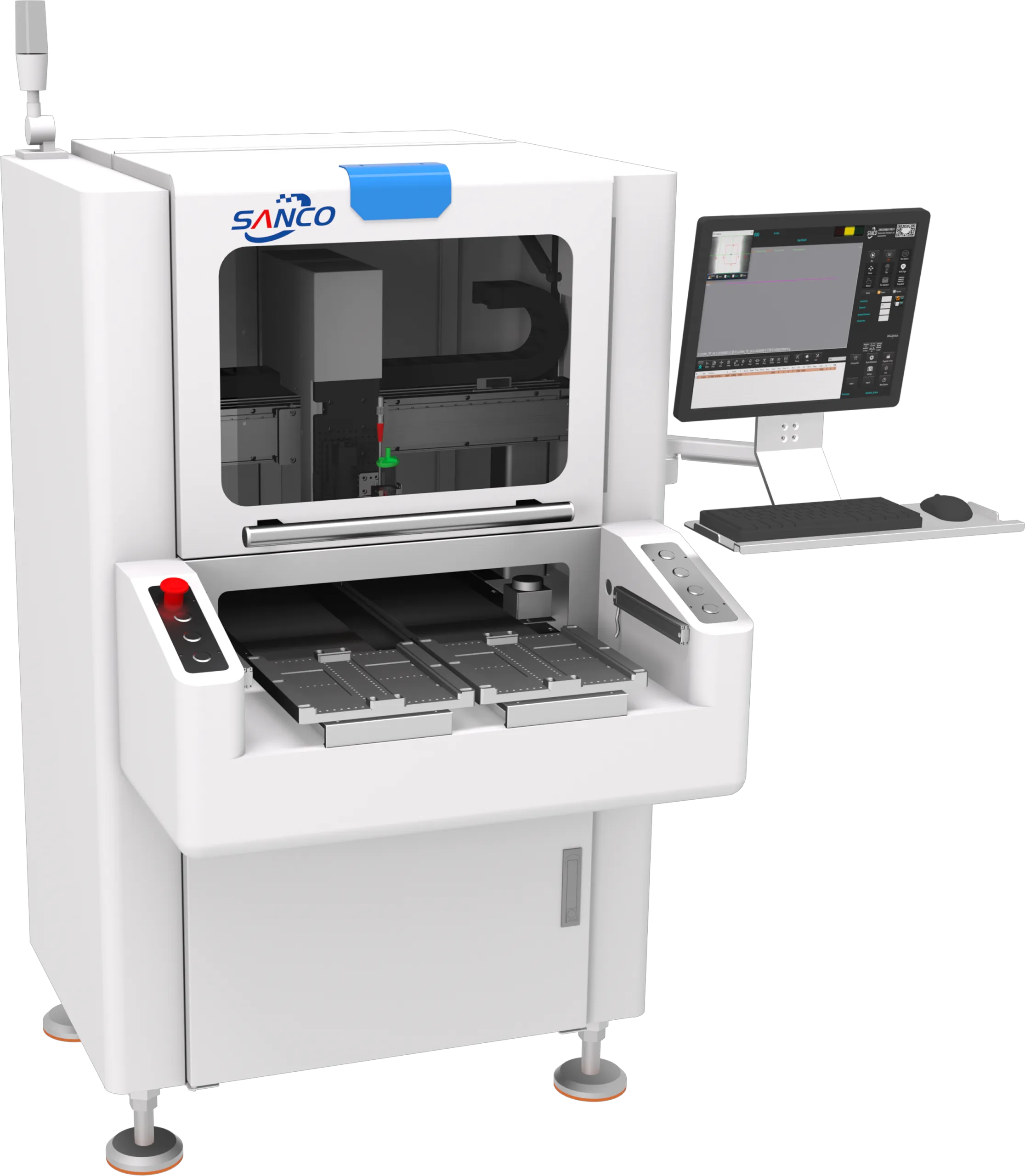
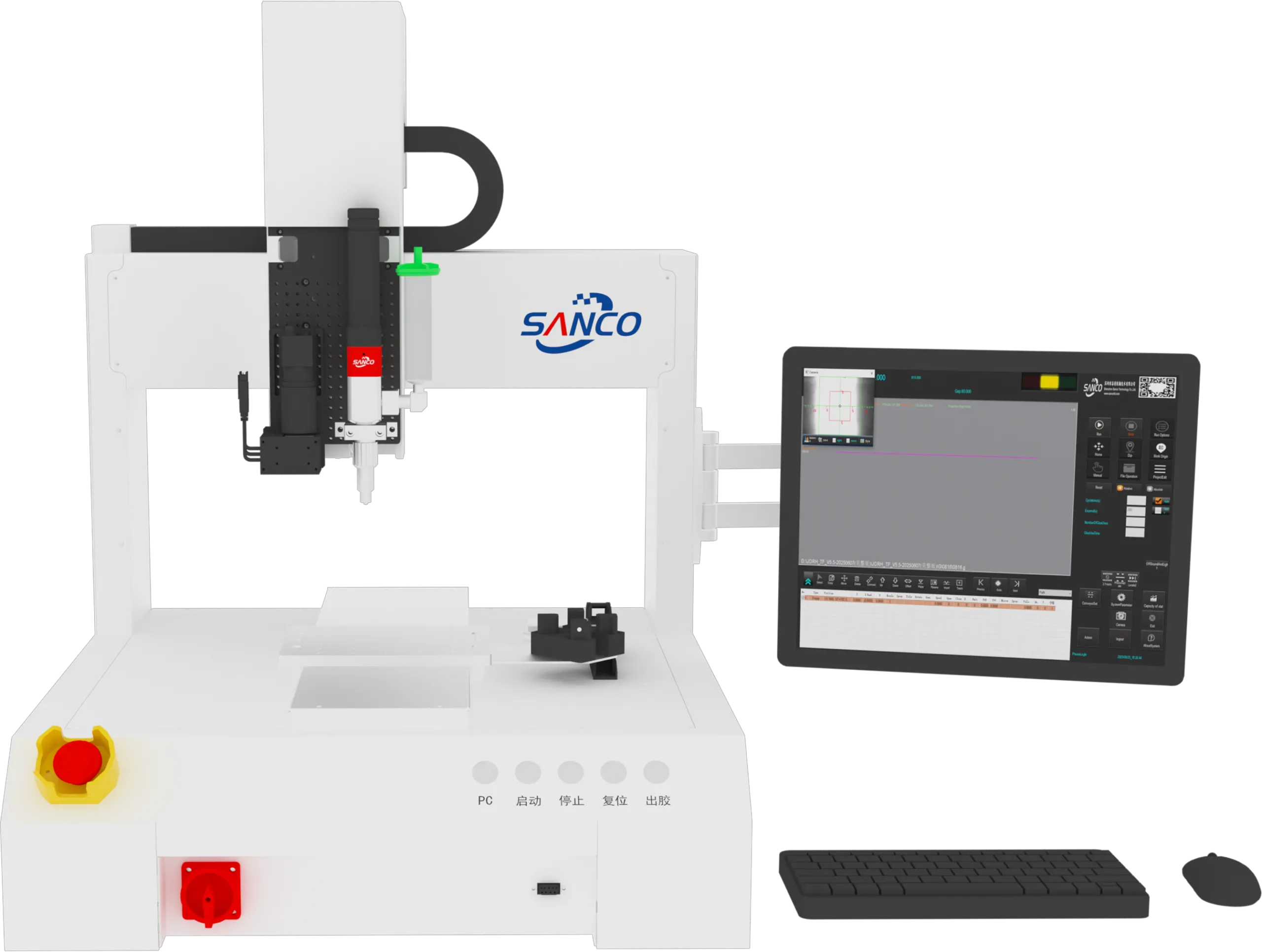
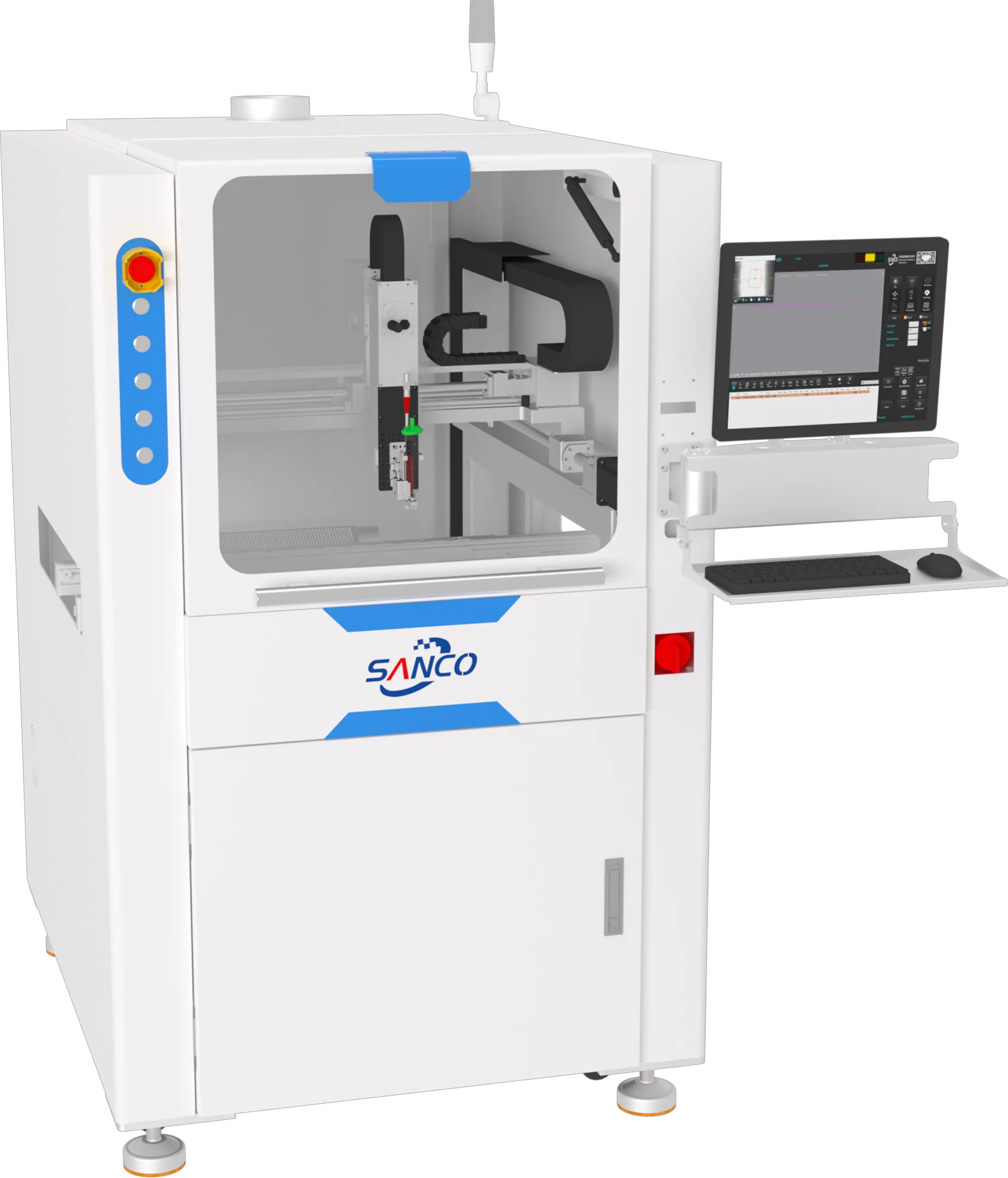
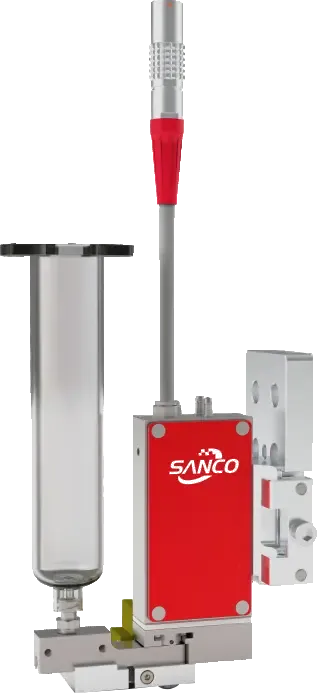
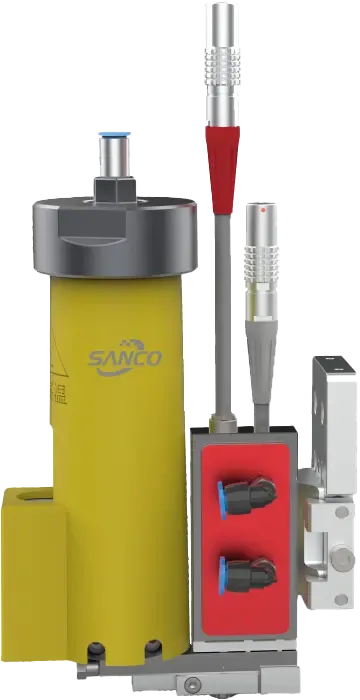
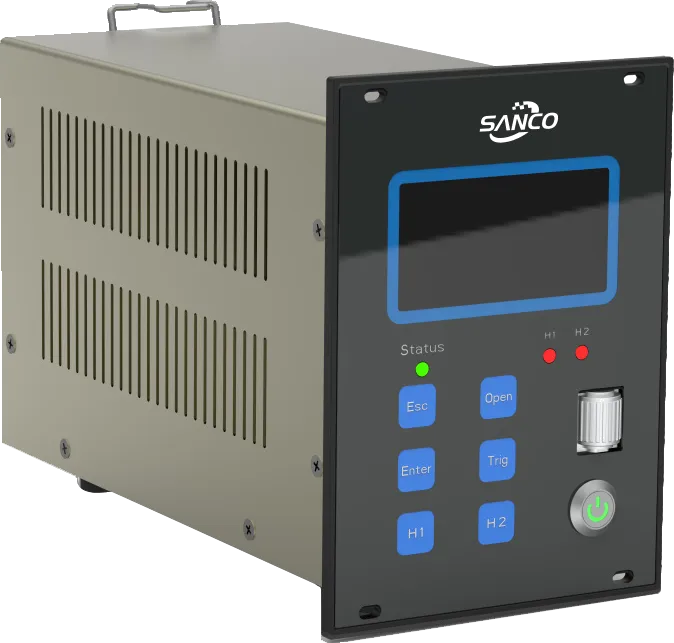
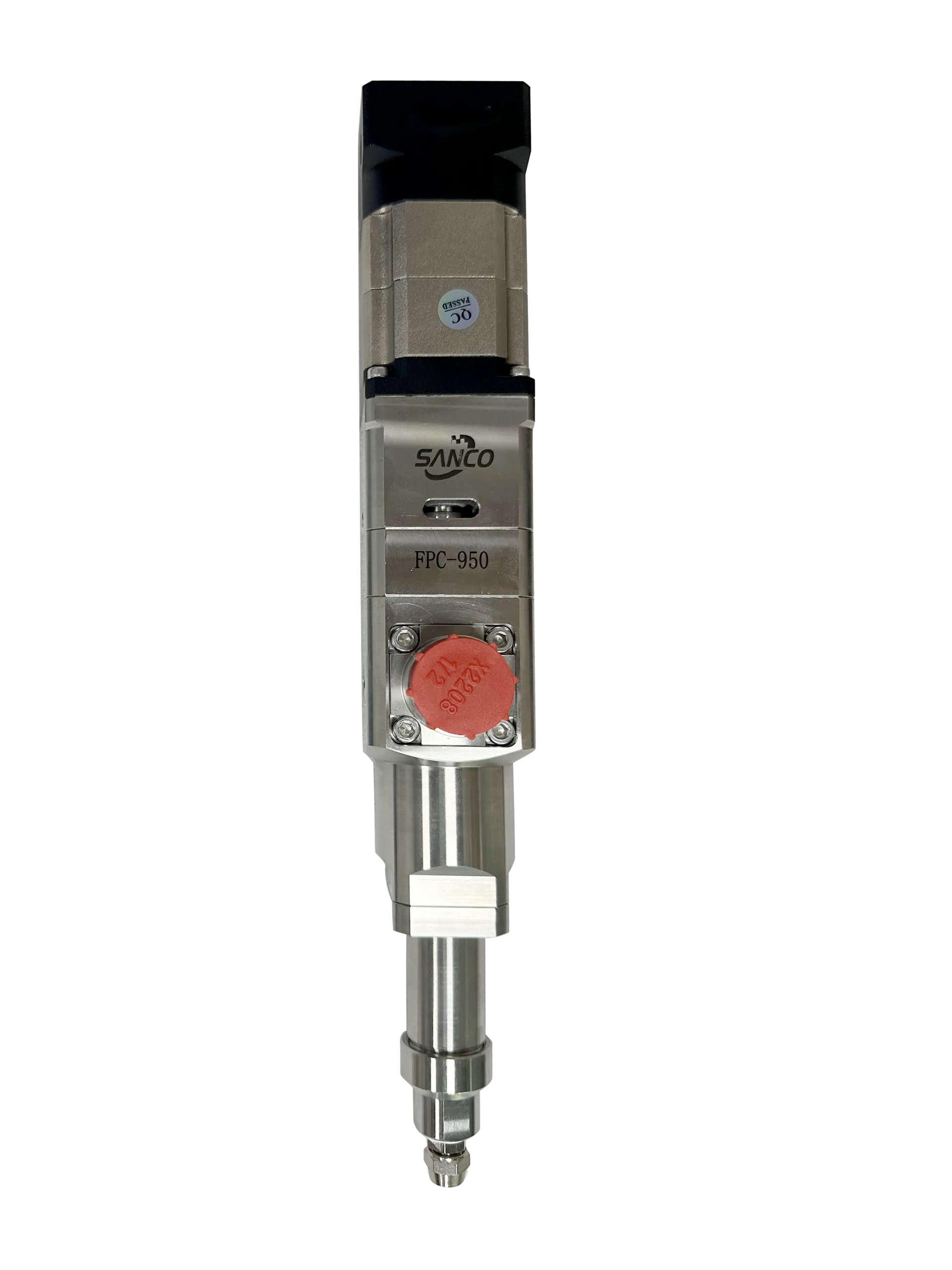
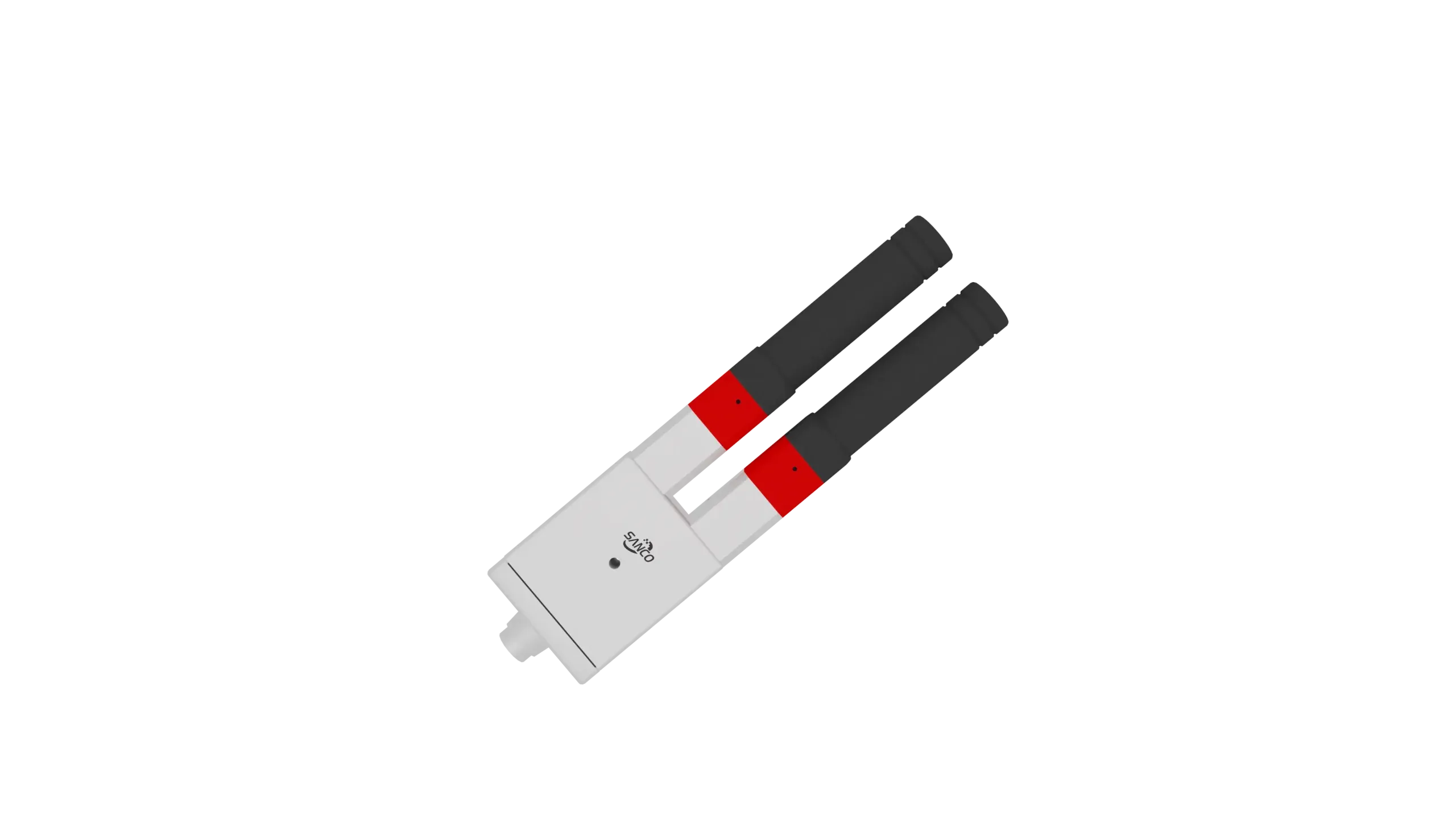
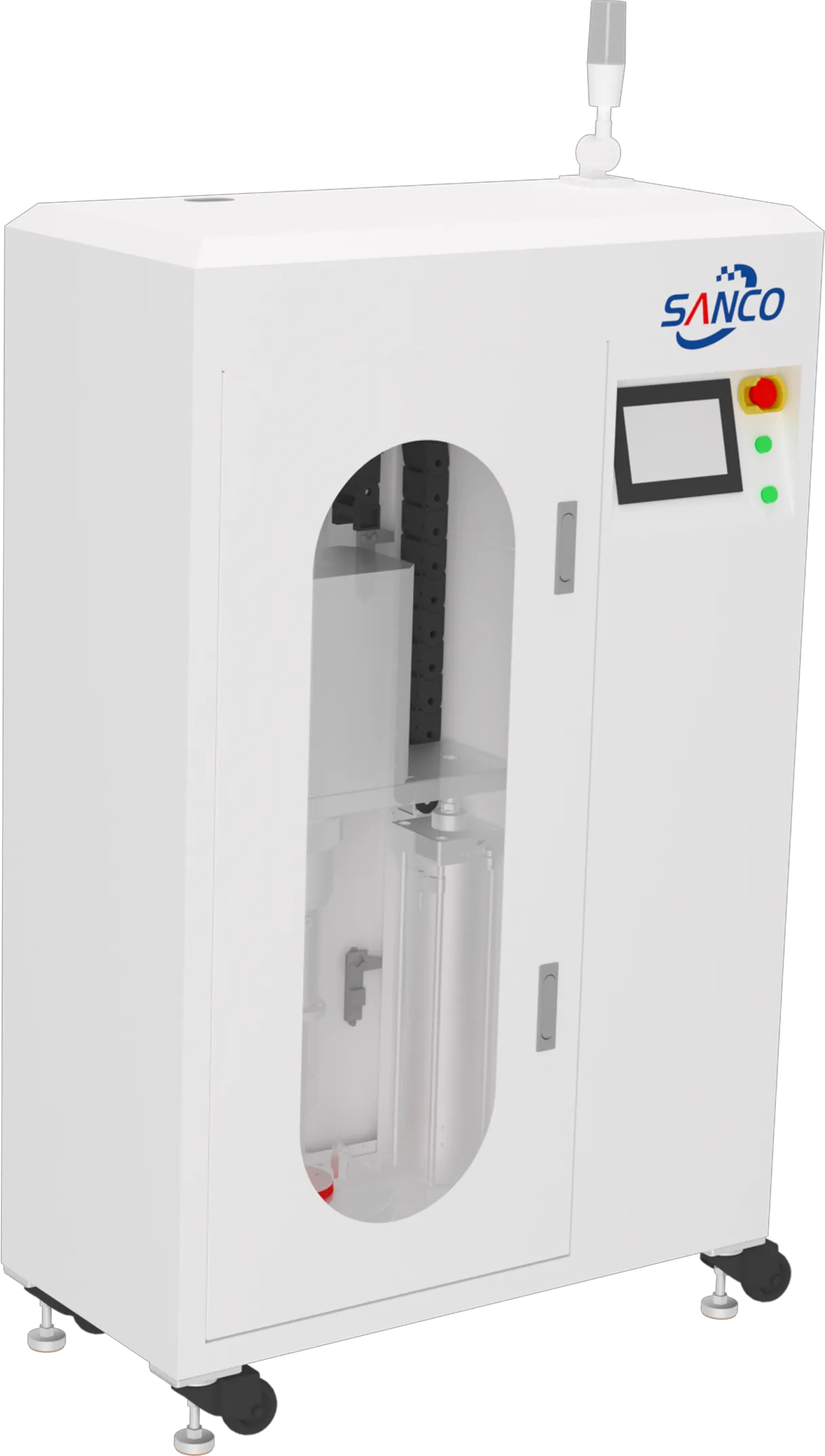
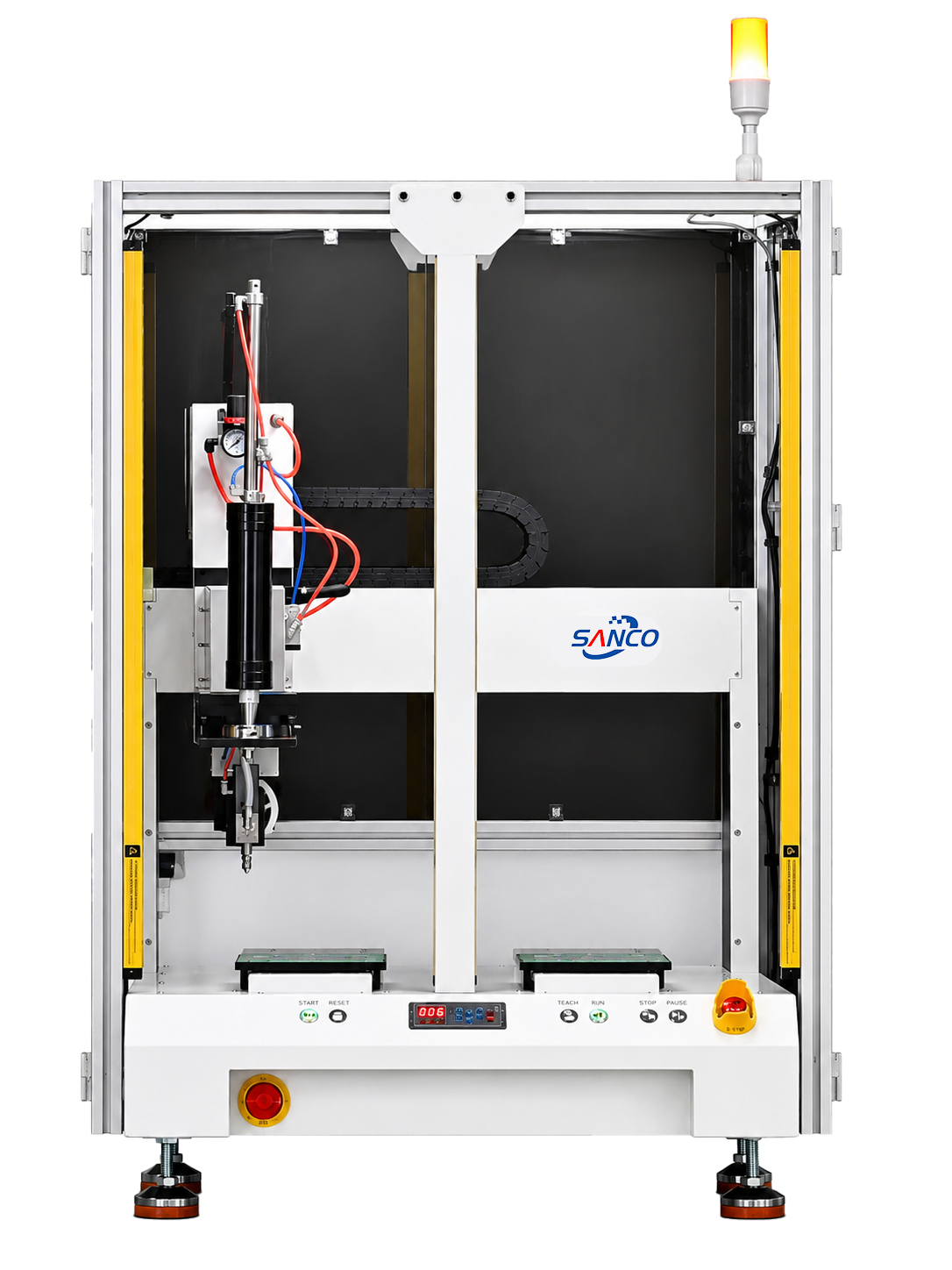
SANCO provides different types of conformal coating machines, four-axis selective coating machines, desktop coating machines, coating valves, and curing solutions for PCBA protection applications.
In a complete coating process, the coating machine controls the spraying or dispensing path, while curing equipment such as a UV-uithardende oven or IR curing system helps improve curing stability.
For selective application, suitable Kleppen coaten also play an important role in coating width, edge accuracy, and material control.
Recommended Process Window for Conformal Coating
| Parameter | Recommended Range | Control Purpose |
|---|---|---|
| Temperature | 18°C–25°C preferred | Maintain stable viscosity, flow, and curing reaction |
| Relative Humidity | 50%–65%RH preferred | Reduce whitening, condensation, and adhesion failure |
| PCB Surface Condition | Clean, dry, and preconditioned | Improve adhesion and reduce contamination defects |
| Ventilation | Stable and controlled airflow | Support solvent evaporation and operator safety |
| Curing Condition | According to coating material TDS | Ensure complete curing and long-term protection |
Conclusion
Temperature and humidity control are critical to conformal coating quality.
If the temperature is too low, the coating may become thick, uneven, and slow to cure.
If the temperature is too high, the coating may dry too quickly and create bubbles, pinholes, or poor adhesion.
If humidity is too high, whitening, delamination, and corrosion risks increase significantly.
For reliable PCBA protection, manufacturers should control the coating environment, precondition PCB assemblies, monitor temperature and humidity, and follow the technical requirements of the coating material.
When combined with a stable Coating Machine, suitable Kleppen coaten, and proper curing equipment, environmental control can greatly improve coating consistency and reduce production defects.
SANCO provides professional conformal coating, dispensing, curing, and automation solutions for electronics manufacturing.
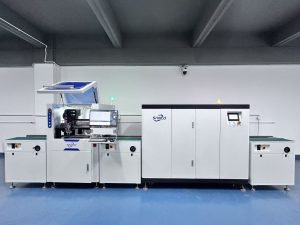
From standalone machines to complete inline coating lines, SANCO helps customers build more stable, efficient, and reliable PCBA protection processes.